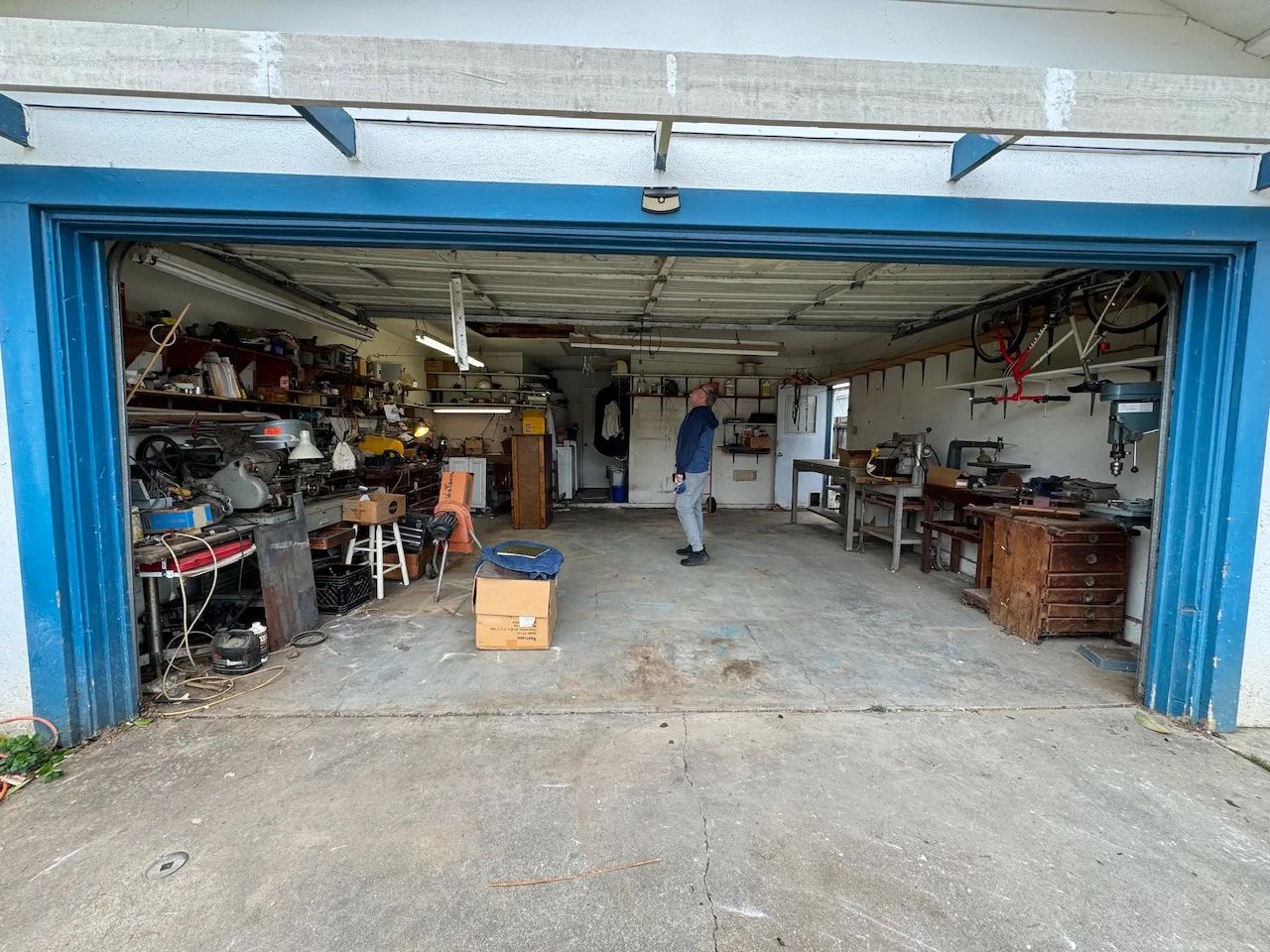
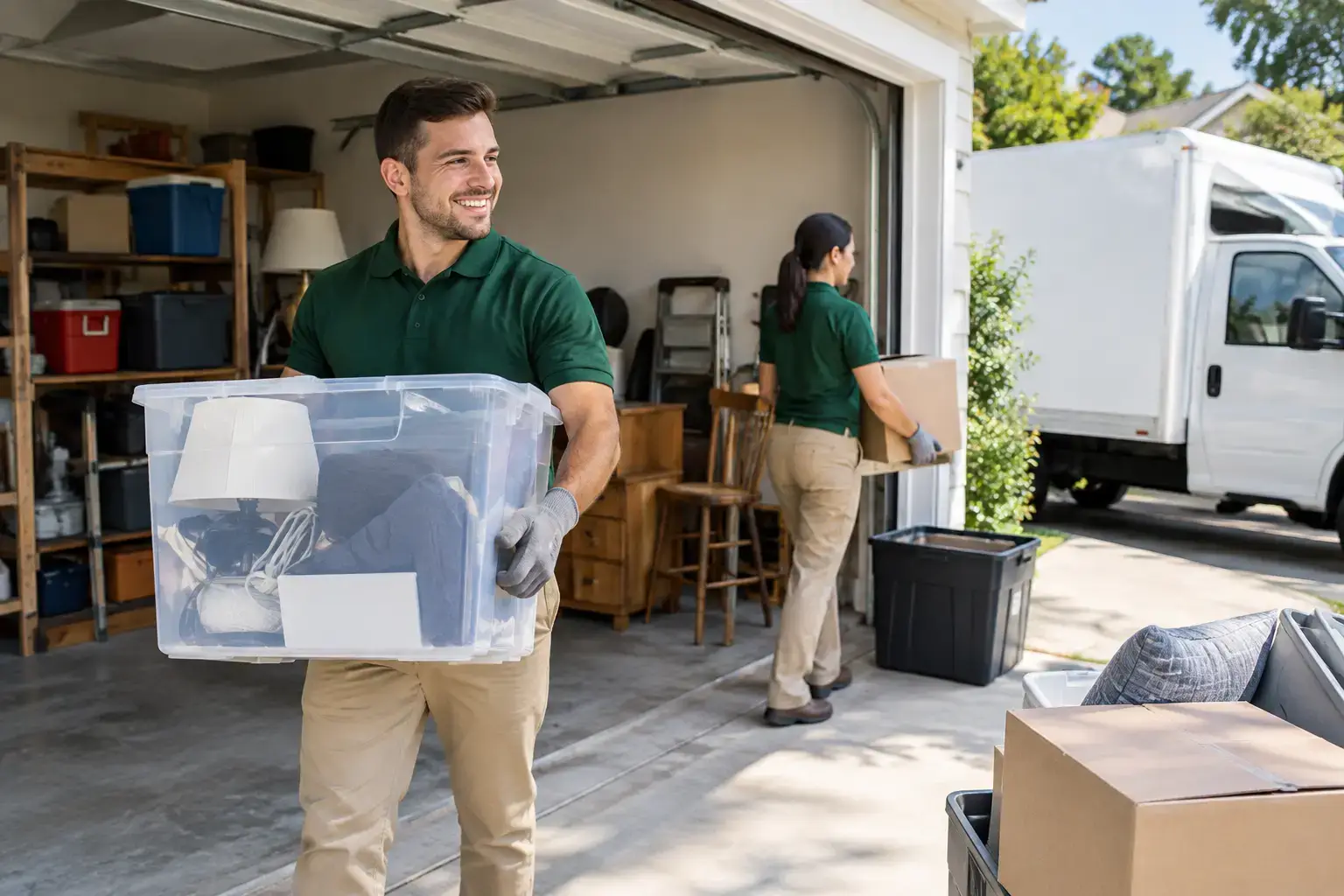
A garage cleanout usually starts with one box and turns into a hard look at everything you have avoided dealing with for years. Old paint cans, broken patio furniture, mystery cords, moving boxes, worn-out mattresses, and half-finished projects can take over fast. These best garage cleanout tips will help you clear the space with a real plan, avoid backtracking, and know when it makes more sense to bring in a full-service hauling crew.
1. Set a finish line before you pull anything out
Do not start by emptying the entire garage onto the driveway without a goal. Decide what the garage needs to do when the job is finished. Maybe you need room for two cars, a workbench, seasonal storage, or a rental turnover inspection. A clear end use makes decisions easier when you reach that box of items you might use someday.
Set a realistic time limit, too. A one-car garage with ordinary household clutter may be a Saturday project. A packed two-car garage, estate property, or rental cleanout can take longer than expected, especially when large furniture or appliances are involved. If you need the space cleared before a move, sale, renovation, or tenant turnover, prioritize getting bulky items out first.
2. Start with the easy, obvious junk
Build momentum by removing items that have no real decision attached to them. Broken chairs, empty boxes, rusted tools you will not repair, damaged shelving, and outdated packaging can go right into the removal pile. Do not spend the first hour debating a cracked plastic bin.
The fastest way to stall a cleanout is to inspect every item as if it belongs in a museum. Save detailed sorting for the smaller categories later. First, make enough open floor space to work safely and see what is actually in the garage.
3. Create four sorting zones
Use four clearly marked areas: keep, donate, recycle, and remove. Painter’s tape, cardboard signs, or empty tarps work well. Keep the zones close enough that you are not carrying heavy items across the entire driveway, but far enough apart that piles do not blend together.
This system is one of the best garage cleanout tips because it prevents a common problem: putting everything into a single “deal with it later” pile. If an item is usable but no longer useful to your household, place it in donate. If it is damaged, beyond repair, or simply takes up space, place it in remove.
Be honest about what belongs in the keep pile. A good rule is that stored items should be usable, seasonally needed, or genuinely difficult to replace. If you have not used it in years and cannot name a specific reason to keep it, it is probably clutter.
4. Sort by category, not by where an item is sitting
Once the obvious junk is out, work in categories. Gather all sports gear together, then all tools, holiday decorations, automotive supplies, gardening equipment, and storage bins. You will spot duplicates quickly when similar items are in one place.
This also helps prevent accidental overbuying later. Many homeowners discover three extension cords, two leaf blowers, or several boxes of unopened hardware once they sort properly. Keep the best version, donate usable extras, and remove anything broken or obsolete.
Small items can wait until the end. Start with the large pieces that control the space: old couches, mattresses, cabinets, exercise equipment, appliances, shelving, and piles of construction debris. Removing those first gives you room to make smarter decisions about everything else.
5. Make a plan for heavy lifting before moving it
Garages are full of items that look manageable until they are halfway down a driveway. Refrigerators, freezers, cast-iron equipment, water heaters, bulky furniture, and loaded cabinets can cause injuries or property damage when one person tries to muscle through the job.
Do not drag heavy items over finished floors, lift awkward pieces alone, or stack unstable materials in a truck bed. Use gloves, closed-toe shoes, and a clear path to the exit. If something is too heavy, too large, or too dirty to move safely, leave it where it is until help arrives.
A professional junk removal crew handles the lifting, loading, hauling, and sweep-up. That can be the better value when your time is limited, you have stairs or tight access, or the garage contains a large volume of mixed debris.
6. Keep hazardous materials separate
Not everything in a garage belongs in regular trash or a standard junk pickup. Set aside materials that need special handling, including chemicals, motor oil, gasoline, propane tanks, pesticides, herbicides, batteries, fluorescent bulbs, and wet paint.
Never mix unknown liquids together or place leaking containers in your vehicle. Keep labels visible, store containers upright, and contact your local household hazardous waste program for disposal guidance. This step protects your property, the people doing the cleanup, and the environment.
For regular non-hazardous items, responsible disposal still matters. Usable furniture, appliances, household goods, and metal can often be donated or recycled instead of sent straight to a landfill. That is especially helpful during larger Sacramento-area garage cleanouts where one truckload may include materials with several possible disposal paths.
7. Do not let donations become a new storage pile
Donation is a great option for clean, usable items, but only if they are actually ready to leave. Box them, bag them, or set them aside near the door with a deadline. If a donation center will not accept an item because of condition, size, or hygiene concerns, move it to the removal pile instead of keeping it around for another six months.
Avoid donating damaged upholstered furniture, heavily worn mattresses, broken appliances, or incomplete items that cannot realistically be used. Good intentions do not make unusable stuff more useful. A cleanout works when items leave the property.
8. Load your vehicle only if the disposal trip makes sense
A few bags, small boxes, or light recyclable materials may be worth handling yourself. But multiple dump runs can eat up an entire weekend once you factor in loading, unloading, disposal fees, fuel, and time in line. A pickup truck is not always the cheapest option when the load includes furniture, appliances, yard waste, or construction material.
It depends on the volume and the type of debris. If you have one manageable load and know where every item can go, self-hauling can work. If you have a mixed garage full of bulky junk, hiring removal service often keeps the job faster and more predictable.
9. Ask for upfront, volume-based pricing
Before booking junk removal, understand how the company prices a garage cleanout. Volume-based pricing is straightforward for mixed loads because you pay based on how much space your items take up in the truck, with labor included. Ask for an on-site quote before work begins so you can approve the price with no guesswork.
Take a few photos of the garage beforehand if you are calling for an estimate. Mention large or unusually heavy items, tight driveways, stairs, sheds, or anything that may affect access. Clear information helps the crew arrive prepared and keeps the appointment moving.
Sac Junk provides full-service removal for non-hazardous garage clutter across Sacramento and nearby communities, so homeowners and property managers do not have to handle the lifting or make repeated disposal trips.
10. Clean before you organize
Do not rush to buy new shelves, bins, and wall hooks while the garage is still full. Once the junk is gone, sweep out dust, cobwebs, leaves, and loose debris. Check for signs of pests, moisture, damaged drywall, or oil stains that were hidden behind stored items.
Then organize only what earned its place in the garage. Put frequently used items at eye level, store seasonal items higher up, and keep heavy tools low. Leave a clear walking path and avoid blocking electrical panels, water heaters, or access to vehicles.
11. Use the one-in, one-out rule afterward
The cleanout is the hard part. Keeping the garage usable takes a simple rule: when a new large item comes in, an old item should leave. This works for bikes, yard tools, storage bins, sports gear, and home improvement supplies.
Schedule a quick 15-minute check every few months. Throw out empty boxes, return misplaced items, and remove broken gear before it becomes another major cleanup. Small maintenance is much easier than another all-day garage overhaul.
12. Know when to stop sorting and get it cleared
There is a point where more sorting does not create more value. If the garage is packed with old tenant belongings, estate items, renovation debris, or years of accumulated household junk, focus on the space you need back. Keep personal documents, valuables, and sentimental items, then let the rest move out.
A clean, open garage gives you usable square footage again. Whether you reclaim a parking spot, prepare a property for new tenants, or finally make room for a workbench, the next step is simple: choose a day, clear a path, and get the load moving.