An overflowing dumpster enclosure is more than an eyesore behind a building. Clear dumpster enclosure overflow fast, and you can prevent blocked access, tenant complaints, pest activity, fire concerns, and a mess that keeps growing after every pickup day. For property managers, business owners, and landlords, the goal is not just getting the trash out of sight. It is getting the area back under control without adding more work to an already busy day.
A full-service junk removal crew can handle the loose debris, bulky items, and illegal dumping that regular trash service will not take. That means no asking maintenance staff to wrestle mattresses, broken furniture, cardboard piles, or construction scraps into a bin that is already full.
Why Dumpster Enclosure Overflow Gets Worse Quickly
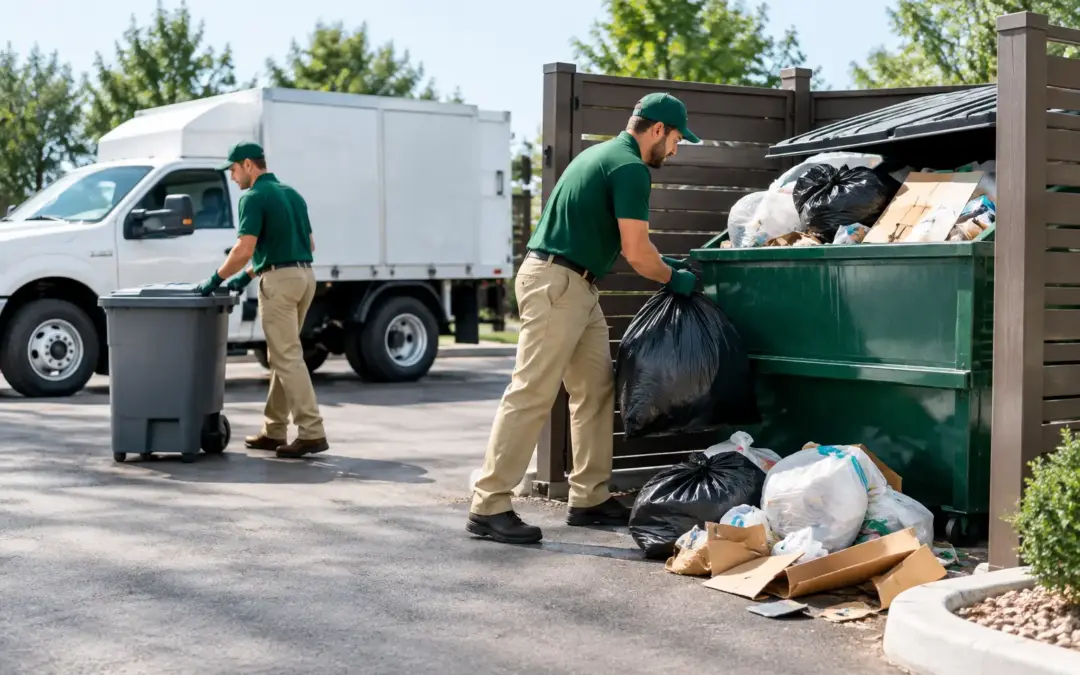
Dumpster areas tend to attract more material once overflow starts. A tenant sees a pile beside the bin and leaves a bag. A passerby notices a discarded couch and adds an old chair. Before long, what began as one missed pickup or oversized item becomes a dumping spot.
This is especially common at apartment communities, retail centers, office properties, warehouses, and job sites. The enclosure gives people a convenient place to leave unwanted items, but regular waste collection is designed for bagged trash and approved container contents. It usually will not remove furniture, appliances, pallets, e-waste, oversized cardboard, or loose debris scattered around the bins.
There is also a cost to waiting. Overflow can obstruct gates and service access, which may delay the next scheduled collection. Wind spreads lightweight debris into parking areas and landscaping. Food waste can draw pests. If the material includes flammable items such as boxes, mattresses, or discarded furniture, it can create a more serious safety concern behind the property.
What to Do When You Need to Clear Dumpster Enclosure Overflow
Start by separating the immediate problem from the long-term fix. The immediate problem is the material outside the dumpster, including anything blocking the gates, driveway, fire lane, or trash truck access. The long-term issue may be bin capacity, pickup frequency, tenant behavior, illegal dumping, or a lack of clear disposal rules.
Take a quick look at what is in the pile before arranging removal. This helps determine whether you need a standard junk pickup, a larger cleanout crew, or coordination with your waste provider. Most non-hazardous items can be removed quickly, including furniture, mattresses, bagged debris, cardboard, yard waste, shelving, broken equipment, office items, and renovation leftovers.
Keep hazardous materials separate. Paint, chemicals, gasoline, propane tanks, batteries, medical waste, and other restricted items need appropriate handling and should not be mixed into a general junk pile. If you are unsure about an item, set it aside until you confirm the proper disposal route.
Photographs are useful before cleanup begins, particularly for managed properties. They document the condition of the area, help identify repeat illegal dumping, and make it easier to explain the scope of work to ownership or a vendor. Then move to scheduling removal as soon as possible. The longer a pile sits, the more likely it is to grow.
When Regular Trash Service Is Not Enough
Your waste company may be able to empty an overfilled container or add an extra pickup, but that does not always solve the problem outside the bin. If the enclosure contains bulky junk, broken pallets, large cardboard bundles, abandoned tenant belongings, or debris from a move-out, hauling is often the faster answer.
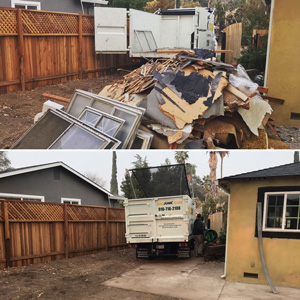
A junk removal crew does the labor that dumpster service does not include. The crew can lift items out of the enclosure, load them into the truck, sweep up loose debris, and haul away the material in one visit. This is often the practical choice when staff cannot safely handle heavy lifting or when a property needs the area cleaned before a showing, inspection, delivery, or tenant move-in.
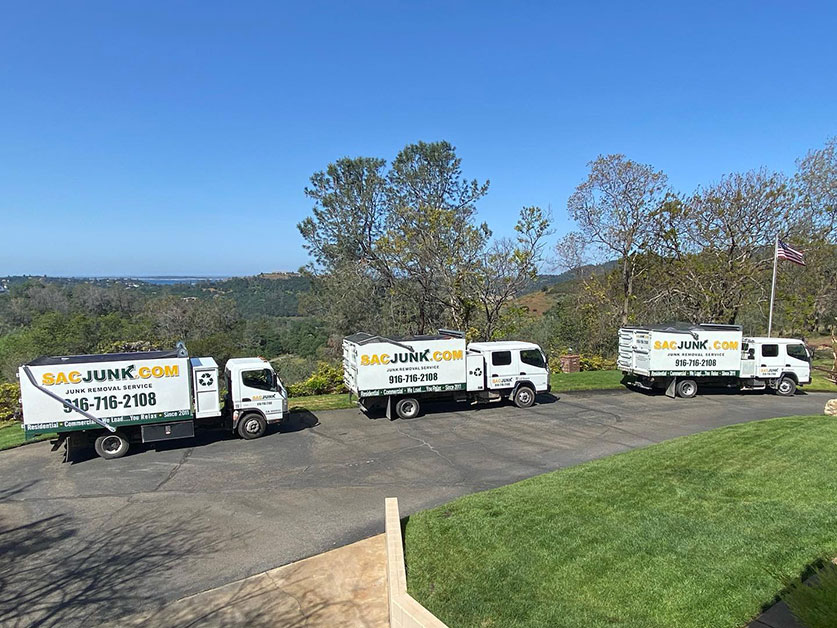
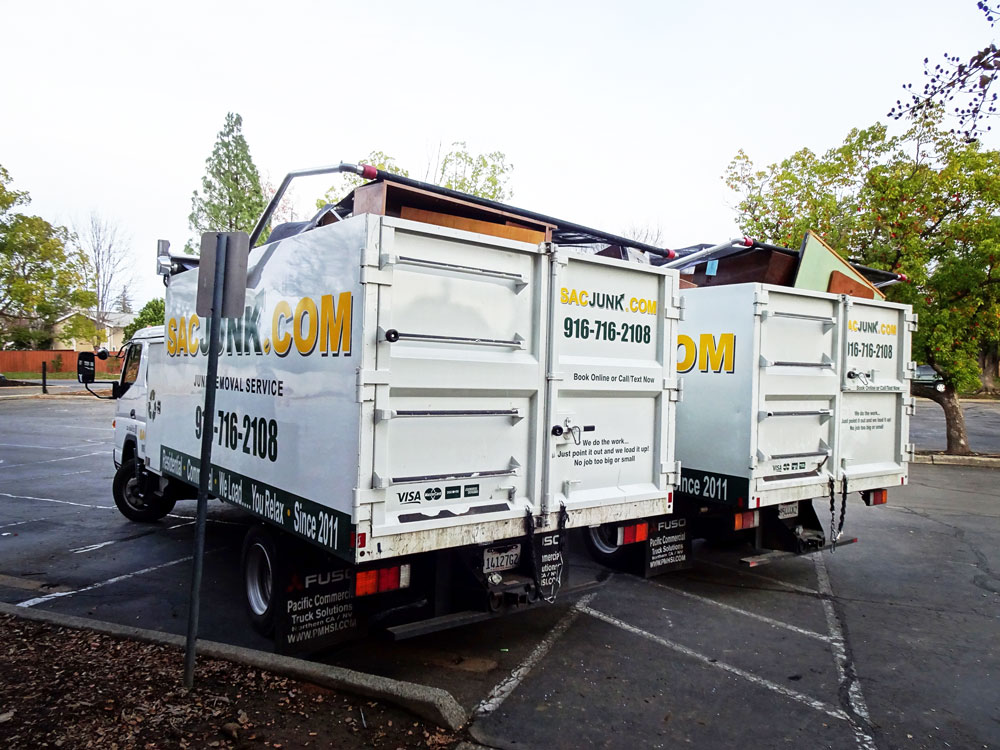
For Sacramento-area properties, Sac Junk can provide full-service removal for non-hazardous overflow, including the lifting, loading, hauling, and final cleanup. Pricing is based on how much space the material takes up in the truck, and the quote is approved on-site before work begins. That is useful when the pile is larger than it looked in a photo or includes items hidden behind the bins.
Common Items Found Around Dumpster Enclosures
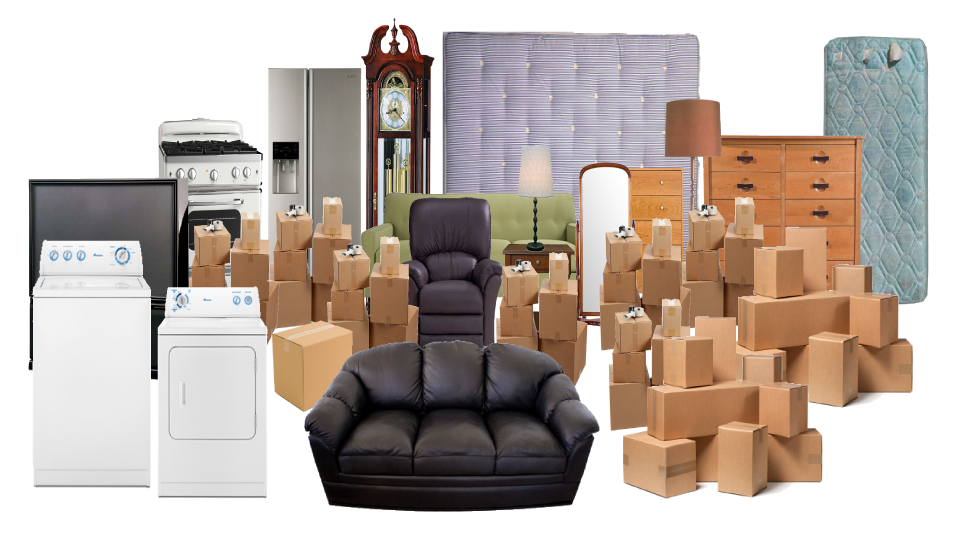
Overflow is rarely just trash bags. At multifamily properties, the most common problem items are mattresses, couches, bed frames, dressers, televisions, small appliances, moving boxes, and bags left after a tenant move-out. These items take up too much room in a standard dumpster and can quickly block enclosure access.
Commercial properties often deal with cardboard, damaged inventory, shelving, office furniture, packaging, pallets, display materials, and old fixtures. Contractors may leave wood scraps, drywall, carpet, cabinets, or demolition debris after a project. Each situation has different disposal needs, but the cleanup priority stays the same: clear the access point and remove loose material before it becomes a larger property issue.
Some materials may be recyclable or suitable for donation depending on condition. Separating usable furniture, metal, cardboard, and other recoverable material can reduce unnecessary landfill disposal. It may take a little more sorting, but it is often worth doing when the pile includes reusable items rather than only mixed trash.
Preventing the Next Overflow
One cleanup will restore the enclosure. A few practical changes can reduce how often you need another one. The right approach depends on the property, the number of tenants or businesses using the bins, and the type of waste they generate.
First, make sure container capacity matches actual use. If bins are consistently full before pickup day, increasing service frequency or adding capacity may cost less than repeated emergency cleanups. This is particularly true after move-in periods, retail seasonal changes, large office reorganizations, or renovation work.
Second, make disposal rules visible. Clear signage should explain what belongs in the dumpster and what does not. Include direct instructions for bulky items, cardboard breakdown, and move-out materials. Signs do not stop every violation, but they give residents, employees, and vendors fewer excuses for leaving items beside the bin.
Third, control access where it makes sense. Functional enclosure gates, locks, lighting, and cameras can discourage outside dumping. A lock is not the right answer for every location, since trash haulers and authorized users need access, but it can be effective for properties with repeated after-hours dumping.
Finally, set a response standard. If maintenance or management notices overflow, schedule removal before the next weekend or high-traffic period whenever possible. Fast cleanup sends a clear message that the area is monitored. Letting the pile stay in place often signals that more dumping will be ignored.
A Better Process for Property Managers and Businesses
For recurring issues, create a simple internal process rather than treating every pile as a surprise. Ask staff to report overflow with photos, note whether access is blocked, and identify any restricted or hazardous material. This gives management enough information to choose between an extra trash pickup and a full hauling service without wasting time.
It also helps to keep a record of dates, locations, and repeat items. If one enclosure repeatedly fills with mattresses or move-out debris, the solution may be a scheduled bulk-item pickup policy or better communication with tenants. If one retail location has constant cardboard overflow, it may need more frequent recycling service instead of repeated emergency hauling.
The best cleanup plan is the one that fits how your property actually operates. A small office may only need one quick pickup after a furniture replacement. A large apartment complex may need ongoing monitoring and a dependable removal partner for bulky-item overflow. Either way, clearing the enclosure promptly protects curb appeal, access, and the people who use the property every day.
When the pile is already there, do not wait for it to solve itself. Clear the space, restore access, and use what you learn from the cleanup to keep the next overflow from starting in the first place.