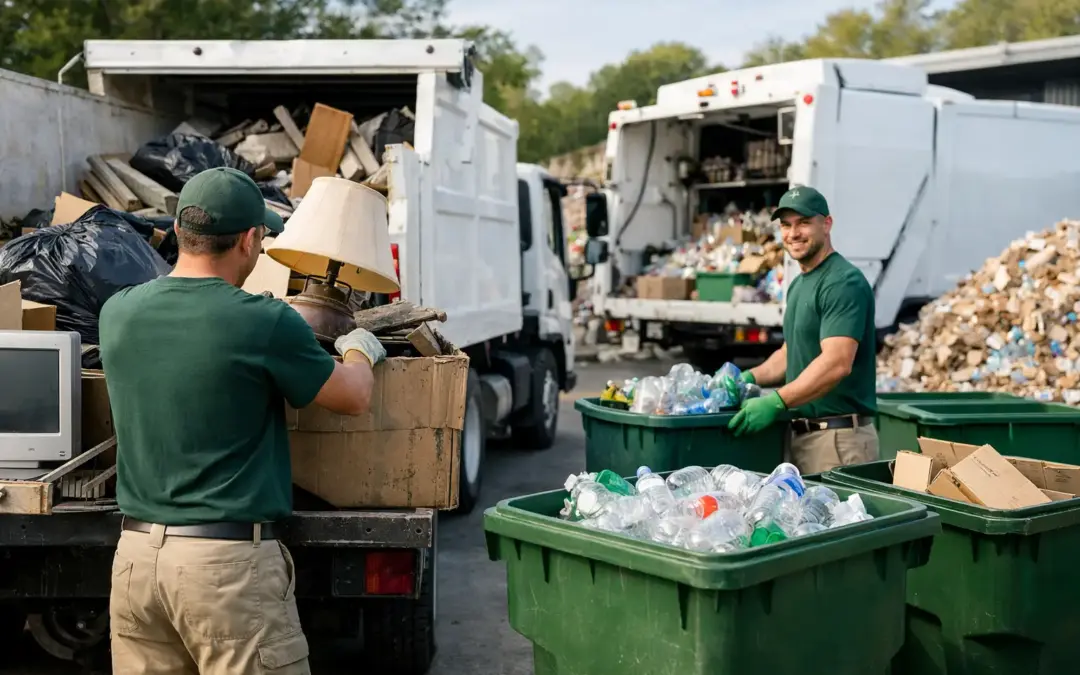
A garage cleanout can leave you staring at a pile of old furniture, broken appliances, bags of clothes, cardboard, and mystery boxes wondering: do haulers recycle, or does it all end up in a landfill? The honest answer is that responsible haulers recycle and donate what they can, but not every item can be recovered. Condition, material type, local facility rules, and safety requirements all affect where your junk goes.
For Sacramento homeowners, landlords, contractors, and business owners, the goal is simple: clear the space fast without creating more waste than necessary. A full-service crew should handle the lifting, loading, hauling, sorting, and proper disposal so you do not have to spend your weekend making separate trips around town.
Do Haulers Recycle Everything They Pick Up?
No. Junk haulers cannot recycle everything, and any company promising that every item will be recycled is not being realistic. A damaged couch with soaked cushions, contaminated household debris, mixed construction waste, or unusable particleboard furniture may have limited recycling options.
Still, a good hauling company looks for the best available destination before treating an item as trash. That usually means separating reusable goods, recyclable materials, and disposal-only debris after pickup. At Sac Junk, the goal is to donate and recycle up to 60% of the materials removed, helping keep usable items and recoverable materials out of the landfill whenever possible.
The key phrase is “whenever possible.” Recycling depends on what the item is made of, whether it is clean and dry, and whether a local recycler accepts it. A clean metal bed frame is very different from a moldy mattress left outside through several rainstorms.
What Junk Items Can Haulers Often Recycle?
Many common removal items contain materials that can be recovered. Metal is one of the easiest examples. Steel shelving, filing cabinets, bed frames, bicycles, metal patio furniture, tools, and many appliances can often be directed to metal recycling rather than regular disposal.
Appliances may also have recyclable components. Washers, dryers, stoves, refrigerators, freezers, dishwashers, and water heaters contain valuable metal. Refrigerators and freezers need extra handling because of refrigerants, so they must go through the right disposal process rather than being dropped off like ordinary scrap.
Electronic waste is another category that needs special attention. Old computers, monitors, printers, televisions, cables, and office electronics should not simply be tossed into a general junk pile. These items can contain recoverable materials as well as components that require compliant handling.
Cardboard, paper, clean plastics, and certain packaging materials can be recyclable too, especially during office cleanouts, warehouse cleanouts, retail resets, and move-outs. The condition matters. Clean, separated cardboard is far more likely to be recycled than wet boxes mixed with food waste, paint, or general debris.
Yard waste can often be diverted as well. Branches, leaves, grass clippings, untreated wood, and green debris may be processed differently from household junk. If you are clearing a backyard, rental property, or construction site, keeping green waste separate from trash can improve its chances of being recovered.
Donation Comes Before Disposal When Items Are Usable
Recycling is not the only responsible option. If an item still works, looks presentable, and can be safely used by someone else, donation may be a better outcome.
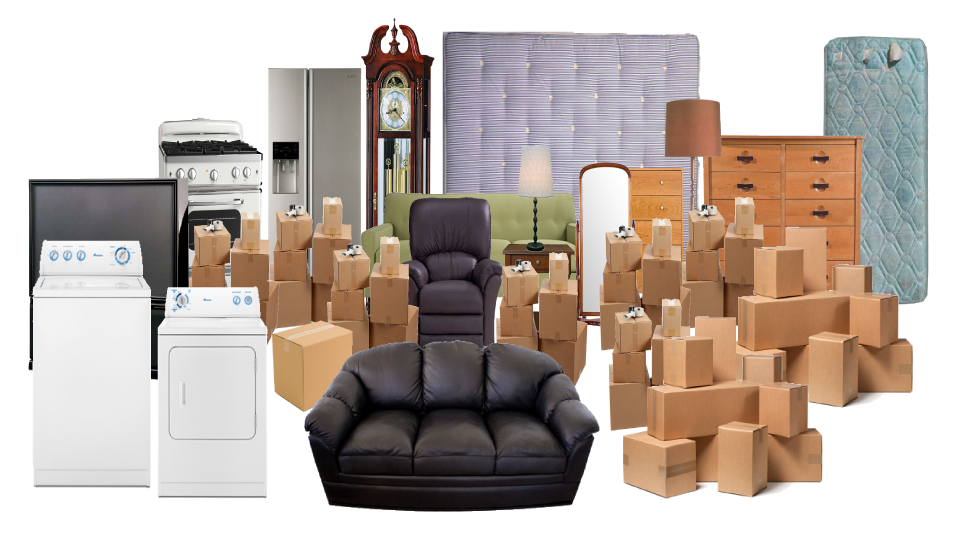
Furniture, household goods, clothing, kitchenware, tools, shelving, office chairs, and some working appliances may be suitable for donation. A clean dresser with functional drawers has more value as a usable piece of furniture than as broken-down material. The same goes for a working desk, a gently used sofa, or surplus office supplies from a commercial cleanout.
Donation is not guaranteed, though. Charities and reuse organizations have space limits and condition standards. They may decline oversized furniture, heavily worn mattresses, damaged goods, recalled products, or items that need repairs. That is why haulers need backup plans for items that cannot be accepted for reuse.
If you already know certain items are clean and usable, point them out to the crew before loading begins. It helps the team sort efficiently and can keep donation-ready goods from getting buried under demolition debris or wet yard waste.
Why Some Items Cannot Be Recycled or Hauled
Responsible junk removal includes knowing what not to load. Most standard hauling companies remove non-hazardous junk, but hazardous materials require specialized handling and should not be mixed into a pickup load.
Items that commonly need a separate disposal plan include paint, chemicals, gasoline, propane cylinders, pesticides, solvents, ammunition, medical waste, and certain batteries. These materials can create fire, health, environmental, and transportation risks. Sacramento-area customers should use approved household hazardous waste options for those items rather than placing them out for a junk crew.
Some items are technically recyclable but difficult to process because of their condition. A mattress may have recyclable metal springs and foam, but local processing availability and contamination can limit options. Upholstered furniture is another example. A clean, dry item may have some recoverable materials, while one with pests, odors, water damage, or biohazard contamination needs a different disposal route.
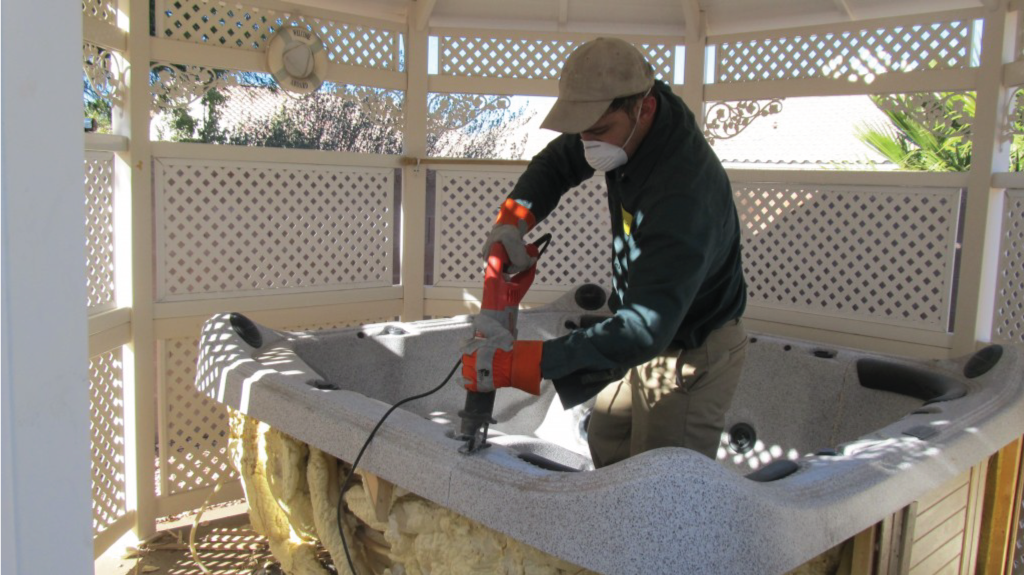
Construction and renovation debris also varies. Clean lumber, metal, concrete, brick, and cardboard may have recovery potential. Mixed debris from a demolition project is harder to sort and may cost more to process. If recycling is a priority, tell the hauler what type of material is on site when you request service.
How a Professional Hauling Pickup Usually Works
The process should not be complicated. You show the crew what needs to go, receive an upfront quote based on how much truck space the load takes, approve the price, and let the team do the work. Labor, loading, hauling, and basic site cleanup should be part of the service.
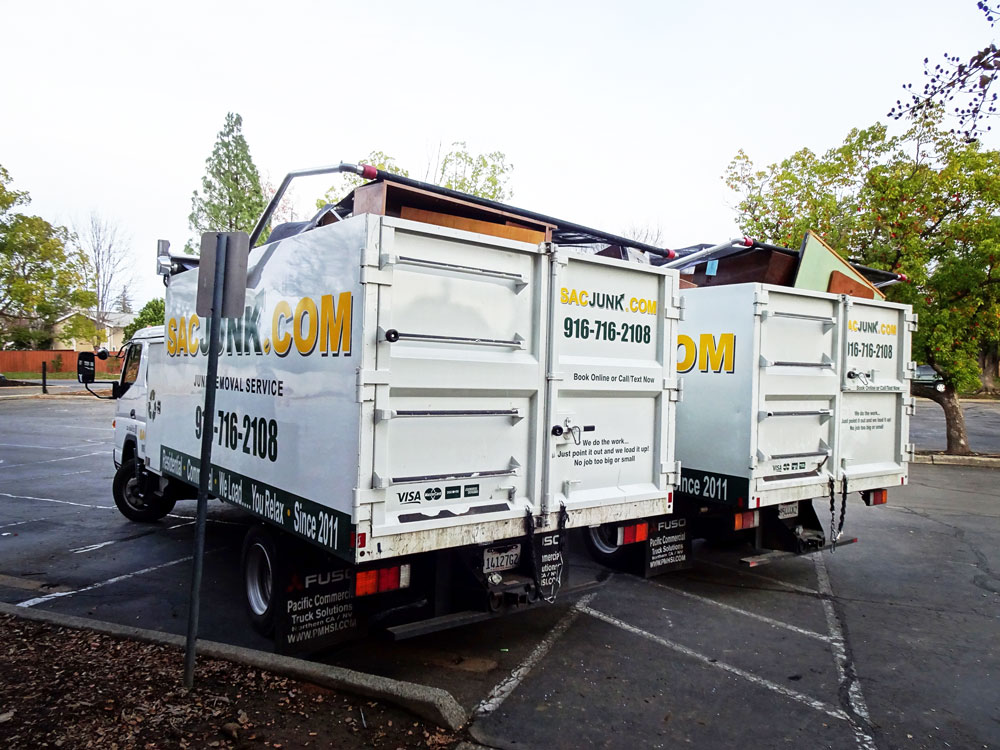
Once the items are loaded, the job is not always as simple as driving straight to a landfill. Responsible haulers sort loads and route materials based on what can be donated, recycled, or disposed of properly. That extra work is one reason a professional junk removal service is more useful than just borrowing a truck and hoping the transfer station accepts everything in one trip.
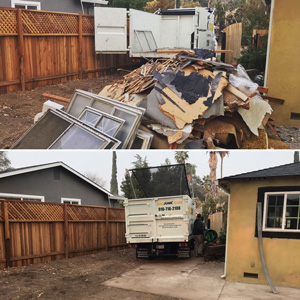
For a landlord dealing with a turnover, this can mean clearing abandoned furniture, bagged trash, broken appliances, and garage clutter in one visit. For a contractor, it can mean getting job-site debris out of the way without tying up crew time. For a homeowner, it means no wrestling a sleeper sofa down a hallway or loading a heavy old refrigerator into a pickup.
How You Can Help Haulers Recycle More
You do not need to pre-sort your entire property to book a junk pickup. Full-service hauling means the crew handles the heavy lifting and the bulk of the sorting. But a few small steps can help increase the amount that is donated or recycled.
First, keep hazardous materials separate and mention them before the appointment. Second, let the crew know if you believe an item is working, valuable, or donation-ready. Third, avoid mixing wet garbage or food waste with cardboard, electronics, textiles, and other dry materials. Finally, if you have a large volume of one material, such as metal shelving, clean lumber, office paper, or green waste, point it out during the estimate.
Clear access helps too. When crews can reach items safely and load efficiently, they can spend less time navigating obstacles and more time moving your project forward. If an item is in an upstairs room, behind a shed, or inside a packed storage unit, say so when booking. The right crew will come prepared.
Choosing a Hauler That Takes Disposal Seriously
Ask direct questions before you schedule. Does the company donate usable items? Do they recycle materials when local facilities accept them? Are labor and disposal included in the quote? Will you approve the price before work starts? Clear answers are a good sign that you are working with an operator that knows how to manage a real cleanup, not just load a truck and disappear.
Price still matters, especially on a large estate cleanout, warehouse cleanup, or rental turnover. But the cheapest option is not always the best value if it leaves you with hidden charges, unapproved dumping, or extra work after the crew leaves. Look for straightforward volume-based pricing, an on-site quote, and a crew that handles the job from first lift to final sweep.
If clutter is taking over your garage, rental, office, yard, or job site, do not let uncertainty about recycling delay the cleanup. Set aside anything hazardous, identify the items you want saved if possible, and let a dependable local hauling crew take the rest off your hands.