A garage can go from useful storage to a full-blown dumping ground one box, broken chair, and half-finished project at a time. This garage cleanout planning guide helps you take control before the job turns into an exhausting weekend of moving the same stuff from one corner to another.
The goal is not to create a picture-perfect garage in one day. The goal is to make clear decisions, remove what no longer serves a purpose, and leave behind space you can actually use. Whether you need room for vehicles, a workshop, seasonal storage, or a rental property turnover, a plan keeps the cleanup moving.
Start Your Garage Cleanout Plan With a Realistic Goal
Before pulling out the first bin, decide what the garage needs to do when the cleanout is finished. A homeowner may want both cars under cover. A contractor may need organized access to tools and job materials. A landlord may simply need a vacant garage cleared quickly between tenants.
That end use determines what stays. It also prevents the common mistake of keeping every item because it might be useful someday. If an item does not support the garage’s new purpose, it needs a new home, a donation route, or removal.
Set a clear finish line. For example: clear a 10-by-10-foot area for a vehicle, open a path to the water heater, or empty the entire garage before moving day. Specific goals make it easier to decide what to keep when you reach the hard stuff.
Make a Quick Inventory Before You Move Heavy Items
Walk through the garage with your phone or a notepad and identify the major categories. You do not need to count every screw or extension cord. Look for the items that will affect your labor, disposal plan, and available time.
Common garage cleanout categories include furniture, old appliances, mattresses, boxes, tools, sports equipment, electronics, yard debris, lumber, paint supplies, and renovation leftovers. Notice what is bulky, what may need special disposal, and what is buried behind other items.
Take a few photos before you start. They can help you estimate the size of a hauling job, remember what was in a pile, and document the condition of a rental or estate property. Photos also make it easier to get an accurate quote if you decide full-service junk removal is the better option.
Set Up Sorting Zones That Keep the Job Moving
A cleanout stalls when every item becomes a new debate. Avoid that by setting up clearly marked zones before you begin. Use the driveway, patio, or one open section of the garage if weather permits. Keep the main walkway open so no one is climbing over piles.
For most projects, four destinations are enough:
- Keep items that have a current use and a designated storage spot.
- Donate items that are clean, complete, and in usable condition.
- Recycle materials such as cardboard, metal, or electronics when accepted locally.
- Remove broken, outdated, damaged, or unwanted items.
Do not create a vague “maybe” pile unless you put a deadline on it. A small box of sentimental photos is one thing. A wall of mystery bins is how clutter returns. If you have not used an item in years, cannot identify its purpose, or would not pay to move it to a new home, removal is usually the practical call.
Handle Safety and Disposal Issues First
Garages often contain materials that should not go into a standard junk load. Before booking removal or loading a vehicle, separate out household chemicals, motor oil, gasoline, propane tanks, pesticides, batteries, fluorescent bulbs, and wet paint. These materials may need a dedicated household hazardous waste drop-off program.
Do not open unknown containers just to find out what is inside. Keep them upright, away from heat and children, and follow local disposal instructions. If you find suspected asbestos-containing materials, medical waste, ammunition, or anything unsafe, stop and contact the appropriate local authority or qualified service provider.
For ordinary bulky junk, safety still matters. Wear closed-toe shoes and gloves, watch for nails and broken glass, and do not try to carry appliances or heavy furniture alone. A strained back can turn a garage cleanout into a much bigger problem than a crowded space.
Keep Donation Items Out of the Junk Pile
Donation only works when the items are in condition another person can use. Place usable furniture, working tools, clean household goods, and intact sports equipment in a protected area. Sacramento’s heat, surprise rain, and driveway traffic can quickly ruin items that were worth passing along.
Be honest about condition. A worn-out sofa, cracked plastic storage tote, rusted grill, or broken exercise equipment may not be suitable for donation. Separating usable goods early gives them a better chance of being reused and keeps your final hauling volume lower.
Choose Between DIY Hauling and Full-Service Removal
A do-it-yourself cleanout can work well for a few boxes, light debris, and items that fit safely in your vehicle. It may be the lower-cost route when you have time, help, and access to the right disposal facilities.
The trade-off is that DIY hauling often requires multiple trips, lifting, sorting disposal rules, and time away from work or family. Large items can also create a real loading problem. Old refrigerators, couches, water heaters, cabinets, mattresses, and shelving take more effort than most people expect.
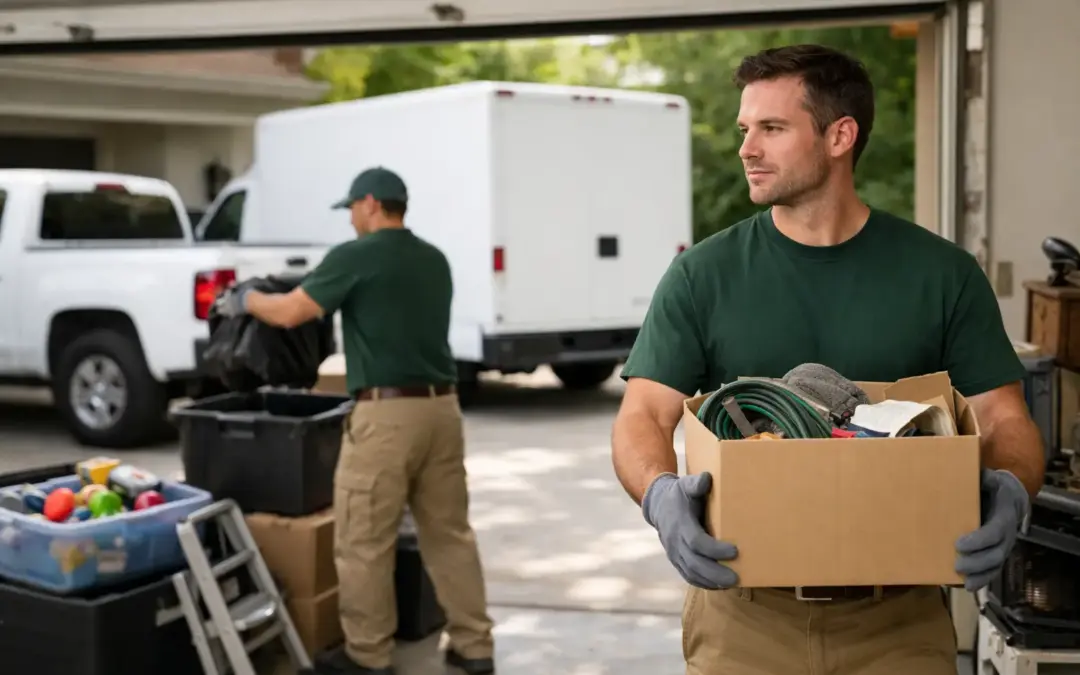
Full-service removal is often the better fit when the garage is packed, the items are heavy, the deadline is tight, or you simply do not want to spend the day lifting and driving. With a crew, you point out what goes, approve the on-site quote, and the team handles loading, hauling, and a final sweep of the area.
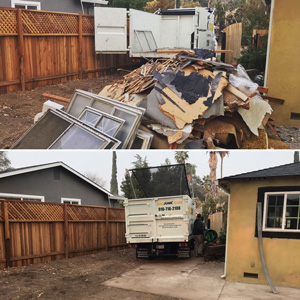
For Sacramento-area garage cleanouts, Sac Junk can remove non-hazardous items from the garage, driveway, side yard, or wherever the clutter has spread. Volume-based pricing helps customers pay for the amount of space their items take up, while labor is included. That is especially useful for property managers, move-outs, estate cleanouts, and homeowners who need the space back fast.
Plan the Order of Work, Not Just the Date
Start near the garage door and work toward the back. Clearing the front first creates room to stage items and gives removal crews easier access. It also reduces the temptation to shove everything into one corner just to make the entrance look better.
Handle loose trash, empty boxes, and small items before tackling large furniture or equipment. Then break down shelves, cabinets, and other items only after you have confirmed they are leaving. Keep a broom, contractor bags, and a recycling container nearby so the floor gets cleaner as you go.
If you are booking a pickup, have the crew’s access route ready. Move vehicles, unlock gates, secure pets, and make sure the items being removed are clearly identified. You do not need to drag heavy junk to the curb unless your removal provider specifically asks you to. A full-service crew should be prepared to do the lifting.
Avoid These Common Garage Cleanout Delays
The biggest delay is trying to organize every item before removing obvious junk. Get rid of broken and unwanted items first. You cannot build an effective storage system around clutter that should have left years ago.
Another delay is underestimating disposal needs. Cardboard is easy. A pile of old paint, tires, e-waste, and automotive fluids is not. Separate those materials early so they do not hold up the rest of the project.
Finally, do not leave the final load for “later.” Once the garage is sorted, schedule the hauling promptly. Freshly made decision piles have a way of becoming permanent piles when life gets busy.
Put Back Only What Earned Its Space
After the unwanted items are gone, clean the floor and inspect the garage for leaks, pests, damaged shelving, or blocked vents. Then return keep items by frequency of use. Daily and weekly items should be easy to reach. Seasonal decor and records can go higher or farther back.
Use sturdy labeled bins for items you truly need to store. Keep one open area for incoming items, so donations, deliveries, and project materials do not automatically become long-term clutter. If possible, leave some empty floor space on purpose. That breathing room is what makes the garage usable.
A successful cleanout is not measured by how much you moved around. It is measured by how much easier the garage is to use when the work is done. Make the hard decisions, keep safety in mind, and bring in hauling help when the load is more than your time or back can reasonably handle.