An office move, remodel, lease turnover, or downsizing can leave you with a room full of bulky furniture and no practical way to get it out. To handle office furniture disposal without disrupting your team or damaging the building, you need a plan for sorting items, coordinating access, and getting the heavy lifting done quickly.
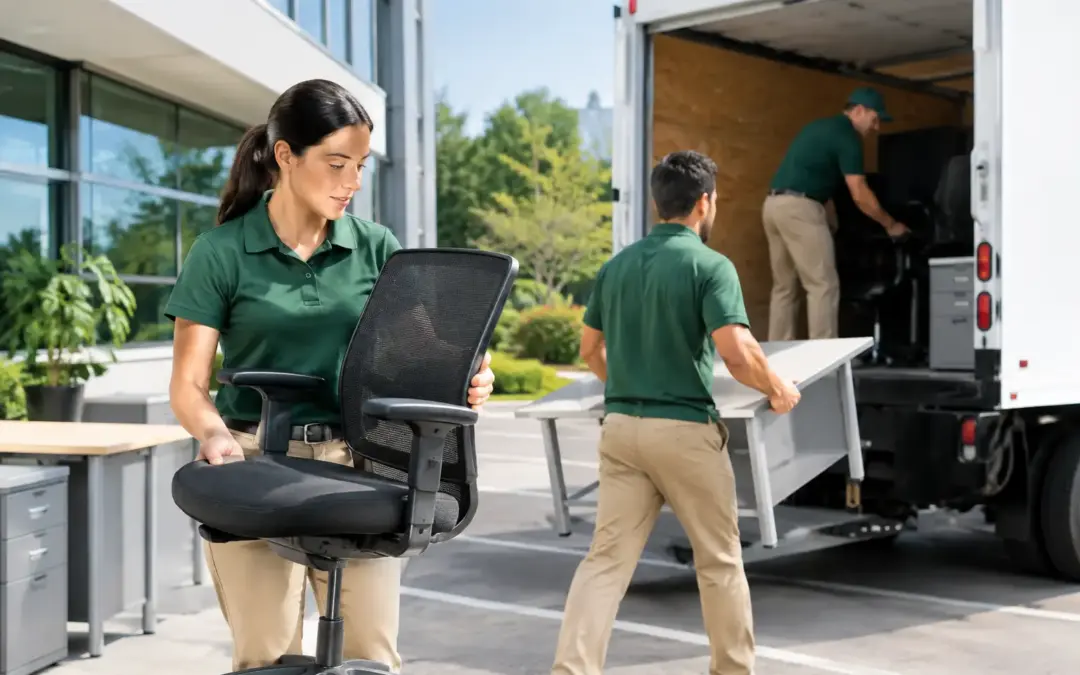
Old desks, cubicles, conference tables, filing cabinets, and office chairs take up valuable space fast. They are also awkward to move through hallways, elevators, loading docks, and shared parking areas. A full-service removal crew keeps the job simple: you point out what goes, approve the price, and the crew handles the lifting, loading, hauling, and cleanup.
When Office Furniture Needs to Go
Furniture disposal is not always about clearing a completely vacant office. Many Sacramento businesses need partial removal so they can make room for new workstations, update a reception area, convert private offices into collaborative space, or clear a storage room that has become a catch-all for broken equipment.
The right timing matters. Schedule removal before new furniture arrives whenever possible. This prevents delivery crews from working around old items and keeps your office from becoming a cramped staging area. If your lease is ending, do not wait until the final day. Property managers may require the suite to be broom-clean, and last-minute hauling can put your move-out schedule at risk.
For offices in multi-tenant buildings, check building rules before pickup. Some properties limit elevator use, require a certificate of insurance, reserve loading docks, or allow large-item removal only during certain hours. A little coordination upfront prevents delays on pickup day.
How to Handle Office Furniture Disposal Without the Headache
Start by walking through the office and separating what must leave from what is still usable. This does not need to be a complicated inventory. Mark furniture for removal with tape, place it in a designated area if space allows, and make sure employees know what should stay.
Usable desks, chairs, shelves, and tables may be candidates for donation. Worn-out, damaged, or incomplete furniture is generally better suited for recycling or disposal. The condition of the item, its material, and local outlet availability all affect where it can go. That is why a professional junk removal company is often the most efficient option for mixed office cleanouts.
Before the crew arrives, clear personal belongings, paperwork, electronics, and confidential materials from desks and cabinets. Filing cabinets deserve extra attention. Remove all files before hauling, even if the cabinet appears empty. Paper records, hard drives, and electronic storage devices should be handled through your company’s secure document destruction or e-waste process rather than tossed in with standard furniture.
Then make access as easy as possible. Reserve the loading area, identify the closest entrance, and let the crew know about stairs, elevators, narrow hallways, security check-ins, or parking restrictions. These details help avoid surprises and lead to a faster, cleaner removal.
What a Full-Service Office Furniture Pickup Can Remove
Most non-hazardous office furniture can be removed in one pickup, from a few oversized pieces to a full suite cleanout. Common items include:
- Desks, executive desks, workstations, and reception counters
- Office chairs, guest seating, stools, and waiting room furniture
- Cubicles, partitions, panels, and modular workstation components
- Conference tables, training tables, bookcases, and storage cabinets
- Filing cabinets, credenzas, shelves, and breakroom furniture
- Whiteboards, bulletin boards, office décor, and general non-hazardous clutter
The size of the job can vary widely. A small professional office may only need a few chairs and a desk removed. A corporate relocation may involve rows of cubicles, dozens of workstations, and a warehouse full of surplus furniture. In both cases, the main advantage of full-service hauling is the same: your staff does not have to spend their workday taking furniture apart, carrying it downstairs, or making repeated dump runs.
Cubicles and Large Workstations Require Extra Planning
Cubicle removal is more involved than hauling away a desk. Panels, brackets, overhead bins, work surfaces, electrical raceways, and hardware may all be connected. Some systems come apart easily; others need careful disassembly to avoid damage to walls, floors, and nearby furniture.
If you are removing cubicles, take photos of the layout before the crew arrives and identify any sections that must remain in place. It also helps to confirm whether electrical connections have been safely disconnected. A removal crew can handle the physical breakdown and hauling, but electrical work should be addressed by the appropriate professional when needed.
Large conference tables and built-in reception desks can create similar challenges. Measure doorways and elevators if the piece is especially large. Sometimes the furniture can be disassembled for removal. Other times, it may need to be moved through a loading dock or alternate exit. The best approach depends on the building and the furniture itself.
Donation, Recycling, and Disposal: What Happens Next?
Throwing everything in a landfill is rarely the first choice, especially when office furniture includes usable items or recyclable materials. Metal filing cabinets, steel chair frames, aluminum components, cardboard, and certain electronics may have recycling value. Clean, functional furniture may also be suitable for donation when local organizations can accept it.
Still, responsible disposal depends on item condition and available facilities. A stained fabric chair, cracked desk, broken particleboard cabinet, or incomplete cubicle system may not be reusable. That does not mean you need to store it indefinitely. It means it needs the right hauling and disposal path.
Sac Junk works to donate and recycle up to 60% of the materials it removes, whenever conditions and local facilities allow. That gives businesses a practical way to clear space while keeping usable materials out of the landfill when possible.
Understand Pricing Before You Book
Office furniture removal pricing usually depends on how much space the items take up in the truck, plus the labor involved. A few chairs and a small desk cost less than a full office cleanout with cubicles, stairs, long carrying distances, or difficult access.
Ask for clear on-site pricing before work begins. A reliable crew should assess the load, explain the quote, and get your approval before loading. This is especially useful for commercial jobs where the final amount of furniture may change as employees finish sorting or a manager identifies additional items to remove.
The lowest advertised price is not always the best value if it excludes labor, fuel, disposal fees, or cleanup. Full-service pricing should account for the actual work: lifting, disassembly when needed, loading, hauling, and sweeping up the area afterward. That lets your team stay focused on the move, remodel, or daily business operations.
Keep Your Office Move-Out on Schedule
For a smooth pickup, choose one person to be the on-site contact. They should have authority to approve the quote, direct the crew, and answer access questions. If your office is closing or moving, schedule removal after employees have packed but before cleaners or final walkthroughs.
Do not forget hidden spaces. Storage closets, server-adjacent rooms, breakrooms, supply areas, and back offices often hold the furniture that causes last-minute problems. A quick final walk-through can catch spare chairs, old monitors, damaged cabinets, and boxes that were not part of the original plan.
Whether you are clearing a single suite in Sacramento or emptying a larger commercial space, office furniture disposal does not need to become another project for your staff. Get the access details ready, separate confidential materials, and let an experienced hauling crew do the hard part so your next space is ready to work.