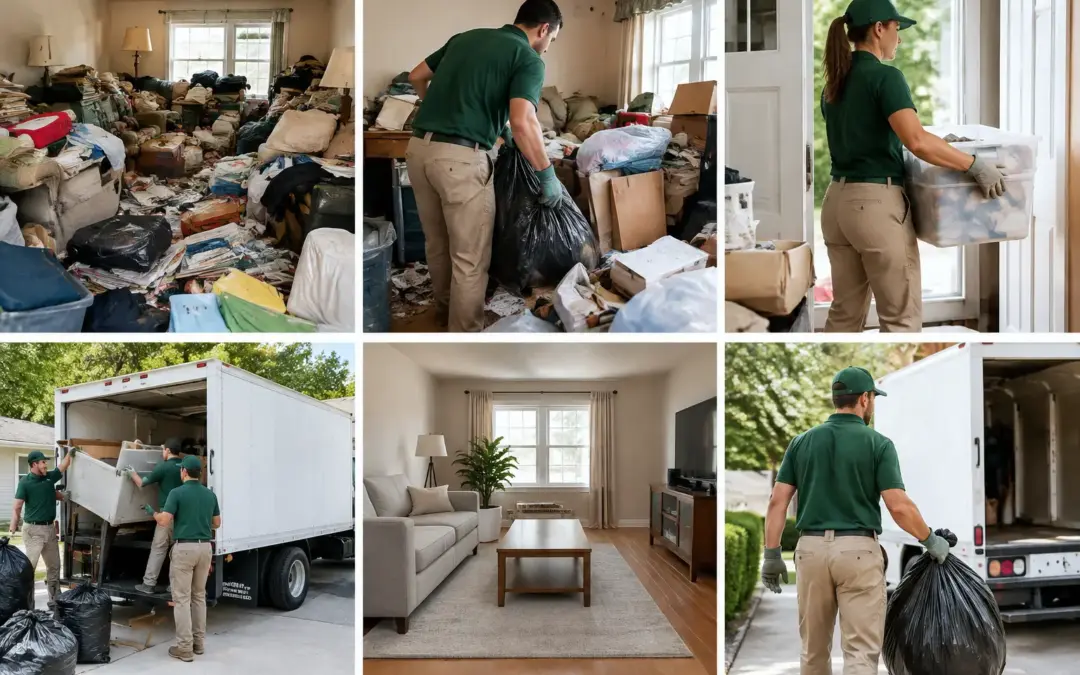
A hoarding cleanup example is rarely just a truck full of unwanted items. It is usually a home, rental, garage, or storage area where years of possessions have narrowed walkways, blocked doors, and made everyday tasks harder than they need to be. The job calls for a steady crew, a clear plan, and zero judgment.
For Sacramento-area property owners, families, landlords, and managers, the goal is straightforward: clear the space safely, remove the physical burden, and leave behind a property that can be used again. Here is what that process can look like in the real world.
Hoarding Cleanup Example: A Packed Family Home
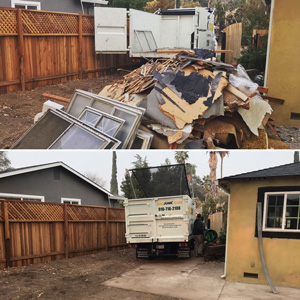
Imagine a three-bedroom Sacramento home after an older resident has moved in with family. The house has accumulated furniture, bags, boxed household goods, old clothing, papers, small appliances, and garage overflow over many years. There is a narrow path through the living room, one bedroom is inaccessible, and the garage door will not fully close because of the items inside.
The family does not need a lecture about how the property got this way. They need help getting it cleared without spending several weekends lifting heavy items, renting a dumpster, and making repeated trips to disposal sites.
Before removal begins, a professional junk crew walks the property with the customer or authorized representative. This is the time to identify areas that need to stay untouched, items the family plans to keep, and obvious large pieces that need to come out first. The crew also checks entrances, stairs, gates, parking access, and the safest route to the truck.
That walkthrough matters because every cleanup is different. A ground-floor home with driveway access can move much faster than an upstairs apartment with tight hallways. A garage full of bagged items is different from a home where belongings are stacked room to room. The price should reflect the amount of space the material takes up in the truck, along with the labor required for the job.
First, Make Safe Paths and Clear Access
In this example, the crew begins by opening up the front entry, living room path, and route to the garage. Clearing access early reduces tripping hazards and gives the team room to work efficiently. Large furniture, broken appliances, loose bags, and obvious trash are loaded out as they are removed.
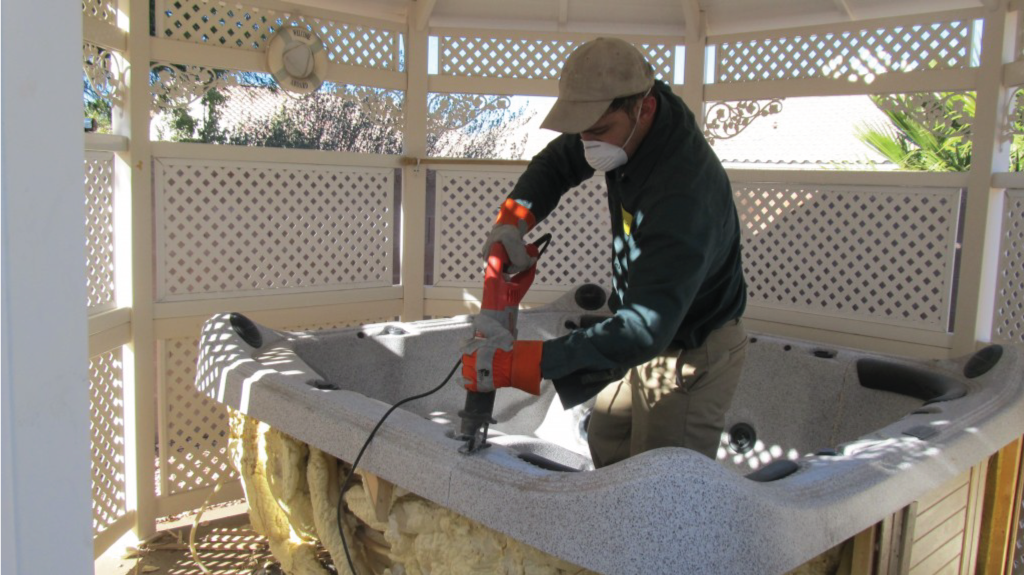
The crew does not need the customer to carry a single item. Full-service removal means the lifting, loading, hauling, and basic sweep-up are handled by the people doing the job. That is especially helpful when family members are overwhelmed, short on time, or unable to handle heavy furniture safely.
At this stage, the house may look worse before it looks better. Moving items out of tightly packed rooms can reveal additional boxes, damaged flooring, or piles that were not visible during the first walkthrough. That is normal. A good crew stays organized, keeps approved items separate, and works through the home section by section instead of creating a larger mess in the driveway.
Then, Work Room by Room
Once the main path is open, the cleanup continues through the home in a practical order. The living areas and bedrooms often come first, followed by closets, bathrooms, the kitchen, and the garage. This approach helps the customer see progress quickly and makes it easier to decide what needs to happen next.
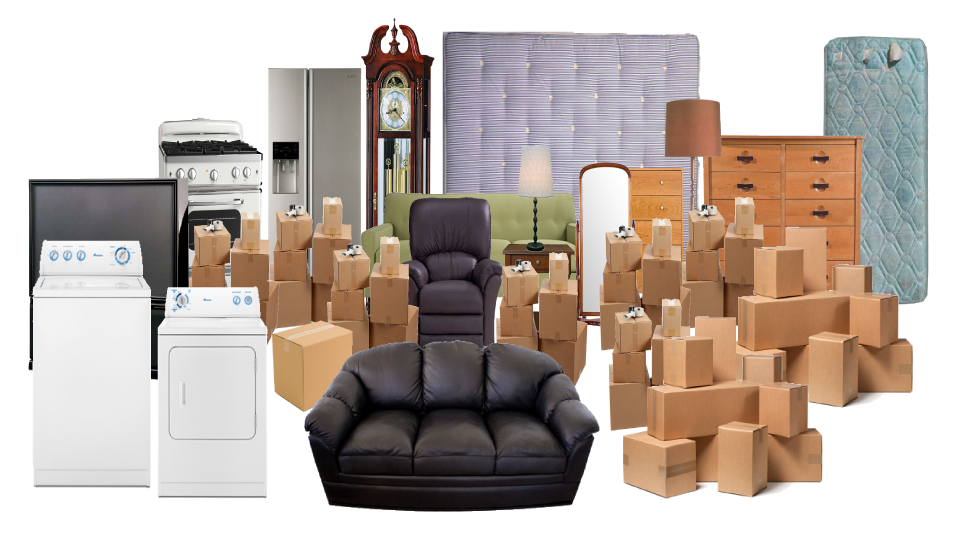
In the sample home, the crew removes an old couch, damaged recliners, mattresses, empty boxes, broken shelving, worn rugs, clothing bags, outdated electronics, and miscellaneous household clutter. Usable furniture or household goods may be set aside for donation when condition and local acceptance rules allow. Recyclable materials are also separated where possible.
Not every item should be tossed automatically. Family photos, documents, jewelry, medications, financial papers, and sentimental objects can turn up unexpectedly. Customers should tell the crew in advance if they want certain areas handled slowly or if they need time to review items as they are found. That can add time to a job, but it may be the right trade-off when important belongings could be mixed into the clutter.
What a Professional Hoarding Cleanup Crew Can Remove
Most hoarding cleanouts involve ordinary, non-hazardous items that have built up over time. A removal crew can generally take furniture, mattresses, appliances, bagged trash, household goods, clothing, cardboard, yard debris, garage clutter, shelving, and many other bulky items.
Some materials require a different type of service. Chemicals, paint, fuels, medical waste, needles, asbestos, and certain biological hazards should be disclosed before booking. Those materials may need specialized handling or a licensed remediation provider. The same applies when there is extensive mold, animal waste, or structural damage. Clearing the contents is a major step, but it is not always the final repair or sanitation solution.
Honesty during the initial call helps avoid surprises on cleanup day. A few photos can also help a removal company estimate truck space, crew size, and whether the job may require more than one load.
How Pricing Usually Works for This Type of Cleanup
A hoarding cleanup is not usually priced like a single-item pickup. The cost depends on how much material fills the truck, how much labor is involved, and the conditions of the property. A one-room cleanup may take a short visit. A full house, detached garage, backyard, and shed can require a larger crew, multiple truck loads, or a scheduled full-day project.
The most useful quote is one given after the crew has seen the material on-site. It gives the customer a chance to approve the price before work starts, rather than guessing based on a vague description over the phone. If the scope changes, such as discovering a second packed storage room or adding items from the backyard, the crew should discuss the updated price before hauling those additional items away.
For landlords and property managers, a clear quote also makes move-out documentation easier. They can identify the units, rooms, or exterior areas included in the cleanup and schedule the next step, whether that is cleaning, repairs, painting, or listing the property.
The Human Side of a Hoarding Cleanup
The best cleanup jobs are handled with respect. Hoarding can involve grief, isolation, illness, a difficult move, an estate situation, or simply years of putting off a problem that grew too large to manage alone. The property may be frustrating, but the people connected to it deserve privacy and straightforward communication.
That does not mean the crew has to work slowly without a plan. It means they should show up on time, explain what they are doing, keep the job moving, and avoid making the customer feel embarrassed. A calm, hardworking team can turn an overwhelming day into a manageable one.
In many cases, the biggest relief comes after the truck pulls away. Doors open fully. A bedroom can be entered again. The garage can hold a car, maintenance crews can access the property, and a landlord can prepare a unit for the next tenant. Those are practical changes, but they can also make it easier for a family to take the next step.
When to Schedule a Full Cleanout Instead of a Small Pickup
A small pickup makes sense when the clutter is limited to a few pieces of furniture, a garage corner, or several bags and boxes. A full cleanout is a better fit when pathways are blocked, multiple rooms are affected, there are large volumes of loose material, or a deadline is approaching for a move, sale, inspection, or turnover.
If you are unsure which service you need, describe the space honestly. Mention the number of rooms, whether there are stairs, where the truck can park, and whether items are bagged or loose. That information helps the crew arrive prepared instead of wasting time on a job that needs more hands or truck capacity.
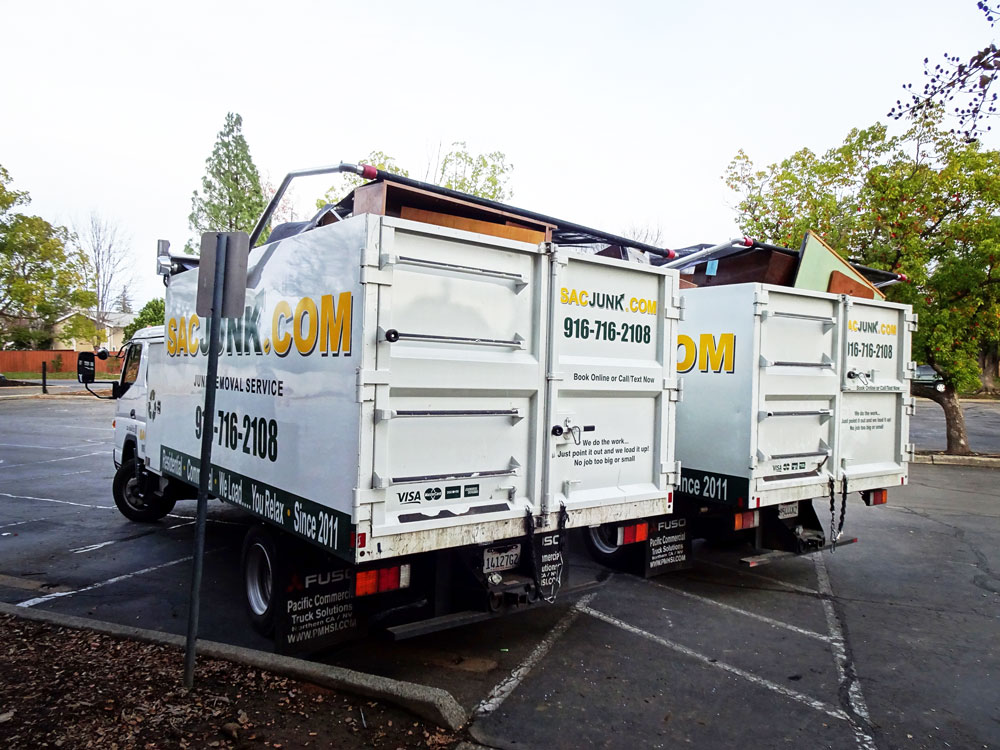
Sac Junk handles the heavy lifting for non-hazardous cleanouts throughout Sacramento and nearby communities, with upfront on-site pricing and responsible donation and recycling whenever possible. The right first step is not trying to solve the entire property alone. It is clearing one safe path, making one decision, and getting the help needed to put the space back to work.