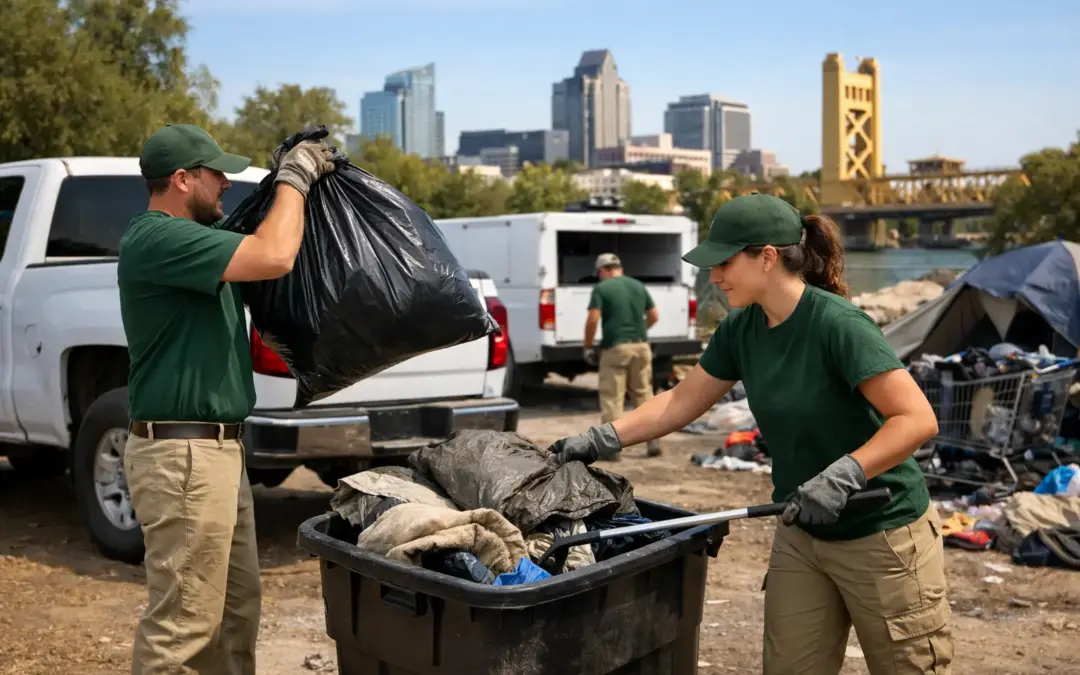
A homeless camp cleanup service is not a typical junk pickup. These jobs often involve large amounts of abandoned belongings, bulky debris, outdoor waste, and difficult access. Property owners, managers, and contractors need a crew that can show up prepared, work efficiently, and remove approved non-hazardous materials without leaving the site half-cleared.
For Sacramento-area properties, the right approach is practical and respectful: confirm site access and authorization, identify what can be safely removed, haul away the debris, and leave the area cleaner and easier to manage. Sac Junk provides labor-inclusive hauling for approved cleanup projects, so you do not have to supply a truck, load heavy items, or coordinate multiple removal trips.
When a Homeless Camp Cleanup Service Makes Sense
Encampment-related debris can build up quickly around vacant lots, commercial buildings, apartment communities, creek-adjacent properties, parking areas, construction sites, and dumpster enclosures. A cleanup may be needed after an authorized site clearing, when a tenant or customer reports debris near a property line, or before crews can begin repairs, landscaping, fencing, or construction work.
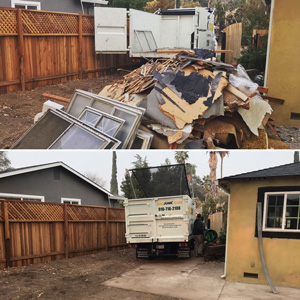
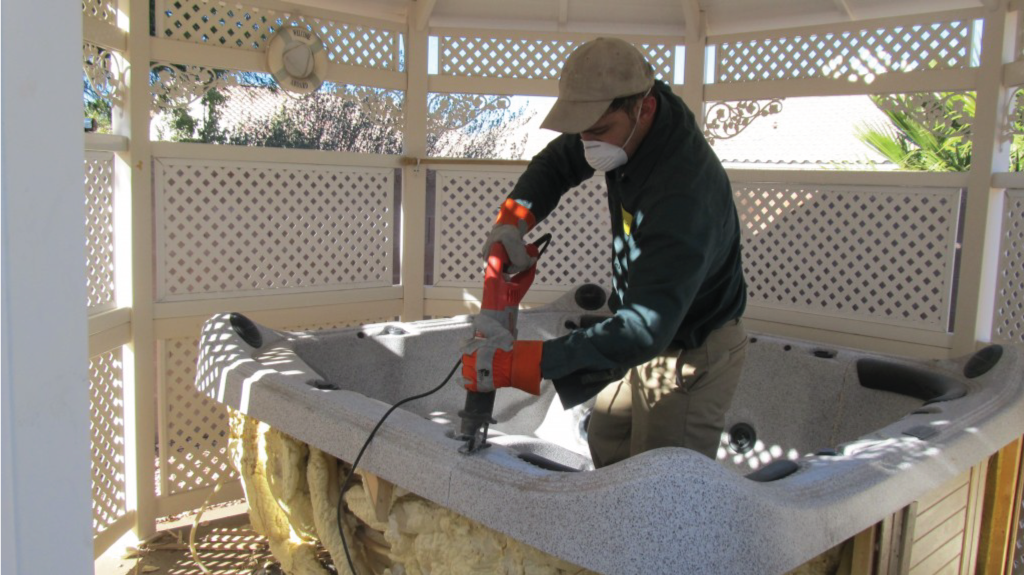
The challenge is usually not just the amount of material. It is the labor. Mattresses, carts, furniture, tarps, clothing, broken household goods, wood, cardboard, and scattered trash can take hours to bag, lift, load, and transport. Leaving those tasks to maintenance staff can pull them away from their regular work and may create avoidable safety concerns.
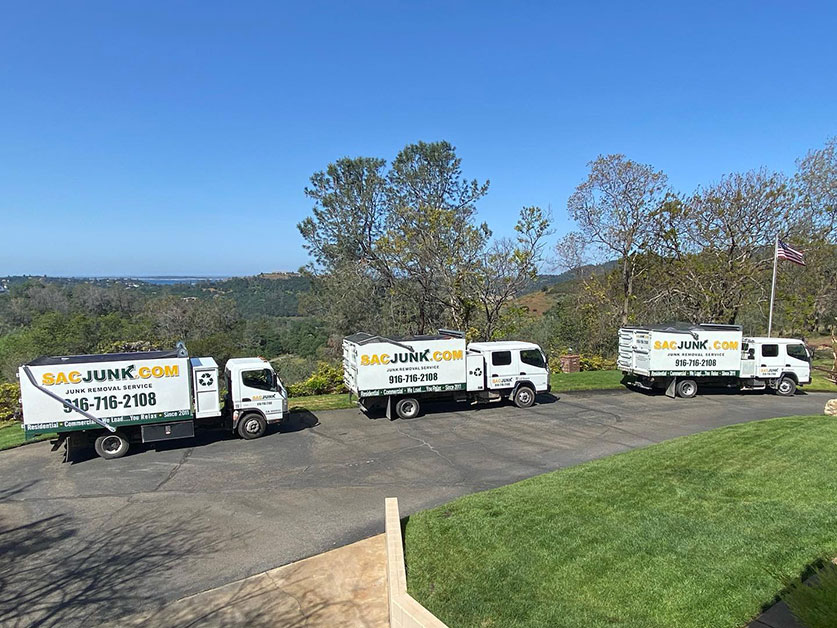
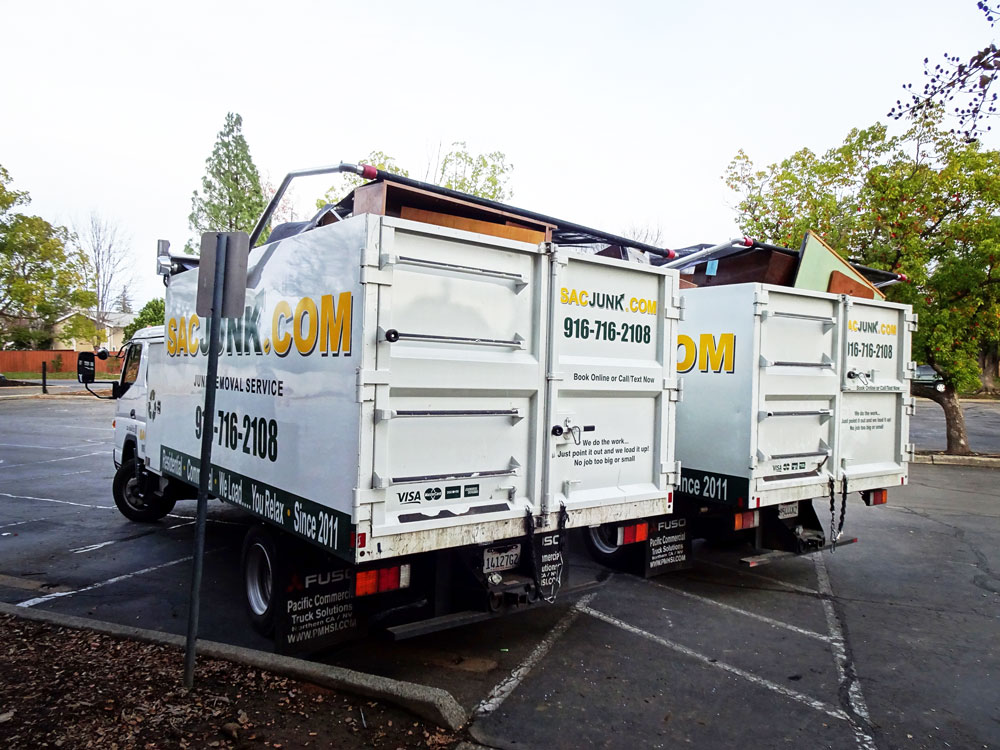
A full-service crew brings the people, truck space, and hauling equipment needed to move non-hazardous debris from the site. That is especially useful when the material is spread across a large area or when access requires multiple loading runs.
Start With Authorization and Safety
Before scheduling a homeless camp cleanup service, make sure the cleanup is authorized by the property owner, property manager, municipality, or other responsible agency. Private property and public areas can have different procedures, notice requirements, and rules regarding personal belongings. A hauling crew should not be asked to remove property from a site without clear authorization.
It also helps to walk the area before the crew arrives. Identify gates, loading access, parking restrictions, steep terrain, locked areas, and items that may require special handling. Good information upfront helps the job move faster and makes the on-site estimate more accurate.
What Standard Junk Hauling Can Remove
For approved sites, standard removal often includes common non-hazardous debris such as furniture, mattresses, bagged trash, cardboard, clothing, small household items, wood, plastics, metal, outdoor debris, and broken fixtures. If there is a shed, makeshift structure, or a large pile of bulky material, mention it when booking so the crew can plan for the labor and truck volume.
Material condition matters. Wet, loose, scattered debris takes longer to gather than boxed items or organized piles. The same is true for sites with limited vehicle access. Volume-based pricing is straightforward, but labor conditions and access can affect the final quote. A clear on-site price before work begins gives the property representative control over the decision.
What Requires a Specialized Response
Not every site is appropriate for standard junk removal. Needles, human waste, chemicals, medical waste, unknown liquids, propane tanks with concerns, asbestos-containing materials, and other hazardous items may require a licensed biohazard, hazardous-waste, or environmental remediation provider.
That distinction protects everyone involved. The fastest solution is not always the right solution if a site has contamination or safety risks. If you see questionable materials, document the issue, keep people away from the area, and arrange the proper specialty service before scheduling general hauling for the remaining debris.
How the Cleanup Process Works
Once authorization and site conditions are confirmed, cleanup should be simple. You book by phone or online and provide basic details about the location, debris type, access, and time sensitivity. The crew arrives within the scheduled window and provides a courtesy call before arrival.
At the property, the team reviews the material to be removed and gives an upfront quote based on how much truck space the approved non-hazardous debris will take. There is no need to guess at a dumpster size, rent equipment, or pay your staff to do all the lifting. Once the quote is approved, the crew loads the material, sweeps up loose debris where practical, and hauls it away.
For landlords and property managers, this process can be a major time saver. Instead of trying to coordinate a maintenance team, a dumpster company, and a separate hauling provider, one crew handles the physical removal from start to finish. For contractors, it helps keep a site clear so the next phase of work is not delayed by debris.
Why Fast Removal Helps Protect the Property
Delaying debris removal can create more problems than an untidy appearance. Large piles can block walkways, attract illegal dumping, interfere with landscaping, create complaints from neighbors or tenants, and make it harder to inspect fences, utility areas, or building exteriors. On commercial properties, it can also affect customer access and the overall impression of the site.
Quick cleanup does not mean cutting corners. It means having a crew that arrives ready to work, has enough hauling capacity, and understands that property operations cannot wait around for a slow cleanup. Same-day availability may be possible depending on the schedule, the size of the job, and the type of materials on site.
A repeat issue may also call for more than hauling. If debris keeps returning to the same location, property owners may need to improve lighting, secure gates, repair fencing, move dumpsters, increase inspections, or work with local outreach and property-security partners. Removal clears the immediate problem, but prevention often depends on the specific site.
Responsible Disposal After the Truck Leaves
Cleanup is only the first part of the job. Where possible, reusable materials should be separated from general waste, and recyclable items should be diverted instead of sent straight to a landfill. That approach is not possible for every item, particularly materials that are damaged, wet, or unsafe to reuse, but sorting still makes a difference on many cleanup projects.
Sac Junk donates and recycles up to 60% of the materials it removes when conditions allow. For a property owner, that means getting the site cleared without adding unnecessary waste to the landfill. It is a practical benefit, not a reason to let debris sit longer than necessary.
Prepare the Site for a Faster Pickup
A little preparation can help the crew finish more quickly. If possible, designate the approved removal area, unlock gates, reserve a nearby parking space, and have a property representative available to approve the estimate. You do not need to bag everything or move heavy items to the curb. That is what full-service hauling is for.
If some items must stay, mark them clearly or point them out during the walk-through. This is particularly important on properties where abandoned debris is close to maintenance supplies, tenant belongings, tools, or equipment. Clear instructions prevent confusion and help the crew focus on exactly what needs to go.
A clean property is easier to inspect, maintain, lease, and protect. When an authorized site needs non-hazardous debris removed, a dependable local hauling crew can take the hard work off your plate and help you get the area back under control.