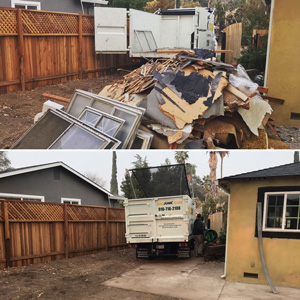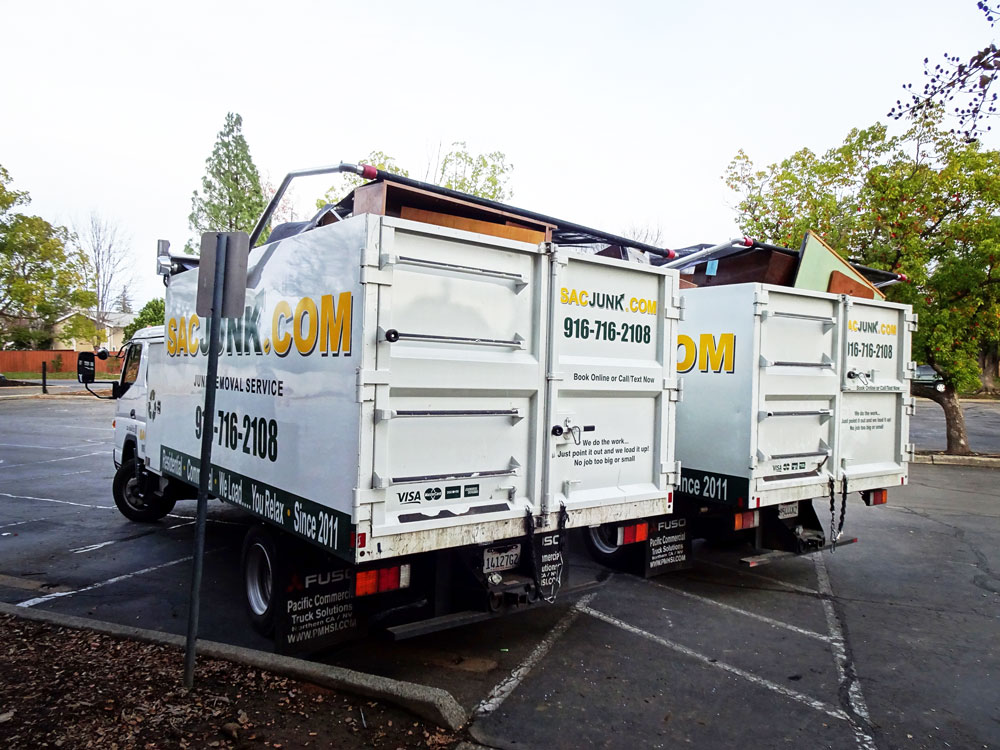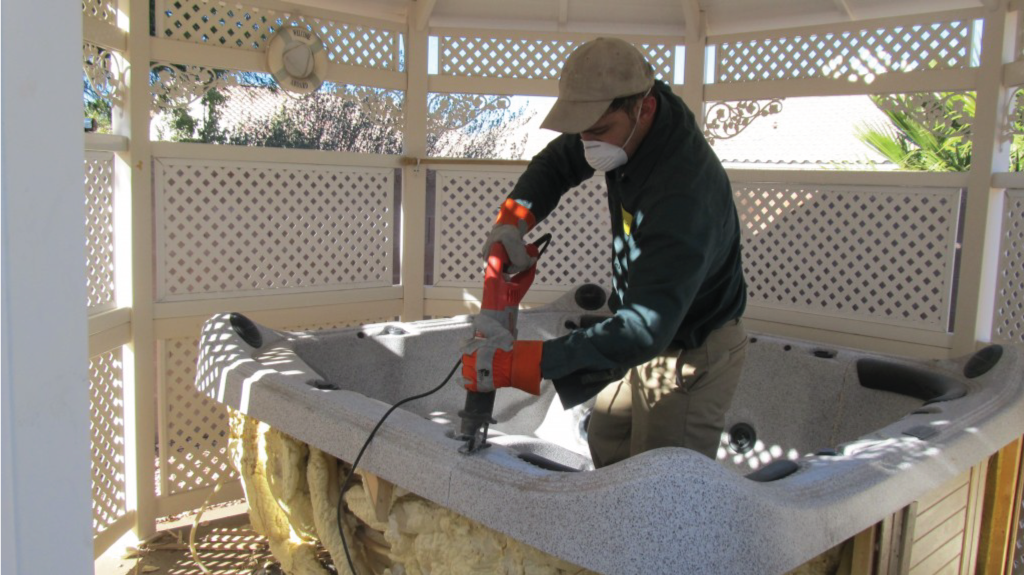
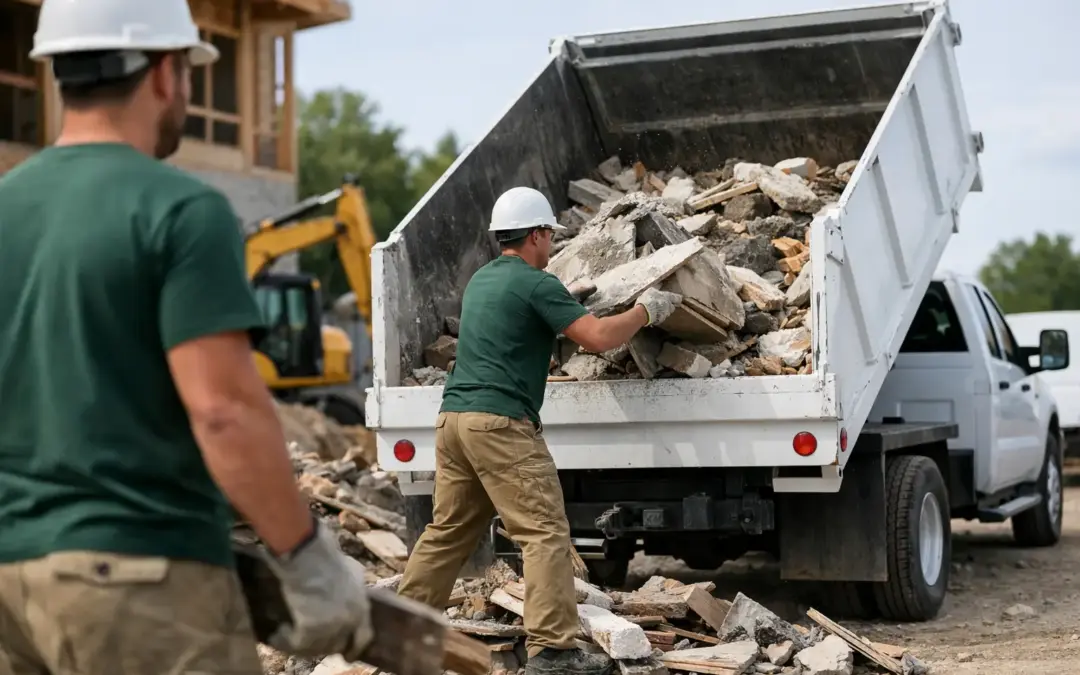
A job site can go sideways fast when debris starts stacking up. One overloaded corner turns into blocked access, slower crews, safety headaches, and a site that looks behind before the day is even over. That is why job site debris hauling is not just a cleanup task. It is part of keeping the whole project moving.
For contractors, property managers, and business owners, the real issue is not whether debris needs to go. It is how fast it can be removed, how much labor it will take off your plate, and whether the price makes sense without dragging your crew off productive work. When hauling is handled well, your team stays focused on the build, the demo, or the turnover instead of wasting half a day loading junk.
What job site debris hauling actually covers
On a real job site, debris is rarely one clean pile of identical material. It is usually a mix. You may have broken drywall, old cabinets, flooring, packaging, wood scraps, fencing, shelving, pallets, and general trash from a renovation or cleanout. On commercial sites, there may also be cubicles, fixtures, display materials, and warehouse junk mixed into the load.
That is where full-service hauling matters. Instead of dropping off a container and leaving you to do the lifting, a hauling crew comes in, loads the material, clears the area, and gets it off-site. For a lot of customers, that labor is the difference between a simple cleanup and a costly distraction.
It also helps when the debris is spread out. Some jobs have junk inside suites, behind buildings, in side yards, near loading docks, or across multiple units. A full-service crew can gather and remove debris from where it actually sits, not just from one easy-to-reach pile near the curb.
Why clean sites stay on schedule
There is a practical reason experienced contractors do not let debris linger. Messy sites slow down every trade that comes after.
If access paths are blocked, material deliveries get harder. If demolition debris is left in active work areas, crews spend extra time stepping around it or moving it twice. If a property turnover has junk left behind, the next stage – cleaning, painting, flooring, inspections – gets pushed back.
There is also the safety side. Loose debris creates trip hazards, sharp edges, and unstable stacks. Nobody wants a preventable injury because scrap material was left where people walk and work. A clean site is easier to manage, easier to inspect, and easier to hand off to the next crew.
That does not mean every site needs daily hauling. Sometimes one large pickup at the end of demo makes the most sense. Other times, especially on active renovations or multi-phase projects, smaller recurring pickups keep things under control. It depends on the size of the site, how fast debris is generated, and how much usable space you can afford to lose.
When full-service hauling beats a dumpster
Dumpsters have their place. If you are producing heavy debris every day and have room to keep a container on-site, a dumpster can be the cheaper option over time. But that is not every project.
For many jobs, full-service job site debris hauling is the better fit because it removes the labor burden. You do not need your crew spending hours carrying junk to a container, figuring out load placement, or making repeat trips from upper floors, back lots, or narrow access areas. The hauling team does the lifting and loading.
It can also be a smarter choice when space is tight. On smaller commercial properties, rental properties, urban lots, and occupied sites, there may be no good place to park a dumpster without blocking parking, access, or normal operations. A truck-based hauling service gets in, loads out, and leaves.
Then there is the timing factor. Some sites need quick cleanup without the hassle of permits, container rental periods, or pickup delays. If the goal is to clear debris now and get on with the job, full-service hauling is often the more efficient route.
What affects pricing on a debris haul
Most customers want the same answer first: what is this going to cost?
The honest answer is that pricing depends on volume, material type, access, and labor. If debris is already staged in one easy pile, the job is simpler than hauling material down stairs, out of multiple units, or across a large property. Clean wood scraps and packaging are different from mixed renovation debris with heavier, bulkier items.
Volume-based pricing is usually the clearest model because you pay for the amount of truck space your debris takes up. That keeps the quote tied to what is actually being removed, instead of vague estimates or surprise fees later. On-site quotes also help because the crew can see the real conditions before giving a final price.
If you are comparing providers, do not just compare the number. Check what is included. Some hauling services include loading, cleanup, and disposal in one price. Others add fees for labor, distance, or specific items. The cheaper quote is not always cheaper once the work starts.
How to prepare for job site debris hauling
You do not need to overthink it, but a little preparation makes pickup faster.
If possible, separate out anything that is staying on-site so there is no confusion. Keep hazardous materials out of the debris pile unless you have already confirmed they can be handled, because most junk hauling services focus on non-hazardous material. Make access clear if gates, lockboxes, or building managers are involved. And if timing matters, say so upfront. A crew can work more efficiently when they know whether the priority is speed, staging, or clearing a specific area first.
It also helps to be realistic about the debris. Customers sometimes describe a load as a small pile when it includes bulky items, soaked material, or scattered junk across a wide area. A good quote depends on accurate information. Photos help. A clear description helps more.
Common job sites that benefit most
Debris hauling is useful anywhere material is piling up faster than your team should deal with it. That includes home renovation projects, office remodels, retail build-outs, warehouse cleanouts, rental turnovers, foreclosure cleanup, and post-demo property cleanup.
In Sacramento and nearby areas, it is especially common on fast-turn rental work and commercial cleanouts where owners need a space cleared without slowing down leasing, construction, or reopening. On those jobs, speed matters almost as much as price.
The best hauling jobs are not always the biggest ones. Sometimes the highest-value pickup is the one that clears one blocked loading area, one demolished kitchen, or one yard full of fencing and scrap so the next phase can start.
What to expect from a reliable hauling crew
A professional crew should make the job easier right away. That means showing up when promised, calling ahead, walking the site with you, and giving a clear quote before work starts. Once approved, they should handle the lifting, loading, and basic cleanup without needing your crew to supervise every step.
Good service also means being straightforward about what they can and cannot take. Not every material belongs in a general junk load, and a reliable company will tell you that upfront. That saves time and avoids problems later.
It is worth asking what happens to the debris after pickup too. Not everything belongs in a landfill. Recyclable and reusable materials should be sorted when possible. That matters for environmental reasons, but it also says something about how a company operates. A local company like Sac Junk has more reason to care about where material ends up because this is the same community it works in every day.
Choosing the right hauling partner for repeat work
If you run multiple sites or manage ongoing property turnovers, consistency matters more than flashy marketing. You want a company that answers the phone, shows up fast, prices work clearly, and can handle both small pickups and larger cleanouts without making the process complicated.
The best hauling partner is not always the one with the biggest fleet. It is the one that understands the pace of field work. Crews need access cleared. Owners need spaces turned. Property managers need junk gone before the next tenant, inspection, or contractor arrives. The right company gets that and works like time matters.
When debris starts slowing down the job, cleanup stops being optional. It becomes part of production. Getting it hauled out quickly is one of the simplest ways to protect your schedule, your crew, and the space you are trying to finish.