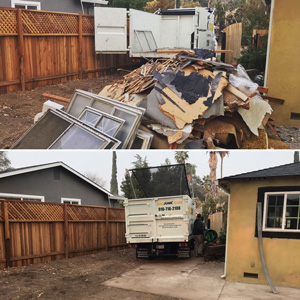
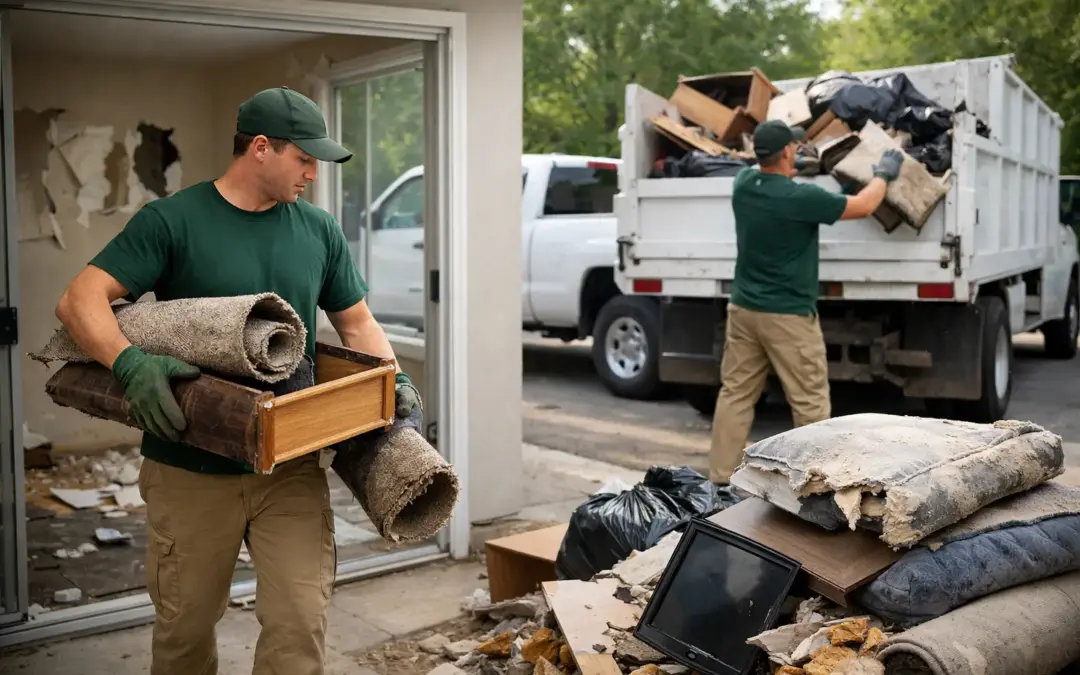
A damaged rental can sit empty longer than it should because the mess gets in the way of the real work. Junk hauling after tenant damage removes the broken furniture, ruined belongings, loose debris, and abandoned items that keep contractors, cleaners, and inspectors from getting started. For Sacramento landlords and property managers, a fast cleanout is often the first practical step toward getting a unit repaired, documented, and ready for the next tenant.
The goal is not to throw everything into a truck as fast as possible. The right approach protects your records, avoids legal trouble with tenant property, and clears the space efficiently once you are ready to move forward.
Start With Documentation, Not Removal
When a tenant leaves damage behind, the urge to clear it all out immediately makes sense. A smashed couch, torn carpet, dumped bags, damaged cabinets, or debris in the backyard can make a property feel impossible to assess. Before removal begins, take clear photos and video of every room, closet, garage, patio, and exterior area.
Document the damage from wide angles and close up. Capture serial numbers when appliances, HVAC components, or other equipment are affected. Make a written list of what was left behind and what appears damaged. This record can support security deposit accounting, insurance claims, repair bids, or a dispute later on.
If the former tenant may still have a legal claim to belongings left in the unit, do not assume everything is trash. California rules around abandoned personal property can apply even after a move-out or eviction. Check your lease terms and follow the required notice and storage process before authorizing disposal. A junk crew can remove approved items, but it should not be asked to make legal decisions about what belongs to whom.
Separate the Junk From the Repair Scope
A cleanout goes faster when the removal crew and repair team know exactly what is being handled. Some materials are clearly junk: broken mattresses, unusable furniture, bagged household trash, damaged shelving, old clothing, food-spoiled items, and loose garage clutter. Other items may need a contractor, restoration company, or specialty vendor first.
For example, water-damaged drywall may need inspection for moisture or mold before demolition. Fire damage can leave behind materials that require specialized handling. Broken glass, sharp metal, and exposed nails need careful loading. Paint, solvents, chemicals, batteries, propane tanks, and other hazardous materials should be identified ahead of time because standard junk removal does not cover every hazardous item.
It also helps to keep salvageable property separate. A solid wood table with a stained top may be worth donating or refinishing, while a soaked particleboard dresser is usually not. Sorting decisions can affect the total load size, the speed of the job, and how much material can stay out of the landfill.
Common items removed after a damaged tenancy
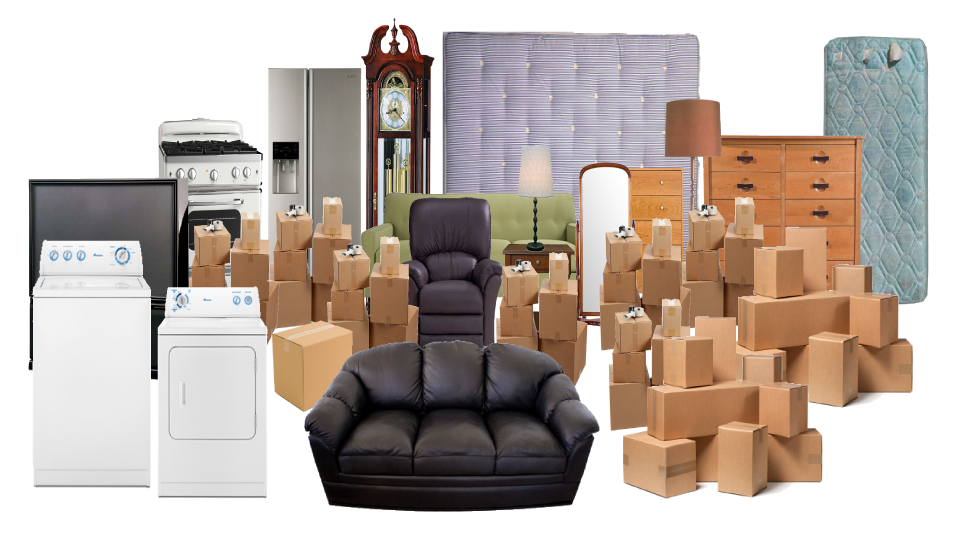
After approval to remove items, full-service hauling can typically clear furniture, mattresses, appliances, electronics, bagged trash, carpet scraps, damaged fixtures, yard waste, boxes, shelving, and general household debris. Crews can also handle garage cleanouts, patio piles, sheds, and dumpster enclosure overflow when those areas were part of the problem.
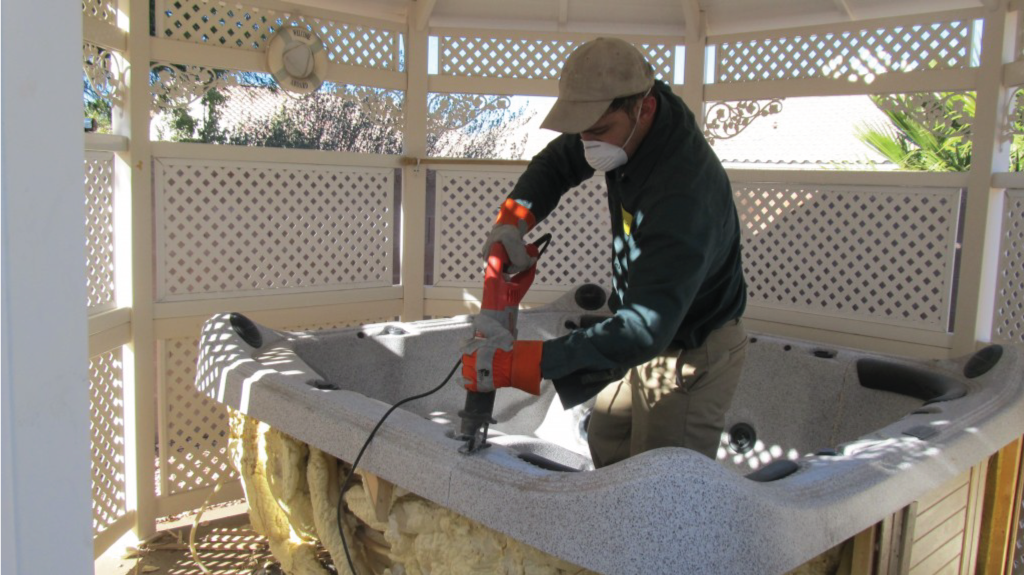
Large pieces should not be dragged through a unit by a maintenance worker who is already stretched thin. Heavy lifting can cause injuries, wall damage, and extra labor costs. A hauling crew brings the labor to remove bulky items safely and load them out without turning one damaged unit into a damaged hallway.
Build a Cleanout Plan Around the Turn Schedule
Every vacant day costs money. Still, rushing the order of work can create rework. The best sequence depends on the condition of the unit, but most damaged rentals benefit from a simple workflow: document the condition, secure any required approvals for abandoned property, remove junk, complete deep cleaning and repairs, then schedule final inspection and turnover work.
Junk removal should happen before new flooring, paint touch-ups, and final cleaning whenever possible. It is harder to move a ruined sofa through a freshly painted doorway or across newly installed flooring. Clearing the unit first gives contractors room to see the actual condition of walls, baseboards, subfloors, cabinets, and plumbing fixtures.
For a larger property, designate one person to make decisions on site. That person should know what stays, what goes, and which areas are off limits. A color-coded tag or simple written note can prevent a good appliance, maintenance supplies, or personal documents from being loaded by mistake.
Keep evidence and valuables out of the truck
Set aside documents, mail, keys, access devices, medication, financial records, and anything that could be evidence of damage or illegal activity. If you find suspected illegal items, weapons, or material connected to a crime, contact the appropriate authorities instead of handling it as routine junk.
The same goes for personal photos, legal papers, and clearly valuable items. Even when disposal is allowed, a brief review can prevent an avoidable mistake. Once the keep items are staged in a separate room or marked area, the hauling crew can focus on the approved load.
What Affects Junk Hauling Cost
Most full-service junk removal is priced by how much space the material takes up in the truck, not by how many individual pieces are on the floor. Labor, loading, hauling, and responsible disposal are generally part of the quote. That gives landlords and managers a clearer picture than trying to rent a dumpster, coordinate loading help, and make multiple dump runs.
The final price can vary based on volume, weight, access, and material type. A first-floor unit with bagged debris and a few broken furniture pieces is different from a third-floor walk-up packed with wet carpet, appliances, and a garage full of abandoned belongings. Tight stairways, long carry distances, and unusually heavy materials can also affect the job.
Ask for an on-site quote before work begins. A professional crew should explain the price, identify any items they cannot take, and wait for approval. That matters after tenant damage because the scope can look different in person than it did in a few phone photos.
Why Full-Service Hauling Helps Property Managers
Maintenance teams are valuable, but their time is usually better spent repairing units, not hauling broken couches and trash bags. Assigning them to a large cleanout can delay repairs across the property and expose staff to lifting injuries or unsafe debris.
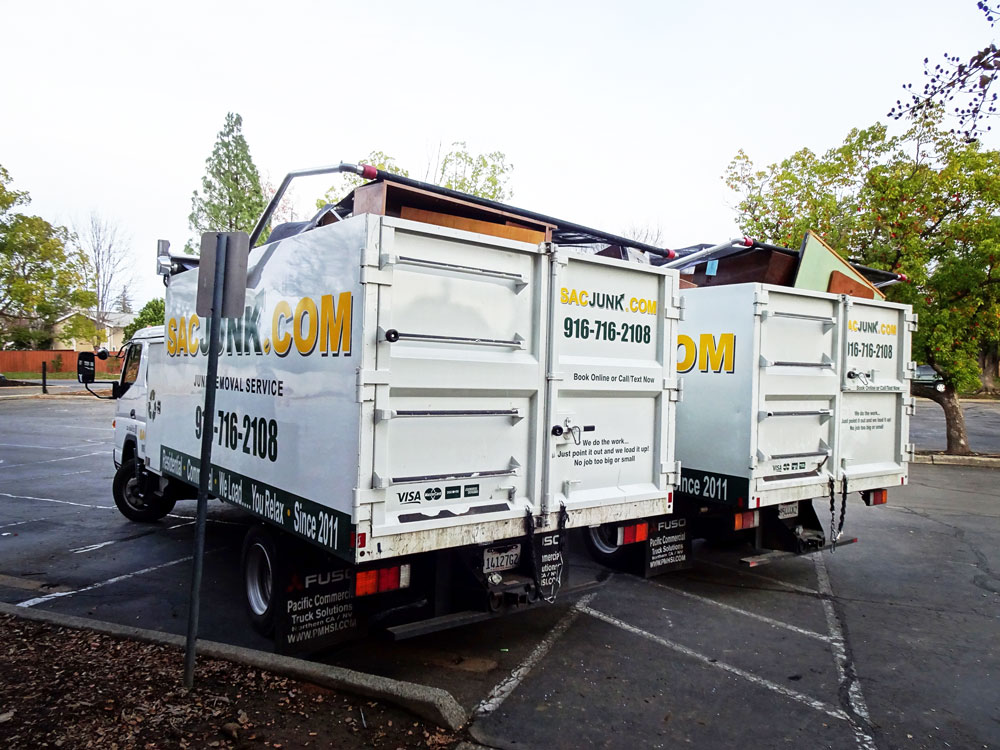
A full-service crew handles the physical part: lifting, loading, hauling, and basic sweep-up of the cleared area. That lets property managers coordinate vendors, communicate with owners, and keep the turnover moving. For urgent rental cleanouts in Sacramento and nearby communities, Sac Junk can provide a straightforward on-site quote and do the heavy lifting after approval.
Responsible disposal matters, too. Materials that can be donated or recycled should not automatically become landfill waste. Usable furniture, metal, electronics, and certain appliances may have a better destination when they are separated from contaminated or unsalvageable debris. It depends on condition, local disposal requirements, and what can safely be recovered.
Questions Landlords Often Ask
Can junk be removed before repairs are estimated?
Usually, yes, and it often makes estimates more accurate. Contractors can inspect the full extent of damage after clutter, furniture, and debris are out of the way. Just complete your documentation and confirm that any abandoned-property requirements have been handled first.
Can a junk crew remove tenant belongings after an eviction?
Only after the property owner or manager confirms that removal is authorized. The hauling company is there to remove approved material, not determine whether an item is legally abandoned. When in doubt, store the items and get guidance before scheduling disposal.
What if the unit has mold, chemicals, or biohazards?
Tell the removal company before the appointment. Standard hauling is for non-hazardous junk. Mold remediation, chemicals, medical waste, sewage, and other hazardous conditions may require a specialized provider before a general cleanout can happen.
A damaged unit does not need to stay blocked by old furniture, trash, and debris while the rest of the turnover waits. Clear the approved material, give your repair team room to work, and move the property one solid step closer to being rentable again.