A tenant has moved out, the next showing is on the calendar, and the unit still has a broken couch, bags of trash, an old mattress, and a garage full of leftovers. That is when junk removal for landlords becomes more than a cleanup task. It is a turnover problem that can delay repairs, photos, showings, and rent.
Landlords do not need another job on move-out day. They need a crew that can arrive on time, give a clear price, do the lifting and loading, and leave the property ready for the next step. Whether you own one Sacramento rental or manage a full portfolio, fast removal keeps a messy vacancy from turning into an expensive one.
Why Junk Removal for Landlords Protects Turnaround Time
Vacant days cost money. A pile of abandoned belongings can stop painters from working, block a flooring installer, fill a dumpster enclosure, or make a unit look worse than it is. Even a clean property can lose momentum when bulky items are sitting in the driveway, backyard, or curb area.
The goal is not simply to haul away junk. The goal is to clear the space so maintenance, cleaning, inspections, and leasing can happen without waiting on each other. A full-service removal crew handles the physical work in one visit, which means your maintenance team is not spending its day dragging furniture down stairs or trying to figure out where to dispose of a damaged refrigerator.
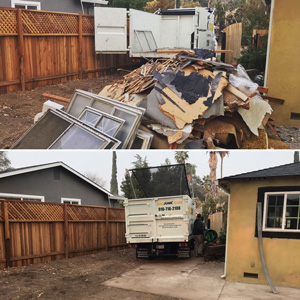
That matters most after a difficult move-out. Former tenants may leave behind furniture, clothes, kitchen items, boxes, mattresses, yard waste, or debris in storage areas. Some situations involve a complete house cleanout, while others are limited to a few large items. The right service should be able to handle either without making you rent a dumpster, find labor, and arrange a separate haul.
What Landlord Junk Removal Can Take
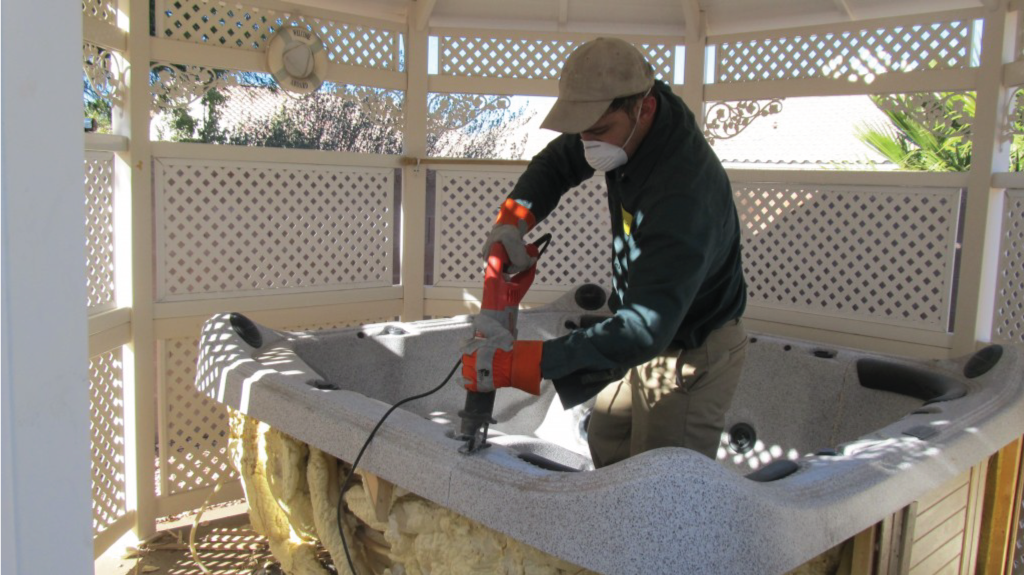
Most rental-property cleanouts involve ordinary, non-hazardous material that is too bulky or too time-consuming for a landlord to move alone. This can include couches, tables, dressers, bed frames, appliances, mattresses, electronics, bagged trash, cardboard, clothing, shelving, and garage clutter.
Outdoor areas are often the last place tenants clean. Crews can also remove branches, green waste, old patio furniture, broken fencing, loose lumber, and shed contents. For multifamily properties, dumpster enclosure cleanup can prevent overflow and keep common areas from becoming an eyesore for current residents and prospective renters.
Some items require a different disposal plan. Hazardous waste, chemicals, paint, fuel, explosives, and certain regulated materials should not be mixed into a standard junk load. If you are unsure about an item, ask before booking. A quick conversation can prevent a wasted trip and help you find the proper disposal option.
Handle Abandoned Property Carefully Before Hauling
Speed matters, but so does following the right process. California landlords should not treat every item left in a unit as immediate trash. Depending on the situation, abandoned personal property may require notice, storage, or other steps before disposal. The rules can vary based on the value of the property, the tenancy, and the circumstances of the move-out.
Before scheduling removal, document the unit with photos and video. Make a clear inventory of items left behind, especially valuables, personal documents, medication, or anything that could create a dispute later. Confirm that you have completed any required notice period and that the property is legally ready to be removed.
Once that step is complete, do not let the cleanup drag on. A prepared crew can work from your direction, remove the approved material, and clear the areas that need access. For an occupied unit or a sensitive situation, make sure the person authorizing removal is available and has authority to make decisions on-site.
A practical turnover checklist
Before the removal crew arrives, it helps to have four things ready:
- Confirm which items are approved for removal and which items must stay.
- Set aside documents, keys, access devices, and anything your team needs to keep.
- Provide gate codes, parking instructions, and unit access details.
- Let the crew know about stairs, tight hallways, elevators, or unusually heavy items.
These details keep the job moving and reduce surprises when the truck arrives.
Why Full-Service Removal Beats Doing It Yourself
A landlord can often load a pickup truck, but the real cost is rarely the dump fee. It is the time spent finding help, lifting awkward furniture, making multiple trips, protecting walls and stairwells, and cleaning up afterward. One injury, scratched floor, or missed contractor appointment can cost more than bringing in professionals from the start.
Dumpster rental is another option, but it works best when you have a large, ongoing volume of debris and space to place a container. For a typical unit turnover, a dumpster can sit on-site longer than needed, create access issues, and still leave your team responsible for loading it. Full-service hauling is usually the better fit when you want the items gone now and do not want to supply the labor.
Junk removal also gives you flexibility. A single abandoned sofa and mattress may need a quick pickup. A trashed rental, storage unit, garage, or backyard may need a larger cleanout. Volume-based pricing is useful because you pay for the space your items take in the truck, rather than trying to guess the right dumpster size in advance.
What a Smooth Pickup Looks Like
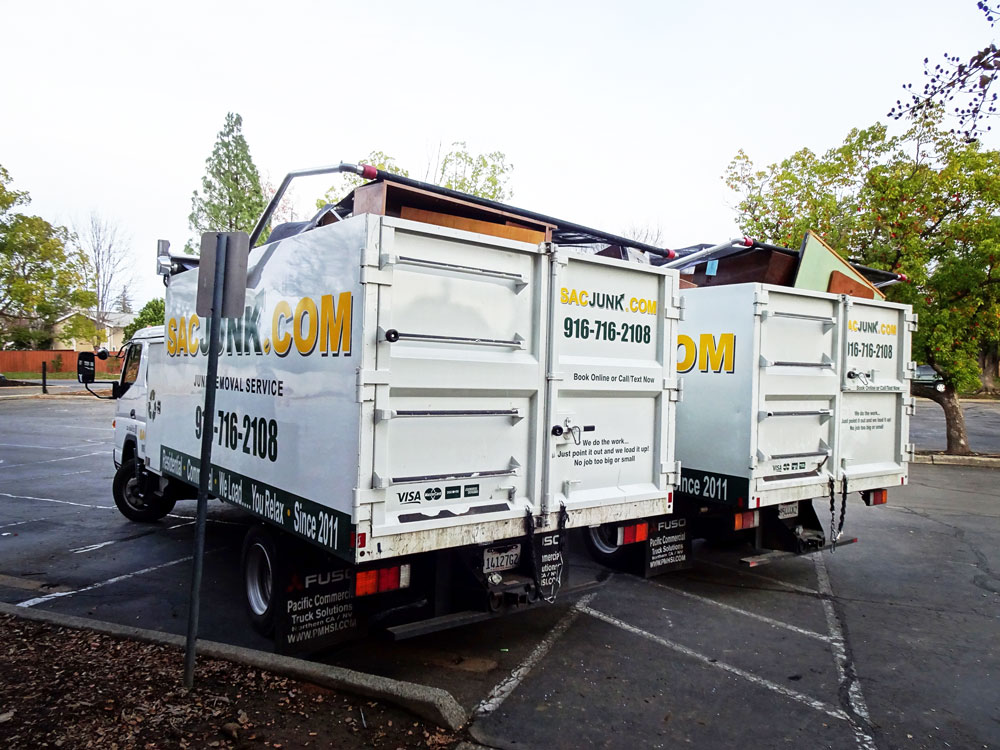
A dependable removal process should be simple. Book by phone or online, describe the job, and arrange a time that works around your inspection or contractor schedule. A courtesy call before arrival helps you avoid waiting around at an empty property.
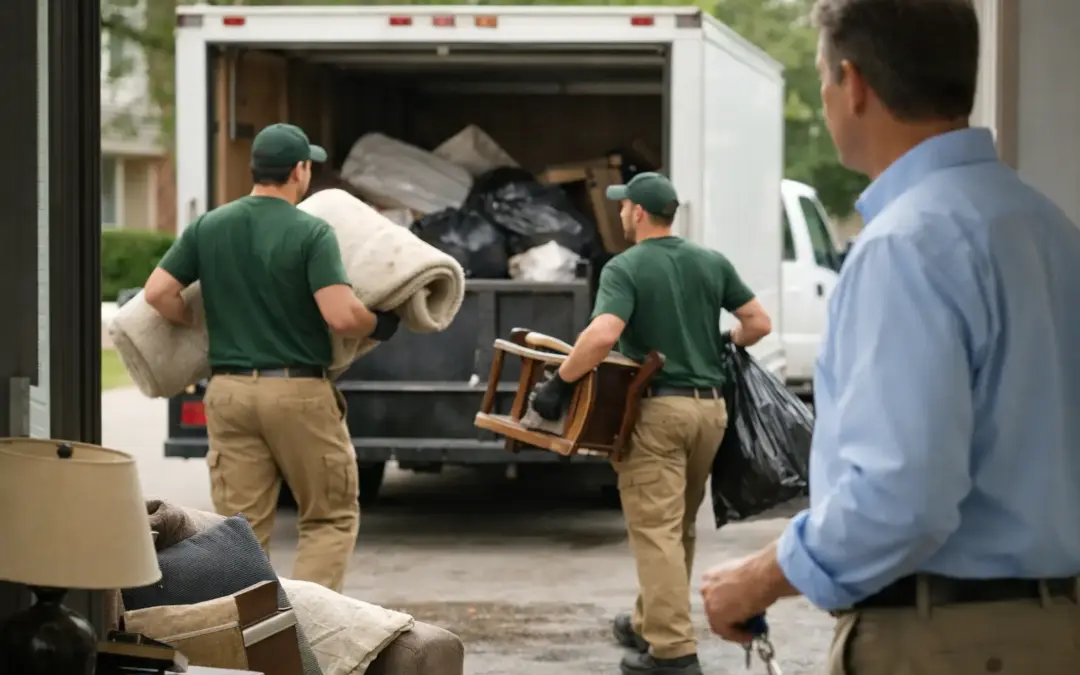
When the crew arrives, show them what needs to go. They assess the volume and provide an upfront quote before work begins. If you approve it, they handle the lifting, loading, hauling, and basic sweep-up of the cleared area. There should be no mystery about who is carrying that heavy sleeper sofa down a second-floor stairwell. It is the crew’s job, not yours.
For landlords and property managers with repeat needs, consistency is as valuable as speed. Keep notes on access instructions, approved contacts, parking limitations, and recurring trouble spots such as dumpster areas or storage rooms. That preparation makes future pickups faster, particularly across multiple properties.
Ask These Questions Before You Book
Price should be clear, but price alone does not tell you whether a hauling company is right for your rental. Ask whether labor, loading, hauling, and disposal are included in the quote. Confirm that the crew can handle the items and property conditions involved, including appliances, mattresses, yard debris, stairs, and enclosed spaces.
It is also smart to ask how reusable items are handled. Donation and recycling can reduce landfill waste when materials are in acceptable condition, though not every item can be diverted. Sac Junk donates and recycles up to 60% of removed materials when possible, helping landlords clear properties responsibly without slowing down the turnover.
Finally, choose a company that understands urgency without promising the impossible. Same-day service can be a major advantage when availability allows, but larger cleanouts, restricted access, or complicated move-out situations may need scheduling. A straightforward answer is better than a vague promise that leaves your property waiting.
Clear the Unit, Then Keep the Turnover Moving
The best time to schedule removal is as soon as you know the property is legally cleared and the unwanted items are identified. Do not wait until the cleaner, painter, or new tenant is already blocked by a pile of debris. Get the space cleared, take fresh photos, and hand the unit to the next crew with a clean slate.
A fast pickup will not solve every turnover issue, but it removes one of the most visible and labor-heavy obstacles. When the junk is gone, your rental can get back to doing what it is supposed to do: earning rent.