A garage packed with broken furniture, old paint-splattered shelving, and boxes nobody has touched in years usually turns into a weekend project that never gets finished. That is why junk removal Sacramento customers look for is not really about trash – it is about getting space back fast, without throwing out your back or wasting half a day figuring out where everything goes.
If you are hiring a junk removal crew for the first time, the biggest question is usually simple: what exactly happens after you book? The answer matters whether you are clearing out a rental, cleaning up a job site, getting rid of a mattress, or emptying a warehouse corner that has become permanent storage. A good service should make the process easy, price it clearly, and handle the heavy lifting from start to finish.
How junk removal Sacramento service should work
The process should feel straightforward from the first call. You book online or by phone, set a pickup window, and get a courtesy call before the crew arrives. Once they are on-site, they look at what needs to go, give you a quote based on how much space the load takes up, and only start after you approve the price.
That approval step matters. Nobody wants a vague estimate over the phone followed by a surprise total once everything is loaded. Volume-based pricing is usually the cleanest way to handle junk removal because it ties the price to the amount of truck space your items use, not to guesswork.
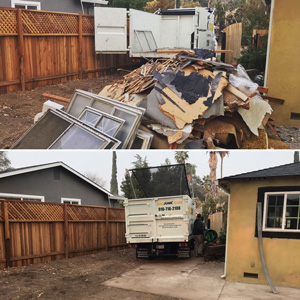
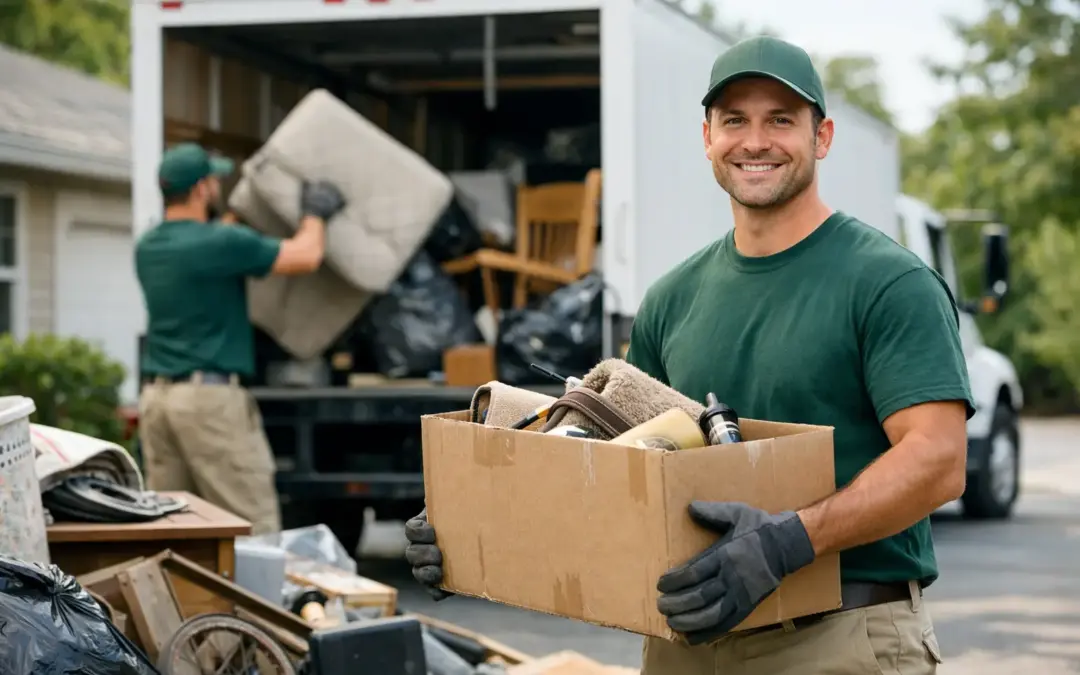
After that, the job should be fully hands-off for you. The crew removes the items from wherever they are – garage, backyard, upstairs bedroom, office suite, storage room, curbside pile, or warehouse floor. They lift, load, haul, and do a basic sweep-up of the area before leaving.
What a full-service crew should actually take
A lot of people wait too long to book because they assume their situation is too big, too messy, or too specific. In reality, most non-hazardous junk is fair game if the crew is set up for real hauling work.
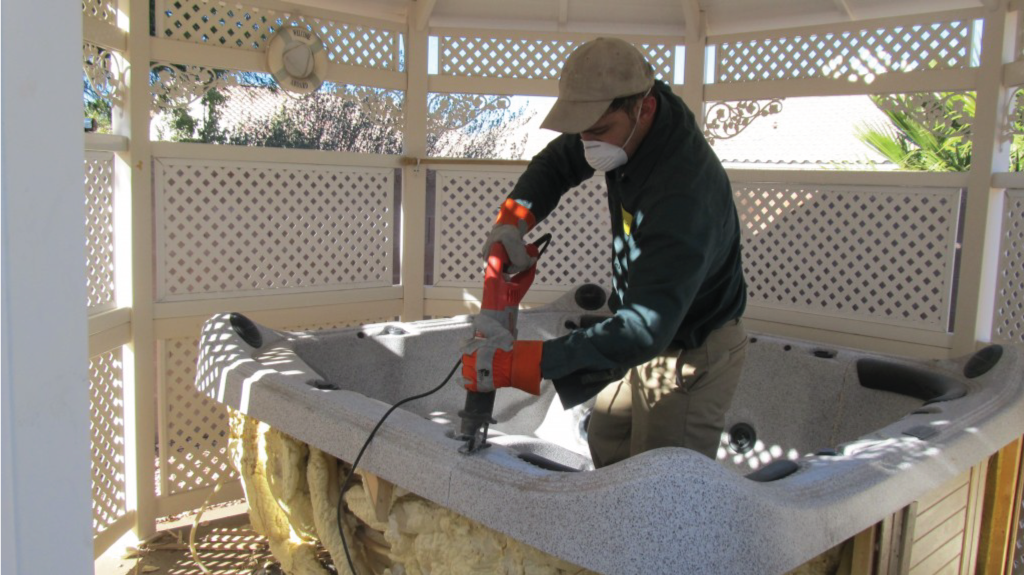
That includes furniture like couches, dressers, sectionals, desks, and dining sets. It includes appliances, mattresses, yard debris, renovation leftovers, office cubicles, old retail fixtures, and piles of general clutter from move-outs or evictions. It can also include bulky outdoor items like sheds, hot tubs, and debris around dumpster enclosures.
Commercial customers usually need more than a basic pickup. Offices need furniture and cubicle removal without tying up staff. Property managers need units cleared quickly between tenants. Contractors need post-job cleanup that keeps a site moving. Warehouse operators need accumulated junk gone without assigning their crew to do hauling work they were not hired to do.
There are limits, and that is where honesty matters. Hazardous waste, certain chemicals, and some regulated materials require specialized disposal, so a reputable company should tell you clearly what it can and cannot take.
Pricing should be easy to understand
If pricing feels confusing, that is usually a red flag. Most customers do not need a complicated formula. They need to know what drives the cost and whether labor is included.
For most junk removal jobs, the main factor is volume – how much of the truck your load fills. Weight can also matter in some cases, especially with dense materials like concrete, dirt, or heavy construction debris. Then there is access. A couch sitting in a driveway is easier to remove than one wedged down a narrow upstairs hallway.
The key is transparency. You should know before the crew starts whether the quote includes pickup, loading, hauling, and cleanup. It should not turn into a menu of extra fees just because the items are heavy or the job takes real labor.
That is one reason local operators often appeal to Sacramento customers. A locally owned company is more likely to keep pricing practical, stay flexible, and treat the job like a service call instead of a franchise script. That does not automatically mean every local company is cheaper, but it often means you get a more direct answer and a crew that is accountable to the community it works in.
When same-day service matters most
Not every junk pickup is an emergency, but a lot of them are time-sensitive. A landlord with a tenant move-out, a business preparing for a delivery, or a homeowner trying to finish a cleanup before family arrives usually cannot wait a week.
Same-day or next-day availability makes a real difference in those situations. It keeps projects moving and prevents clutter from turning into a bigger problem. Piles attract more piles. One broken dresser in the garage turns into old paint cans, scrap wood, and busted chairs before long.
Urgency also matters for commercial properties. Overflow near dumpsters, abandoned items behind retail spaces, or debris around work areas can create safety issues and a bad impression fast. The right crew should understand that speed is not just convenient – sometimes it protects your schedule, your tenants, or your customers.
Why labor-inclusive removal saves more than money
People sometimes compare junk removal to renting a dumpster or hauling items themselves. Sometimes that works. If you have light debris, plenty of time, and enough people to lift safely, a DIY approach can make sense.
But it depends on the job. Full-service junk removal is usually the better call when the items are bulky, the cleanup is inside the property, or the timeline is tight. You are not paying only for disposal. You are paying to avoid the lifting, loading, transport, sorting, and cleanup.
That is a big deal with mattresses, refrigerators, office furniture, and multi-room cleanouts. It is also a big deal for older homeowners, busy property managers, and contractors who need their crews focused on skilled work, not junk hauling. The value is convenience, but it is also safety and time.
Responsible disposal matters more than people think
Once the truck pulls away, most customers just want the junk gone. That makes sense. Still, where it goes matters.
A better junk removal company does not treat everything like landfill material. Usable items can often be donated. Metal, cardboard, appliances, and other recyclables can often be sorted and processed instead of dumped. That reduces waste and keeps more material out of local landfills.
For customers in Sacramento, that is not just a nice extra. It is part of choosing a company that actually operates with some local responsibility. If a crew can donate and recycle a meaningful portion of what it removes, the service does more than clear space – it handles the job in a way that is better for the community.
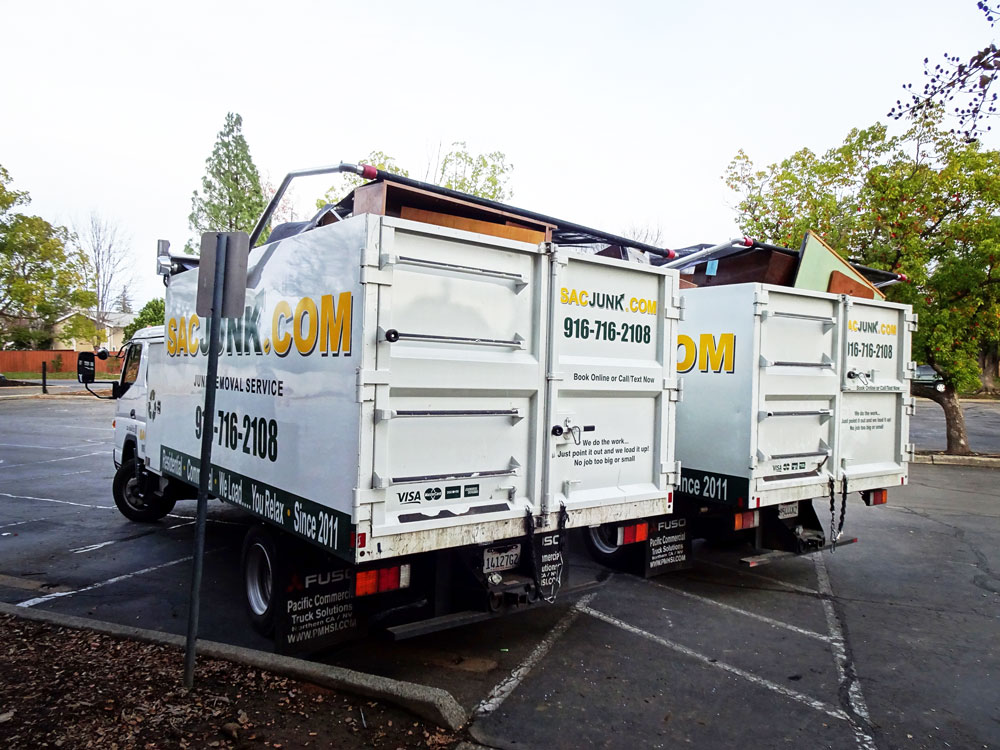
Sac Junk built part of its reputation on exactly that approach, combining fast pickup with an effort to recycle and donate as much material as possible.
Residential and commercial jobs are not the same
One mistake customers make is assuming every hauling company handles every type of job equally well. A crew that is fine for a single couch pickup may not be the right fit for a warehouse cleanout or a property turnover with tight deadlines.
Residential jobs usually center on convenience. Homeowners and renters want old furniture removed, garage clutter gone, yard debris picked up, or help during a move, remodel, or estate cleanout. They care about speed, respectful crews, and not having damage done to walls, floors, or doorways.
Commercial jobs are more operational. Businesses need reliability, coordination, and crews that can work efficiently without disrupting staff or tenants. Property managers want a vendor who shows up when scheduled and clears the space completely. Contractors want hauling support that keeps jobsites from getting bogged down.
The best company for both types of work knows how to adjust. A house cleanout needs care around personal property. An office cleanout needs pace and coordination. A retail or warehouse cleanup needs manpower and a clear plan.
What to ask before you book
You do not need to overcomplicate the hiring process, but a few questions can save you time. Ask whether labor is included, how pricing is calculated, whether the crew removes items from inside the property, and what materials they cannot take. If timing matters, ask about same-day availability before you lock in the job.
It also helps to mention access issues upfront. Stairs, long carries, locked gates, narrow hallways, or large items that may need to be broken down can affect the job. A professional crew can usually handle those situations, but they should know what they are walking into.
Photos can help too, especially for larger cleanouts. They make it easier to estimate truck space and crew needs, which usually leads to a smoother appointment.
When junk is taking over usable space, waiting rarely improves the situation. The right move is usually the simple one: book the pickup, approve the quote, and let a crew do the hard part so you can get back to using the property the way you need to.