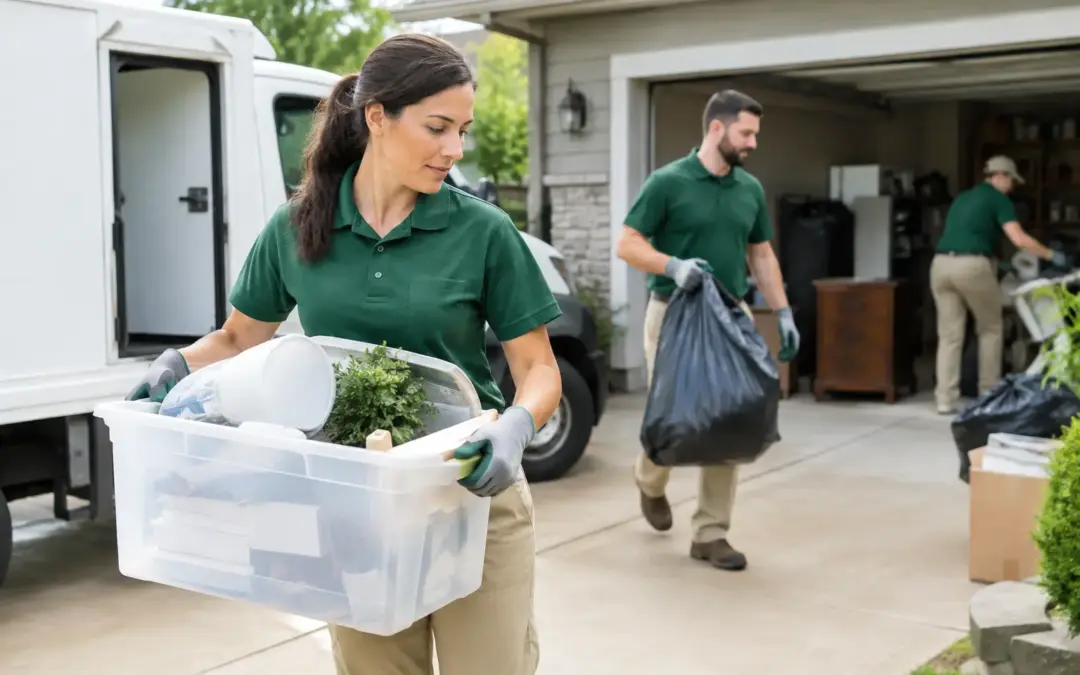
A hoarding cleanup is not the same as cleaning out a crowded garage. Rooms may have blocked exits, unstable piles, spoiled food, pest activity, mold, damaged flooring, or heavy furniture that has not moved in years. To manage hoarding cleanup safely, start by treating the property like a serious cleanup project, not a weekend chore you can rush through with a few trash bags.
The goal is to make the home safer and more usable without creating new risks for the person living there, family members, neighbors, or anyone helping with the work. A clear plan, the right help, and a realistic pace can turn an overwhelming situation into a manageable one.
Start With Safety, Not Sorting
Before anyone starts moving boxes or opening bags, walk through the property carefully. Look for blocked doors, narrow pathways, weak flooring, ceiling damage, exposed wiring, leaks, sharp objects, and stacked items that could fall. If an exit is blocked, clearing a safe path to the door should be one of the first priorities.
Do not climb over piles or reach blindly into containers. A stack of magazines can hide broken glass, medication, pests, needles, or animal waste. Heavy items may also shift unexpectedly once surrounding clutter is removed.
If there is a strong odor, visible mold, animal remains, human waste, sewage, suspected chemicals, or large amounts of pest waste, pause the project. Those conditions may require specialty cleaning, pest control, remediation, or local public health guidance before standard junk removal can begin. A hauling crew can remove non-hazardous items, but hazardous materials and active biohazard conditions need the right professionals first.
Use Basic Protective Gear
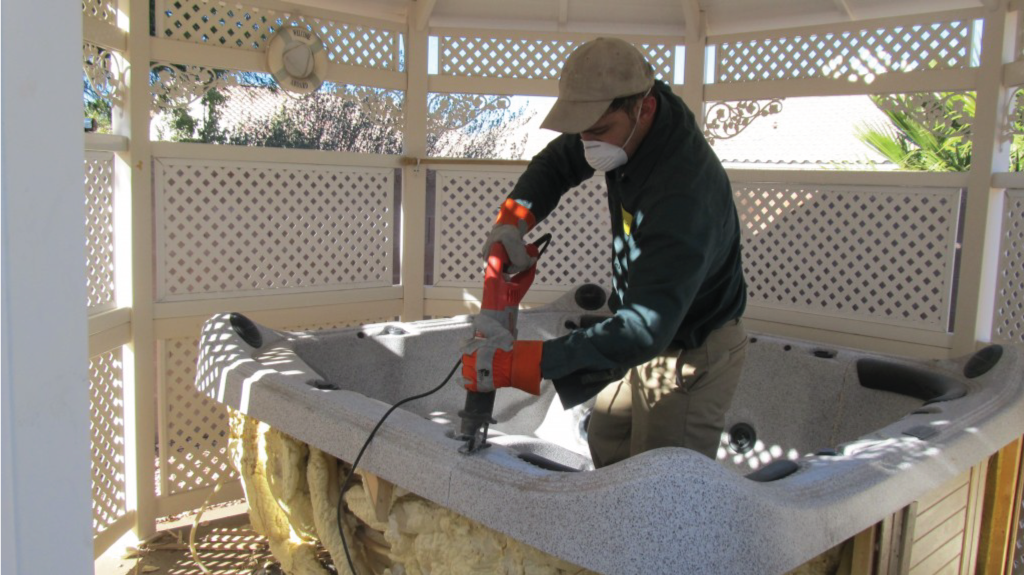
Even a relatively dry, organized cleanup can expose workers to dust, dirt, insects, and sharp debris. Wear closed-toe work boots with sturdy soles, durable gloves, long pants, and long sleeves. Safety glasses help when moving dusty items from shelves, garages, sheds, or packed closets.
A well-fitted mask is also a smart choice when dust, mildew, or rodent droppings may be present. Change gloves if they tear, and wash hands before eating, drinking, or touching your face. Keep children, pets, and anyone with breathing issues out of the work area.
Ventilation matters, but use common sense. Opening windows can help reduce stale air if conditions are safe. Do not create a bigger problem by opening a damaged window, disturbing visible mold, or running fans that spread dust through the house.
Make a Plan Before You Touch the Piles
The fastest way to lose control of a hoarding cleanup is to pull everything into the middle of a room and decide later what to do with it. That creates trip hazards, blocks access, and makes it harder to see progress.
Start with one small, defined area: a clear path from the front door, a bathroom, a kitchen counter, or a single section of a bedroom. Choose an area that improves daily safety or access first. Clearing the entire house at once is rarely realistic, especially when belongings have accumulated over many years.
Set simple categories before work begins: keep, donate, recycle, trash, and review later. The “review later” category is useful when an item may have sentimental or financial value but cannot be decided on immediately. Limit that category, though. If every item becomes “later,” the cleanup stalls.
For documents, photos, IDs, legal papers, cash, jewelry, family keepsakes, and medications, create a secure holding area away from the work zone. Important items can get tossed by accident when people are tired and trying to move quickly.
Work in Short, Controlled Sessions
Hoarding cleanup is physically demanding and emotionally draining. Long, high-pressure workdays often lead to arguments, poor decisions, dehydration, and injuries. Short sessions with clear goals are safer and more productive.
For example, the day’s goal might be to clear a three-foot walkway, remove damaged furniture from one room, or fill one section of a truck with obvious trash and broken items. That is better than saying, “We need to clean the whole house today.”
Take regular breaks, drink water, and stop before exhaustion sets in. Sacramento summers can make garages, sheds, attics, and packed homes dangerously hot. If there is no safe place to stand, walk, or take a break, the cleanup may need more labor, more equipment, or a professional crew.
Avoid Common Injury Traps
Many injuries happen when helpers try to save time. Do not drag overloaded bags up stairs, lift furniture alone, or twist while carrying boxes through narrow halls. Use a dolly for appliances, dressers, and large loads whenever possible, but only if there is a clear route.
Be especially cautious with old TVs, mattresses, filing cabinets, broken chairs, and furniture that may be water-damaged. These items can be awkward, heavier than expected, or structurally weak. If a pile is leaning, work from the top down only when it is stable enough to do so. Never pull items from the bottom of a tall stack.
Also, do not compact unknown trash bags with your hands or feet. Sharp objects and contaminated materials can puncture the bag. Use sturdy containers for broken glass and clearly label anything that should not be handled casually.
Respect the Person, Not Just the Property
A hoarding situation can involve grief, trauma, anxiety, isolation, or a strong attachment to possessions. Family members may feel frustrated because the home has become unsafe, while the person living there may feel ashamed, pressured, or afraid of losing control.
Direct confrontation usually makes the process harder. Focus on safety and practical outcomes instead of criticizing the amount of clutter. Phrases like “Let’s make a clear path to the bathroom” or “Let’s remove the damaged items first” are more useful than arguing over every object.
Whenever possible, let the resident participate in decisions about personal belongings. That does not mean every item must stay. It means the cleanup is more likely to hold when the person feels heard and has a role in the process. If the home presents an immediate fire, fall, sanitation, or access hazard, safety still has to come first.
Know When to Bring in Professional Help
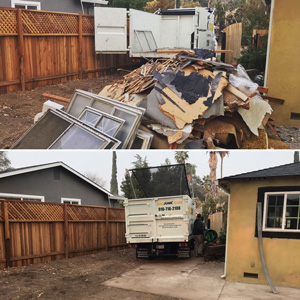
A professional junk removal crew can make a major difference once the area is safe for standard hauling. Full-service removal means you do not need to recruit friends, rent a truck, carry heavy items down stairs, or make repeated trips to disposal facilities. The crew handles lifting, loading, hauling, and cleanup after you approve the on-site quote.
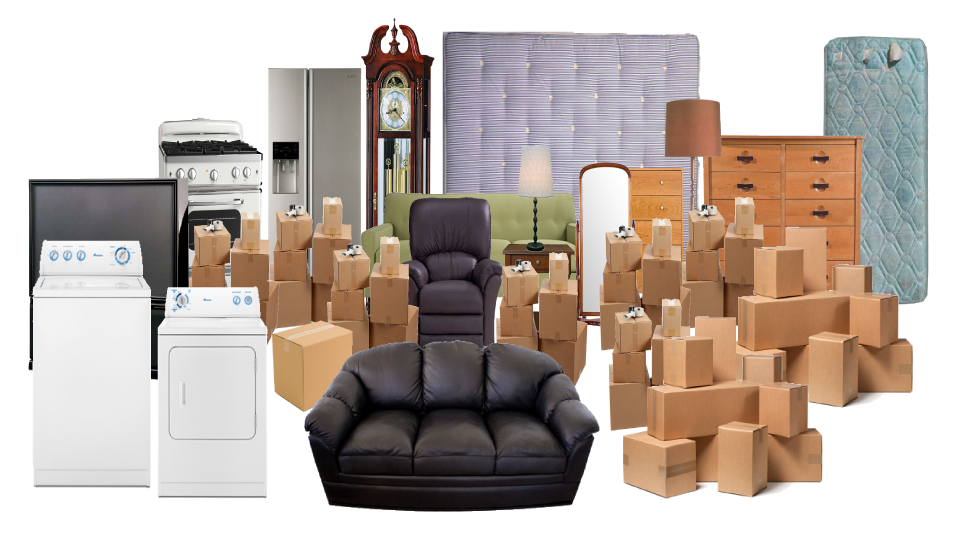
Professional hauling is particularly useful for large furniture, mattresses, appliances, bagged household junk, garage debris, shed contents, and rental-property cleanouts. It can also keep a project moving when a landlord needs to turn a unit, a family is preparing a home for sale, or an estate needs to be cleared on a deadline.
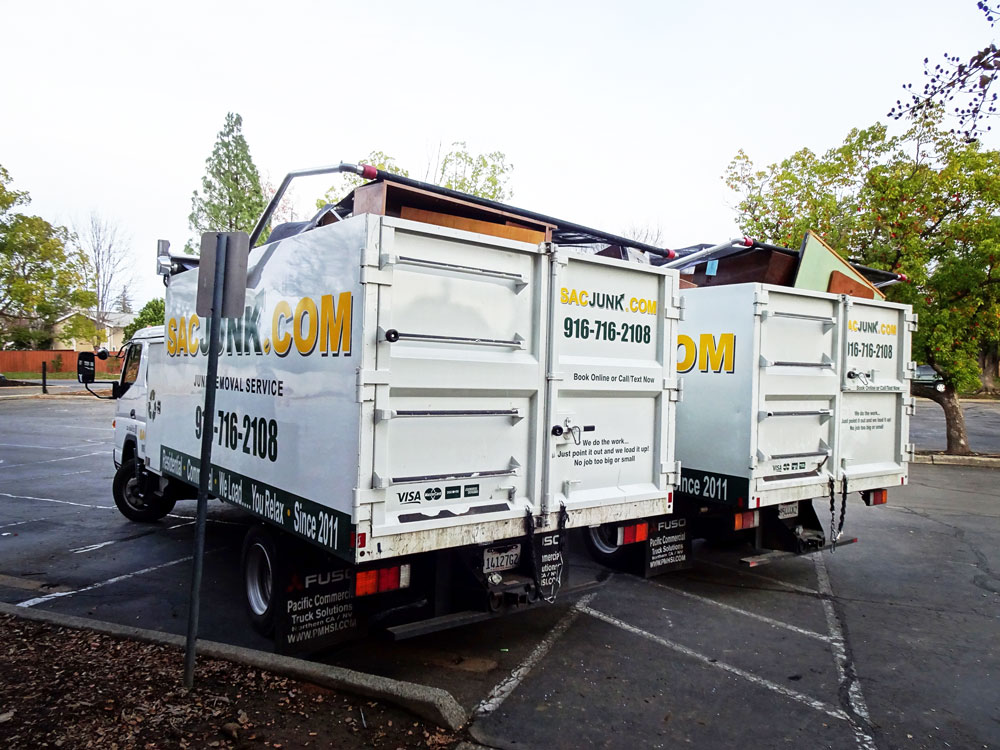
Sac Junk serves Sacramento-area customers with labor-inclusive junk removal and volume-based pricing, so you can clear what is ready without guessing how many pickup loads you will need. Items that can be donated or recycled may be separated from landfill-bound junk whenever conditions allow.
Keep in mind that hauling is only one part of the job. If the property has active infestations, hazardous waste, extensive mold, structural damage, or biohazards, coordinate the proper specialty services first. A reputable removal company should be clear about what it can safely take and when another type of contractor is needed.
Keep the Space From Filling Back Up
The last truckload is not always the end of the process. Once a room is cleared, make it easier to keep clear. Remove extra storage containers, broken shelving, and unused furniture that invite new piles. Give frequently used items a specific home, and avoid bringing in more items until the space is stable.
For families and property managers, schedule a follow-up check rather than waiting until clutter becomes unmanageable again. A small pickup every few months is usually easier, safer, and less expensive than another full-property cleanout.
The right next step is the one that makes the property safer today: clear an exit, remove damaged items, protect important documents, or get experienced labor on site. Start there, keep the pace realistic, and let each cleared area create room for the next one.