A refrigerator that is still full of food, a washer with water in the lines, or a range that is still connected can turn a simple pickup into a delay. When you prepare appliances for removal before the crew arrives, the job moves faster, your home stays cleaner, and everyone can work more safely.
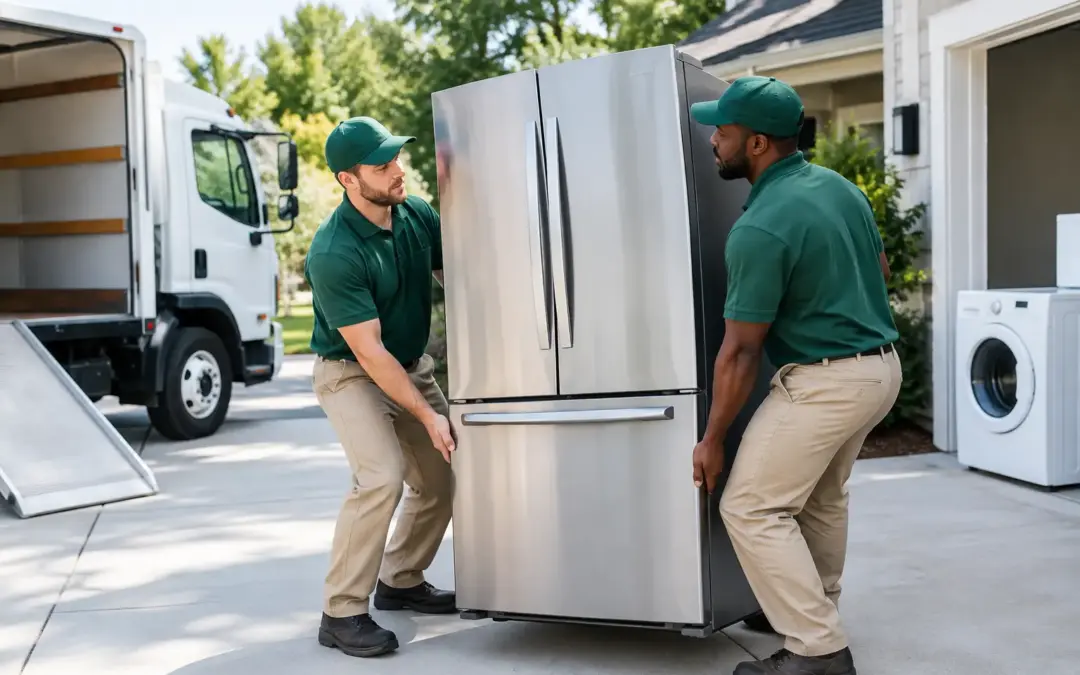
The good news is that most appliance prep takes less time than people expect. You do not need to drag anything to the curb or wrestle a heavy unit through the house. A full-service removal crew handles the lifting, loading, and hauling. Your job is to make the appliance safe, accessible, and ready to go.
Start With the Appliance Type
Not every appliance needs the same preparation. A small microwave or countertop unit is usually straightforward: empty it, unplug it, and set it aside where the crew can reach it. Large appliances need more attention because they may contain water, gas connections, refrigerant, or loose parts that can shift during transport.
Before pickup day, identify what you are removing and check whether it has an active utility connection. Refrigerators, freezers, washers, dryers, dishwashers, ovens, ranges, water heaters, and air conditioners can all require different steps. If you are unsure whether an appliance is fully disconnected, do not guess or force it. A licensed plumber, electrician, or gas professional may be needed first.
This is especially true for built-in appliances. A dishwasher secured under a countertop or a wall oven wired into a cabinet is not a standard grab-and-go item. Have it professionally disconnected and released from the surrounding cabinetry before scheduling removal whenever possible.
How to Prepare Appliances for Removal Safely
The basic rule is simple: empty it, disconnect it correctly, clean up any moisture, and clear the path to it. Those steps prevent spills, bad odors, damaged floors, and last-minute surprises.
Empty Every Compartment
Remove food, dishes, laundry, filters, lint, detachable shelves, and personal items. Check drawers, freezer compartments, detergent trays, and storage bins carefully. Old receipts, magnets, medication, and small kitchen tools have a way of getting left behind.
For a refrigerator or freezer, move food to a cooler or another working appliance well before removal day. Do not leave perishable food inside for the crew to discover. For a washer, look inside the drum and detergent dispenser. For a dryer, remove lint from the trap and any loose items from the drum.
If you are removing a stove or oven, take out cookware, oven racks, and the broiler pan if you want to keep them. If those items are going too, placing them inside the oven after it is disconnected can keep the pickup area organized.
Unplug and Disconnect Utilities the Right Way
Electric appliances should be unplugged before the crew arrives. Pull the plug from the outlet rather than yanking on the cord. If the cord is trapped behind a heavy appliance, leave the unit in place and let the removal crew move it carefully once it is safe to do so.
Water-connected appliances need more preparation. Turn off the water supply to a washing machine, dishwasher, ice maker, or refrigerator water line. Run a short cycle or use the drain hose as appropriate to release remaining water. Have towels ready because even a properly drained machine can hold a small amount of water in its hoses or pump.
Gas appliances require a different level of caution. Do not disconnect a gas line yourself unless you are qualified to do that work. Arrange for a licensed professional to shut off and cap the line. Afterward, confirm there is no gas odor around the appliance. A removal crew can haul a disconnected range or dryer, but utility disconnection should be completed before arrival.
Defrost Refrigerators and Freezers Early
Defrosting is one of the most overlooked steps in appliance removal. A freezer with built-up ice can leak heavily when it is tilted, leaving water across your kitchen, garage, or entryway. Plan to unplug the unit at least 24 hours before pickup, and allow additional time for a heavily iced freezer.
Place towels or a shallow tray under the appliance as it defrosts. Once the ice is gone, wipe the interior dry and leave the doors open for a few hours. This helps prevent mold and the stale smell that develops quickly inside a closed, unplugged refrigerator.
Do not puncture, cut, or tamper with cooling lines. Refrigerators, freezers, dehumidifiers, and air conditioners can contain refrigerant and should be handled through the proper removal process. Let the hauling company know what type of unit you have when booking so the job can be planned correctly.
Secure Loose Parts and Doors
Appliance doors can swing open while a unit is being carried down stairs or through a narrow hall. Remove loose shelves and trays if they are likely to slide out. For doors, use painter’s tape or another light, removable tape to keep them closed. Avoid heavy-duty tape that can leave adhesive behind on floors or appliance surfaces.
Do not permanently lock an appliance door, especially on an old refrigerator or freezer. If it will be stored before pickup, keep it in a place where children cannot access it. Safety comes first when an appliance is no longer in use.
Make a Clear Route for the Removal Crew
The fastest pickups happen when the path from the appliance to the truck is ready. You do not have to move the appliance yourself, but take a look at the route the crew will use. Move shoes, boxes, rugs, planters, and small furniture out of the way. Open gates, unlock garage doors, and keep pets in a separate room or secure yard.
Tell the crew about stairs, tight turns, elevators, long driveways, or low-clearance areas before they arrive. This does not mean the job cannot be done. It simply helps the team bring the right equipment and plan the safest route. For apartment, condo, and commercial pickups, reserve elevator access or loading-zone space if your building requires it.
If the appliance is in a garage, shed, basement, or backyard, make sure there is enough room to reach it. A pathway that looks clear to a homeowner can still have hazards such as wet concrete, uneven pavers, hanging branches, or stacked storage bins. A quick cleanup around the item saves time and helps protect your property.
Decide What Stays and What Goes
Removal day is easier when every item is clearly marked in your mind before the truck arrives. If you have an old refrigerator going out but want to keep the chest freezer beside it, say so before loading begins. The same applies to shelving, dollies, cords, cabinets, or scrap materials near the appliance.
For landlords and property managers, take photos of the appliance and surrounding area before removal if you need documentation for a turnover file. Contractors should separate reusable materials from debris before the crew arrives. That makes it easier to get an accurate on-site quote based on what is actually being hauled.
Keep manuals, receipts, or warranty paperwork only if you still need them. Once an appliance is removed, those documents are usually no longer useful. If you are replacing a unit under a manufacturer program, confirm whether the retailer needs the serial number or proof of disposal first.
Do Not Make Heavy Lifting Part of Your Prep
Many people try to save time by pulling an appliance away from the wall or dragging it outside. That can scratch flooring, damage a doorway, strain your back, or create a worse access problem. Appliances are awkward, top-heavy, and often heavier than they look.
If you can safely unplug a small unit and place it near the door, that is fine. For large appliances, leave the moving to the hauling crew. Sac Junk provides the labor for appliance pickup, so there is no reason to risk an injury trying to get a washer down a stairway or a refrigerator over a threshold on your own.
What to Tell the Hauling Company When You Book
A clear description helps prevent surprises and makes pricing more accurate. Share the appliance type, approximate size, location, and any access issues. Mention whether it is in a second-floor apartment, behind a gate, in a tight utility closet, or connected to water or gas.
Also mention extra items you want removed at the same time. Combining an appliance pickup with old furniture, mattresses, garage clutter, or renovation debris can be more convenient than scheduling separate jobs. The crew can assess the full load on-site before you approve the price.
For Sacramento-area homeowners, renters, landlords, and businesses, a few minutes of preparation can turn a bulky appliance problem into a quick, clean pickup. Empty the unit, handle utilities safely, clear the route, and let the removal crew take care of the heavy work.