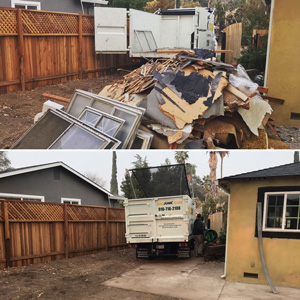

A trashed side yard, a garage packed with broken furniture, or a rental left behind with piles of junk can stall everything. If you need property debris Natomas cleanup, speed matters – but so does having a crew that shows up, gives a clear quote, and actually handles the heavy lifting.
In a neighborhood like Natomas, debris problems usually come with a deadline. A landlord needs to turn a unit. A homeowner wants the mess gone before repairs start. A contractor needs scrap and leftover materials out of the way so the next phase can move. Waiting around for bag-by-bag cleanup or making multiple dump runs wastes time and adds stress fast.
What property debris Natomas service usually includes
Property debris is a broad term because the mess is rarely just one thing. On one job, it might be yard waste, fencing, and old patio furniture. On another, it could be boxes, broken appliances, mattresses, shelving, carpet, and general household junk from a move-out or eviction.
That is why full-service removal tends to be the best fit. Instead of renting a dumpster, dragging everything to the curb, and figuring out disposal on your own, a hauling crew comes onto the property, gathers the debris, loads it, and cleans up the area before leaving. For busy property owners and managers, that difference matters.
This kind of service is useful for residential lots, rental homes, apartment turnovers, commercial properties, office cleanouts, and outdoor areas that have become dumping grounds. It also works well when debris is spread across multiple spots instead of stacked neatly in one pile.
Why fast cleanup matters in Natomas
Debris does more than look bad. It slows down repairs, makes properties harder to show, creates trip hazards, and can attract complaints from neighbors or tenants. In some cases, it can also delay inspections or hold up a sale.
Natomas has a mix of single-family homes, rental properties, retail spaces, and active construction and maintenance work. That means cleanup needs vary, but the pressure is similar – get the space cleared so the next step can happen. A homeowner may be preparing for landscaping. A property manager may be trying to get a vacant unit rent-ready. A business may need a back lot cleaned before regular operations can continue.
The longer debris sits, the more expensive it can become. Labor gets harder when material is wet, scattered, or buried under more junk. Pests, weather, and illegal dumping can turn a manageable cleanup into a bigger job.
The jobs that turn into major debris problems
Some debris piles build slowly. Others happen all at once. Move-outs are a common example. Tenants leave behind furniture, bagged trash, food waste, broken household items, and random loose debris in the yard, garage, or side area. What looks small in photos can take a full crew and truck space once the work starts.
Renovation debris is another big one. Even when contractors keep a site fairly organized, materials stack up quickly. Drywall scraps, wood, cabinets, flooring, fixtures, and packaging can clog a workspace and make the property harder to use safely. Not every crew wants to stop and haul their own debris, especially when labor is better spent finishing the job.
Outdoor neglect causes a different kind of mess. Fallen branches, old fencing, rotted sheds, yard waste, and bulky junk left outside can make a property look abandoned. For owners trying to protect curb appeal or get ahead of code issues, getting that material removed quickly is often the smartest move.
Property debris Natomas removal vs doing it yourself
There is a time for DIY cleanup, and there is a time to call a hauling crew. If you have two trash bags and an hour to spare, handling it yourself may be fine. If the debris includes heavy items, mixed materials, or enough volume to need a truck, the math changes.
Doing it yourself usually means sorting, lifting, borrowing help, finding a vehicle, protecting that vehicle, driving to disposal sites, paying dump fees, then repeating the process until the property is clear. That can take an entire day or several trips. It also puts the physical risk on you.
A full-service junk removal crew is built for exactly this kind of work. They know how to remove bulky items from tight spaces, load efficiently, and clear a site without turning it into a bigger mess. For landlords, contractors, and property managers, that saved time often matters more than anything else.
What to expect from a full-service debris pickup
The best cleanup jobs are simple from the customer side. You book the appointment, get a call when the crew is on the way, show them what needs to go, and approve the quote before anything is loaded. After that, the crew handles the labor.
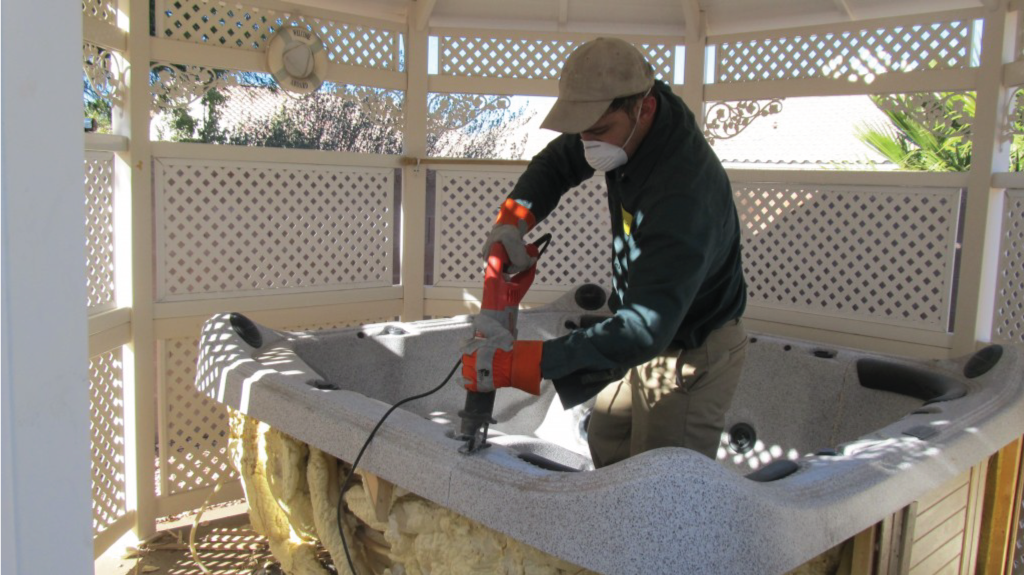
That labor piece is where the real value is. You should not have to drag old couches, busted cabinets, yard debris, and trash bags into one pile just to get service. A professional crew removes items from where they sit, loads the truck, and does a final sweep of the area.
Pricing is usually based on how much space the debris takes in the truck, not on how long the crew sweats. That gives customers a more straightforward way to understand cost. If the pile is bigger than expected, you can address it on-site instead of getting surprised later.
What can usually be removed
Most non-hazardous debris can be hauled away in one pickup. That often includes furniture, mattresses, appliances, yard waste, construction debris, fencing, carpet, shelving, boxes, bagged trash, office junk, warehouse clutter, and general property cleanout material.
The key phrase is non-hazardous. Paint, chemicals, asbestos, and other hazardous materials usually require specialized disposal. A good hauling company will tell you that upfront instead of pretending everything can go in the truck.
That honesty matters because cleanup jobs often involve mixed debris. A property owner may have a pile of safe-to-remove junk with a few restricted items mixed in. Knowing what can be taken right away helps keep the project moving.
Choosing the right crew for debris removal
Not all junk removal companies handle property debris the same way. Some are basically curbside pickup with a truck. Others are true labor crews that go onto the property, lift, sort, load, and clean up behind themselves.
If you are comparing providers, look for clear pricing, fast scheduling, and a team that is used to move-outs, rental turnovers, yard cleanups, and job site debris. Local operators often have an edge here because they know the area, they care about repeat business, and they are easier to reach when timing matters.
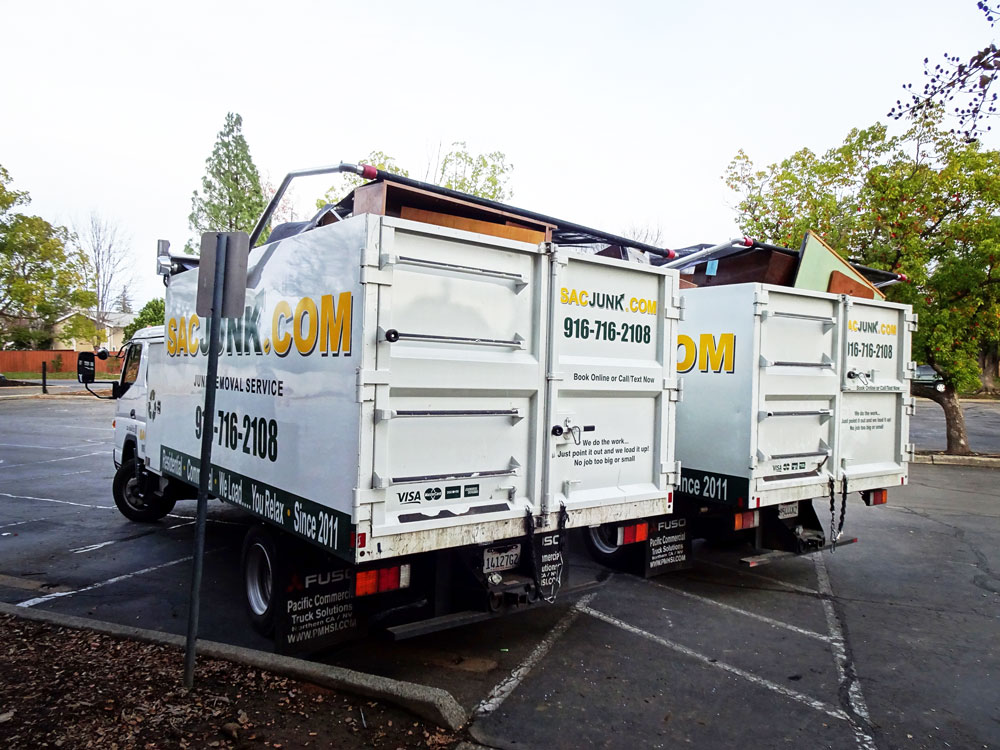
It also helps to choose a company that aims to donate and recycle when possible. Not every item belongs in a landfill, and responsible disposal is part of a good cleanup job. Sac Junk, for example, focuses on full-service hauling with upfront volume-based pricing and works to keep reusable material out of the dump when possible.
When to book property debris removal
The best time to book is earlier than most people think. If a property is heading toward turnover, renovation, listing, or inspection, debris removal should happen before the schedule gets tight. Waiting until the day before painters arrive or new tenants move in creates avoidable pressure.
Even if the job feels messy or hard to estimate, get it looked at. Crews that handle this work every day can usually size it up quickly and tell you what can be removed in one visit. That gives you a real timeline instead of a guess.
For larger cleanouts, it may make sense to remove debris in phases. One pickup clears the bulky junk. Another handles the final sweep after repairs or landscaping. It depends on the property, the access, and how the project is staged.
If you are looking at a pile of junk and already dreading the lifting, that is usually the sign. Good debris removal should take the burden off your plate, not add another job to your day. Get the space cleared, get the property moving again, and let the crew handle the mess.