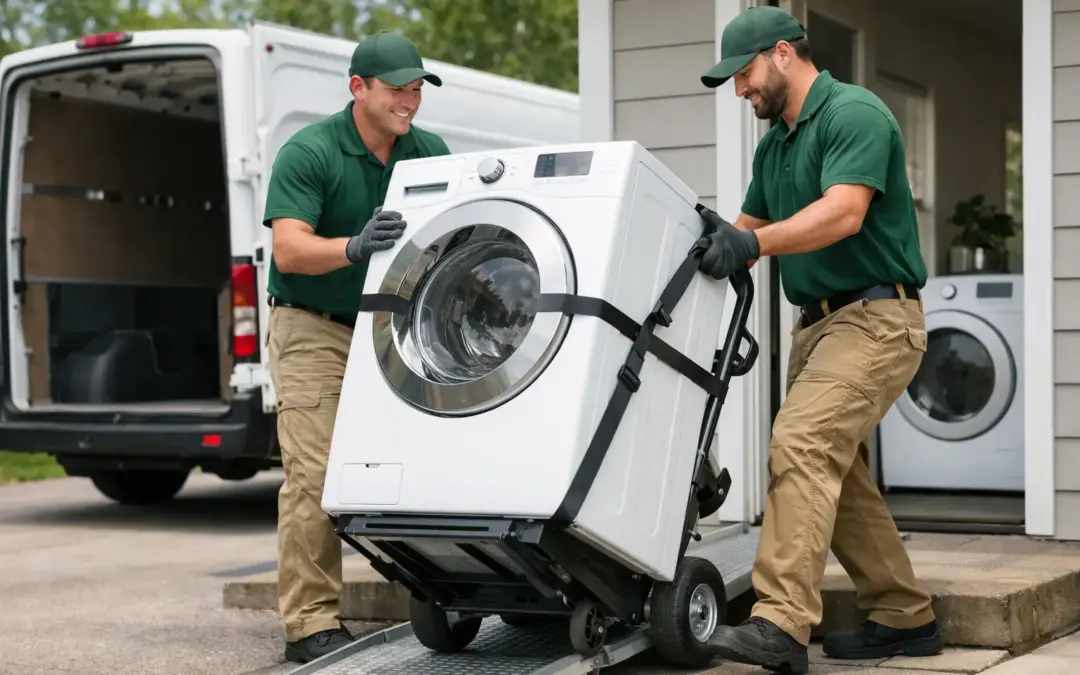
A broken washer can turn laundry day into a pile of wet towels. An old dryer can take up half a garage while you wait for someone with a truck, a dolly, and enough help to move it safely. Washer dryer haul away solves that problem without asking you to wrestle heavy appliances down a hallway, onto a curb, or into a pickup bed.
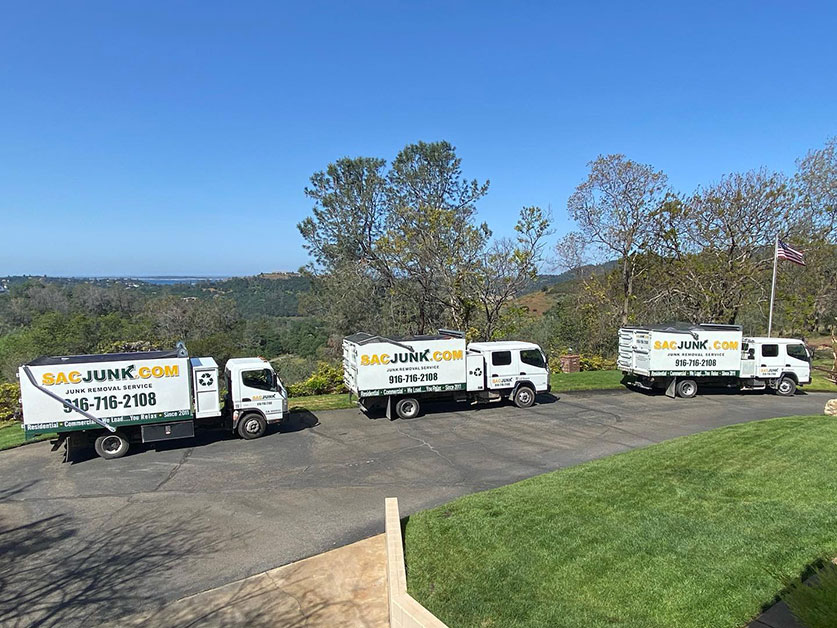
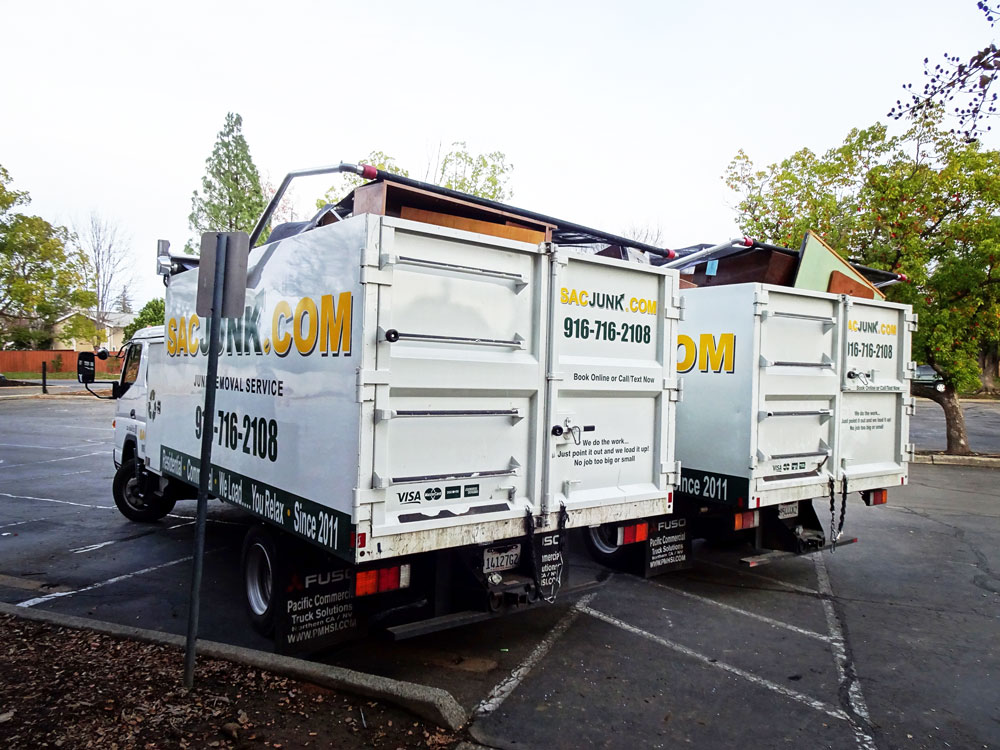
For Sacramento homeowners, renters, landlords, and property managers, the easiest answer is a full-service crew that does the lifting, loading, hauling, and cleanup. You point out the appliance, approve the price, and get your space back.
What washer dryer haul away includes
A proper appliance pickup is more than driving an old machine to a disposal site. Washers and dryers are bulky, awkward, and often located in the least convenient part of the property: upstairs laundry rooms, narrow closets, garages packed with storage, or rental units between tenants.
Full-service washer dryer haul away means the crew handles the physical work from start to finish. That typically includes removing the appliance from its current location, navigating stairs or tight access points, loading it onto the truck, hauling it away, and sweeping up the immediate area afterward. Labor is part of the service, so you do not need to recruit neighbors or rent equipment just to get one machine out the door.
This matters even more when both units need to go. A washer and dryer set can be heavy enough to create a real injury risk, especially if the machines have to be moved over thresholds, down stairs, or around tight corners. Saving a few dollars on a do-it-yourself move is not much of a win if it results in damaged walls, a strained back, or an appliance stuck halfway to the curb.
Before the crew arrives, disconnect the appliances
Hauling crews can remove the machines, but water, gas, and electrical connections need to be safely handled before pickup. The right preparation depends on what type of washer or dryer you have.
For a washing machine, shut off the hot and cold water supply valves and disconnect the hoses. Have a towel or shallow pan ready because water often remains in the lines. If the machine is still connected to a drain hose, remove it carefully and let any trapped water drain out before moving the unit.
For an electric dryer, unplug the power cord after the appliance has cooled. For a gas dryer, have a qualified professional disconnect and cap the gas line. Do not attempt gas disconnection if you are not trained to do it. The same goes for hardwired appliances or complicated stacked units that are secured in place.
Clear a path from the laundry area to the exit. Move baskets, shoes, furniture, and anything that could slow down the removal. You do not need to make the route perfect, but a clear walkway helps the crew work quickly and reduces the chance of bumps or scratches.
If you are replacing the appliances, confirm whether the delivery company will remove the old units. Some retailers offer removal with delivery, while others only take the old machine if it is already disconnected, accessible, and at ground level. If that service is not included, or the timing does not work for your move or remodel, a dedicated junk removal crew is usually the more flexible option.
Why curbside disposal is usually not the best plan
Dragging an old washer or dryer to the curb looks simple until you start planning the move. These appliances are not built to be carried easily. Washers are especially heavy because of their internal drums and counterweights, while dryers are bulky enough to be difficult to maneuver through doorways.
Curbside pickup can also come with rules. Your regular waste service may limit appliance collection days, require advance scheduling, charge an extra fee, or require the unit to be placed in a specific location. For landlords handling a turnover, waiting several days can delay cleaning, repairs, and the next tenant. For homeowners preparing to sell, that old dryer in the garage does not help a showing.
A full-service pickup is a better fit when time matters, access is difficult, or you have more than one item to remove. It is also useful if you are clearing a laundry room during a renovation and want the old machines, shelving, packaging, and other non-hazardous debris gone in one trip.
How appliance removal pricing works
Washer dryer haul away pricing generally depends on volume, labor, access, and the total amount being removed. A single dryer on a ground-level patio is a different job from a washer and dryer set in a second-floor apartment with narrow stairs.
The most straightforward approach is an on-site quote before work begins. The crew sees the appliances, checks the access, accounts for any additional items, and gives you a price to approve. That prevents the frustration of guessing at fees over the phone or finding out later that stairs, labor, or loading were not included.
When comparing removal options, ask what the quote covers. A fair quote should account for the labor to remove the units, loading, transportation, and proper disposal or recycling. Be clear about staircases, gates, elevators, long walkways, detached garages, and whether the appliances are disconnected. Those details help avoid surprises and allow the crew to bring the right equipment and staffing.
If you also have an old refrigerator, mattress, couch, boxes, or garage clutter, mention it when scheduling. Combining items into one pickup can be more practical than arranging separate trips, particularly when you are cleaning out a rental, handling an estate, or making room after a remodel.
Responsible disposal for old washers and dryers
Old appliances contain valuable materials that should not automatically go to a landfill. Steel, aluminum, copper wiring, and other components may be separated for recycling when the condition and local processing options allow. A working washer or dryer may also have reuse value, although age, condition, and demand determine whether donation is possible.
That does not mean every appliance can be donated. Machines with major mechanical failures, water damage, mold, missing parts, or unsafe electrical issues are often not suitable for reuse. The responsible route is to use a hauler that sorts materials and prioritizes recycling or donation where practical rather than treating every load as trash.
Sac Junk works to donate and recycle up to 60% of the materials it removes. For customers, that means clearing out an unusable appliance can still be a more responsible choice than leaving it behind, dumping it illegally, or trying to force it into a waste stream that does not accept it.
When to schedule washer dryer haul away
The best time to schedule pickup is before the old machines become an obstacle. Book removal when your replacement units are arriving, when a tenant has moved out, or when you are clearing space for a renovation. If the washer has leaked or the dryer has stopped heating, getting it out quickly also gives you room to inspect the floor, wall, vent, or connections for damage.
For property managers and landlords, appliance pickup can keep a unit on schedule between tenants. A crew can remove abandoned washers, dryers, furniture, bags of trash, and other non-hazardous items in one visit, reducing the number of vendors you need to coordinate. Contractors can use the same approach when old laundry equipment is part of a larger kitchen, bath, or utility-room demolition.
Same-day availability can be helpful, but it depends on the schedule and the size of the job. Calling early and sharing accurate details gives you the best chance of getting a fast appointment.
A simple way to get the laundry room back
You should not have to borrow a truck, risk an injury, or let a dead appliance occupy valuable space for weeks. Disconnect the unit safely, clear the route, and arrange a crew that provides an upfront quote and handles the heavy work.
Once the old washer and dryer are gone, use that cleared space for what you actually need: new appliances, a cleaner turnover, a finished remodel, or simply a garage that is usable again.