That old sectional in the garage or extra bedroom set in a rental can look like an easy donation – until the pickup crew cannot take it. A good furniture donation pickup guide starts with one rule: donation centers accept items they can safely resell or put directly to use. If furniture is damaged, heavily stained, infested, or unsafe, it may need responsible junk removal instead.
For Sacramento homeowners, landlords, and property managers, sorting that out before pickup saves time, avoids curbside pileups, and gets a property cleared faster. Here is how to prepare furniture for donation, what commonly gets declined, and what to do when a charity pickup is not the right fit.
Start With the Donation Standard
Donated furniture should be clean, structurally sound, and ready for another household without major repair. Think of it this way: if you would feel comfortable offering the piece to a friend, it is more likely to qualify. If it needs deep cleaning, new upholstery, replacement parts, or a trip to the dump, the organization may refuse it.
Condition matters as much as age. A solid wood dining table with a few light scratches can still be useful. A newer couch with pet odor, torn fabric, or a broken frame may not be. Charities have limited warehouse space and disposal costs of their own, so they generally cannot take furniture that creates more work than value.
Before scheduling anything, inspect each item in good light. Check sofas and mattresses for stains, odors, tears, pests, and sagging support. Open drawers, test recliners, and make sure table legs, bed frames, and shelves are stable. Remove personal items from drawers, storage benches, and couch cushions.
Furniture Most Donation Pickups Can Accept
Every organization sets its own rules, but clean, usable household furniture is the best candidate for donation pickup. Commonly accepted pieces include dressers, nightstands, dining tables, chairs, bookcases, coffee tables, desks, entertainment centers, and bed frames with all required parts.
Sofas, loveseats, armchairs, and patio furniture may also qualify when they are clean and in good working condition. A matching dining set is usually more appealing than a mix of damaged chairs. Complete bedroom sets can be useful, too, provided the frame is stable and hardware is included.
Photos help when a donation organization asks you to describe the item. Take clear pictures from several angles and show any wear honestly. Being upfront about condition is better than waiting until a driver arrives and declines the furniture at the curb or inside the home.
Mattresses and Upholstered Furniture Need Extra Care
Mattresses are among the most commonly rejected donation items. Many organizations will not accept them due to health, sanitation, and bed bug concerns, even when they appear clean. The same can apply to heavily upholstered furniture, especially if there are visible stains, strong odors, pet damage, or signs of pests.
Do not try to cover a problem with a blanket or slipcover. Pickup crews inspect items, and hiding damage can leave you scrambling after they leave. If an upholstered item is not donation-ready, arrange for it to be removed through a service equipped to haul it away responsibly.
How to Prepare for Furniture Donation Pickup
Once you confirm that your furniture is acceptable, make the pickup easy for both sides. Clean the piece, wipe out drawers, and remove loose debris. Disassemble only when the organization requests it or when it is necessary to move the item safely through a doorway. Keep screws, bolts, brackets, and assembly instructions in a labeled bag taped securely to the frame.
Measure large furniture and the route out of the home. A couch that fits through the front door may not fit around a tight hallway corner or down a second-floor stairwell. Let the pickup provider know about stairs, elevators, gated access, narrow driveways, or parking restrictions ahead of time.
Keep furniture indoors or under cover until the scheduled pickup whenever possible. Sacramento heat, rain, and overnight moisture can quickly turn a usable piece into a damaged one. Leaving a sofa on the curb too early also creates a neighborhood mess and increases the chance of weather damage, theft, or illegal dumping around it.
Have the items grouped near the exit if that is required, but do not block walkways or create a tripping hazard. Some donation services provide limited labor and may only collect from a garage, porch, driveway, or ground-floor location. Confirm the rules before moving heavy furniture yourself.
Ask These Questions Before You Book
A furniture donation pickup is not always full-service. Some charities offer pickup only for selected items, only within specific ZIP codes, or only on certain days. Others require you to carry furniture to the curb. That can be a dealbreaker for a landlord facing a move-out deadline or a homeowner who cannot safely lift a heavy dresser.
Before booking, confirm whether the organization accepts your exact item, whether it takes furniture from inside the home, and whether there is a minimum number of pieces. Ask about stairs, apartment access, and whether they will take items that are disassembled. It also helps to ask what happens if the crew determines an item is not acceptable when they arrive.
Timing is another trade-off. Donation pickup can be a good choice when your furniture is in excellent condition and you have flexibility. If you need a garage, apartment, office, or rental unit cleared today, waiting weeks for an available donation route may cost more in delays than it saves.
When Donation Is Not the Right Option
Donation is a great outcome for usable furniture, but it should not become an excuse to leave unwanted items sitting around. Broken particleboard furniture, wet or moldy pieces, heavily soiled sofas, damaged mattresses, and incomplete items are often not accepted. Neither are pieces with bed bug concerns or sharp exposed hardware that makes handling unsafe.
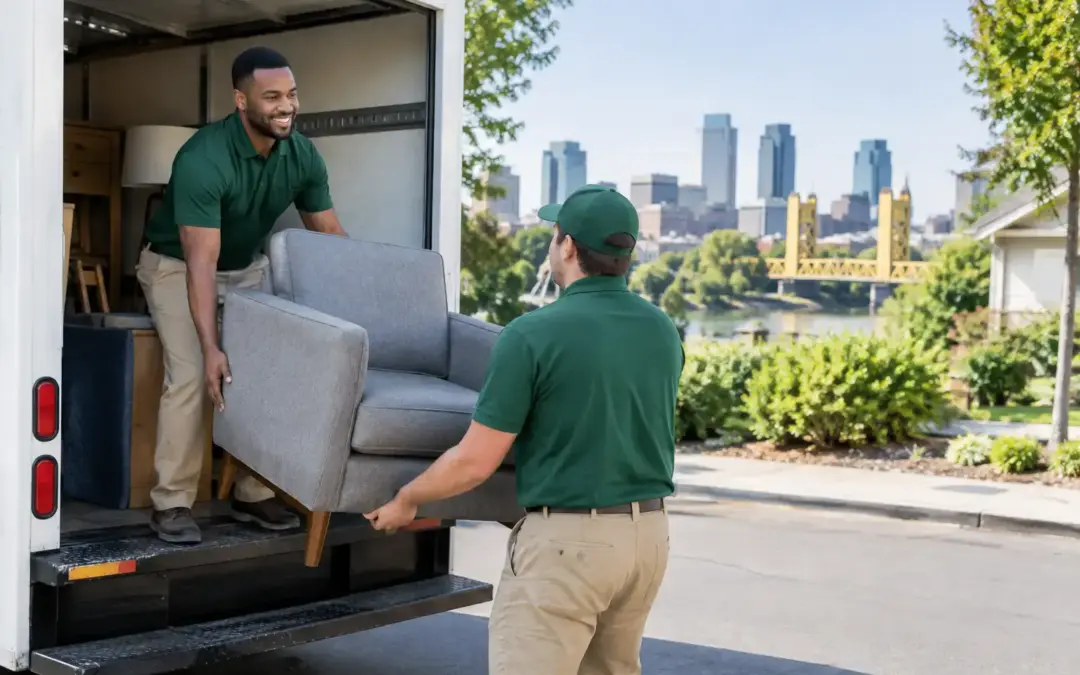
This is where a professional removal crew makes the job simple. Instead of hauling furniture to the curb, borrowing a truck, or trying to move a sleeper sofa down a stairwell, you can have the lifting, loading, hauling, and cleanup handled for you. A reliable crew can also separate items with donation or recycling potential from material that must be disposed of.
For a large cleanout, do not assume every item must follow the same path. A solid dresser may be ready for donation, old cardboard can be recycled, and a damaged couch may need disposal. Sorting by condition first gives you a more practical plan and helps keep reusable materials out of the landfill when possible.
A Better Plan for Move-Outs and Property Cleanouts
Furniture donation is easiest when you start before the final day of a move, lease turnover, estate cleanout, or renovation. Waiting until the last afternoon puts you at the mercy of pickup schedules and makes rejected items a bigger problem. Give yourself time to photograph usable pieces, confirm acceptance, and arrange a backup plan.
For landlords and property managers, document the condition of furniture left behind before deciding it is donateable. Tenant belongings can involve legal notice requirements, and abandoned furniture is not automatically yours to donate or remove. Follow the appropriate process first, then schedule pickup once the property is cleared for turnover.
Businesses should take a similar approach with desks, chairs, conference tables, cubicles, and shelving. If the furniture is clean and functional, donation may be worthwhile. If the priority is clearing an office or warehouse on a tight schedule, a full-service hauling crew is often the more dependable option.
Get the Heavy Lifting Off Your List
The best furniture donation pickup guide is not about forcing every item into a donation box. It is about making an honest call on condition, planning for pickup requirements, and choosing the fastest responsible solution for what remains.
When usable pieces are ready for a second life, donate them. When the furniture is damaged, too bulky to move, or rejected at pickup, Sac Junk can handle the heavy lifting, loading, and hauling across Sacramento so you can get the space back without turning cleanup into a weekend project.