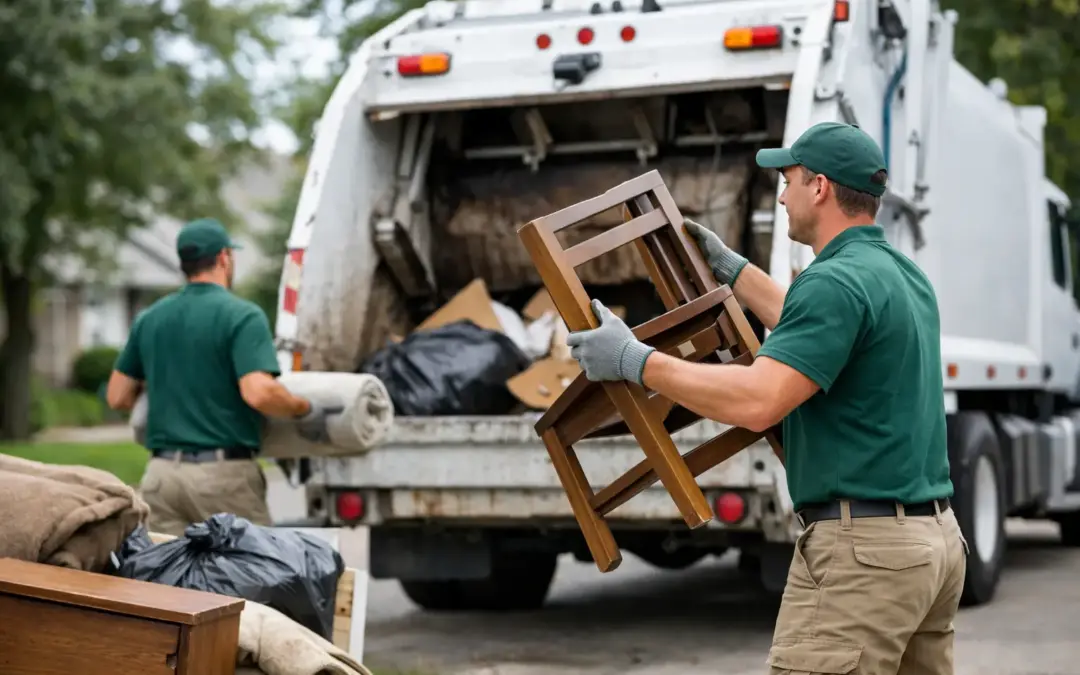
A full garage cleanout used to mean borrowed trucks, dump runs, and half a Saturday gone. A retail back room cleanup meant pulling employees off real work just to move broken shelving, pallets, and old fixtures. That is exactly why the future of bulk pickup is not just about hauling junk away. It is about making removal faster, easier, and more useful for people who do not have time to wrestle with heavy items or guess what goes where.
For homeowners, landlords, contractors, and business owners, bulk pickup is shifting from a basic disposal service to a logistics service. People still want the same result – clear space, less stress, fair pricing. But expectations are changing. They want tighter arrival windows, better communication, labor included, responsible disposal, and crews that can handle more than curbside piles.
What the future of bulk pickup looks like
The old model was simple. Put items out, wait for collection, hope everything gets taken, and deal with whatever gets left behind. That still works for some city-run programs, but it does not match how most customers actually need service today.
More jobs now involve mixed loads, tight schedules, and heavy lifting. A property manager may need old mattresses, damaged furniture, bagged trash, and loose debris removed after a move-out. A contractor may need job site cleanup without slowing down the next phase of work. A homeowner may need a spa, shed, or appliance gone without damaging the driveway or yard. Those jobs are not really about trash. They are about labor, timing, and execution.
That is where the market is heading. Bulk pickup is becoming more on-demand, more full-service, and more specialized. Instead of asking customers to sort, drag, stack, and stage everything, crews are expected to handle the lifting, loading, hauling, and basic cleanup in one visit.
Speed matters more than ever
Urgency is driving a lot of change. People do not want to wait a week to remove a pile that is blocking a garage, delaying a turnover, or making a property look neglected. The same goes for commercial spaces. A warehouse does not want obsolete inventory or broken equipment sitting around because pickup is stuck on a slow schedule.
The future of bulk pickup will favor companies that can move fast without turning service into chaos. That means same-day and next-day availability when possible, courtesy calls before arrival, and realistic appointment windows. It also means crews that show up ready to work, not ready to reschedule.
Speed, though, comes with trade-offs. Not every job can be handled instantly, especially large cleanouts, multi-unit properties, or sites with limited access. The companies that stand out will be the ones that communicate clearly about timing instead of overpromising and showing up late.
Full-service labor is becoming the standard
A big shift in this industry is that customers increasingly expect service beyond pickup. They are not looking for a truck alone. They want a crew.
That matters because bulk items are rarely sitting in one neat pile by the curb. They are upstairs in an apartment, behind an office suite, inside a cluttered garage, or spread across a backyard. Sometimes they need to be broken down. Sometimes they need to be carried through tight hallways. Sometimes there is cleanup after the load is gone.
This is one reason the future is moving away from bare-minimum collection models. Convenience is now part of the value. If a customer still has to do the hard part, the service feels incomplete.
For landlords and property managers, this matters even more. Turnover timelines are tight. Maintenance teams are already stretched. Paying for a labor-inclusive crew often makes more sense than assigning staff to wrestle with bulky junk and lose a full day doing it.
Better pricing will be more transparent
Customers are tired of vague pricing. They do not want a low teaser quote on the phone followed by a surprise bill once the truck is loaded. As the market gets more competitive, clearer pricing will keep winning.
Volume-based pricing, on-site quotes, and straightforward approvals fit where the industry is headed. People want to know what they are paying for and what affects the price. If access is difficult, if material is unusually dense, or if the load is larger than expected, that should be explained in plain English.
There is still an it depends factor in junk removal. A single couch is not priced like a packed garage. Concrete chunks are not handled the same way as old office furniture. But customers can accept variables when the process is honest. What they do not accept well is confusion.
Technology will help, but it will not replace the crew
Online booking, text confirmations, digital estimates, route optimization, and photo-based quoting are all becoming more common. These tools are useful because they cut down on delays and make scheduling easier. For many customers, being able to request service from a phone in a few minutes is now expected.
But technology is only helpful if the operation behind it is solid. A polished booking form does not mean much if the crew shows up unprepared. Bulk pickup is still a physical service. It depends on trained people, the right truck capacity, safe lifting, and good judgment on-site.
So yes, the future includes smarter scheduling and better dispatching. It also still includes hardworking crews who can assess a load, protect the property, and get the job done without turning the cleanup into another problem.
Sustainability is no longer a side issue
Customers ask more questions now about where items go after pickup. That is a good thing. A lot of bulk loads include materials that can be donated, recycled, or separated instead of dumped straight into a landfill.
The future of bulk pickup will belong to operators who build disposal responsibility into the job, not as a marketing extra, but as a normal part of how they work. Furniture, appliances, metal, cardboard, yard debris, and reusable household goods all have different end paths. The better a company is at sorting those streams, the less waste goes to landfill.
There is a practical side to this too. Responsible disposal takes time, labor, and local knowledge. It is not always the cheapest path in the short term. But for many customers, especially businesses and property managers, it matters that a hauler has a real plan for diversion and donation when possible.
Commercial and property management needs will shape the market
Residential pickup gets a lot of attention, but commercial demand is pushing the industry forward. Offices need cubicles, desks, and electronics cleared out during reconfigurations. Retail stores need fixture removal. Warehouses need old inventory, racking components, and debris hauled out fast. Apartment communities need recurring help with illegal dumping, move-out junk, and dumpster enclosure overflow.
These jobs require consistency more than anything. The customer is not looking for a one-time favor. They want a hauling partner that understands access rules, scheduling windows, and how to keep a property or business running while the junk gets removed.
In growing service areas like Sacramento and the surrounding communities, that demand is only getting stronger. More redevelopment, more tenant turnover, and more renovation work all mean more bulky material that has to move quickly.
Local service will keep an edge
As national operators and app-based models expand, local companies still have a real advantage. Bulk pickup is one of those services where local knowledge matters. Traffic patterns matter. Dump and recycling access matters. Neighborhood layouts matter. So does accountability.
A locally owned operator usually has more flexibility with scheduling, pricing, and problem-solving. That can make a real difference when a customer needs a fast pickup before a home sale, a city inspection, or a new tenant move-in. Bigger systems can offer scale, but they are not always better at handling unusual jobs or last-minute changes.
That is why the future will not belong to the biggest name alone. It will belong to the companies that combine reliable field work with modern convenience and fair rates. In Sacramento, that is exactly where companies like Sac Junk can stay competitive – by keeping service personal, responsive, and built around real local demand.
What customers should expect going forward
If you are hiring bulk pickup in the next few years, your standards should be higher than they were before. You should expect quick scheduling, clear communication, labor included, up-front pricing, and responsible disposal practices. You should also expect some honesty about scope. A crew should tell you if access, weight, or material type changes the job.
The best providers will not act like every load is the same. They will ask the right questions, show up prepared, and give you a straightforward path from cluttered to cleared.
Bulk pickup is getting smarter, faster, and more service-driven, but the basic reason people hire it has not changed. They need space back, and they need the burden off their shoulders. The companies that remember that will be the ones customers call first when the pile gets too big to ignore.