A retail space can go from open for business to packed with unwanted fixtures, boxes, displays, and debris in a matter of hours. Whether you are closing a location, moving to a new storefront, replacing old equipment, or taking over a former tenant space, a retail store cleanout service gets the heavy work off your plate so your next deadline does not slip.
For Sacramento business owners, landlords, property managers, and contractors, the goal is usually simple: clear the space quickly, leave it broom-clean, and avoid spending days coordinating labor, disposal, and truck rentals. A professional junk removal crew can handle the lifting, loading, hauling, and responsible disposal while you focus on the lease, buildout, inspections, or reopening plan.
When a Retail Store Cleanout Service Makes Sense
Retail cleanouts are not only for stores that have closed permanently. Many businesses need a fast cleanout during a remodel, after a seasonal reset, or when a tenant leaves behind more than a few bags of trash. Emptying a store takes more planning than a typical pickup because materials are often spread across the sales floor, stockroom, office, break area, and back loading zone.
A full-service crew is especially useful when the job includes bulky or awkward items that are difficult to move safely. This may include shelving, gondolas, display racks, counters, old point-of-sale stands, office furniture, cardboard, damaged inventory, pallets, broken fixtures, and leftover renovation debris.
It also makes sense when time is tight. If a landlord needs the unit ready to show, a contractor needs room to start demolition, or a retailer has a handover date approaching, hauling items one carload at a time is rarely a good use of anyone’s time. The right crew shows up ready to load, not just drop off a bin and leave the labor to you.
What Can Be Removed From a Retail Space?
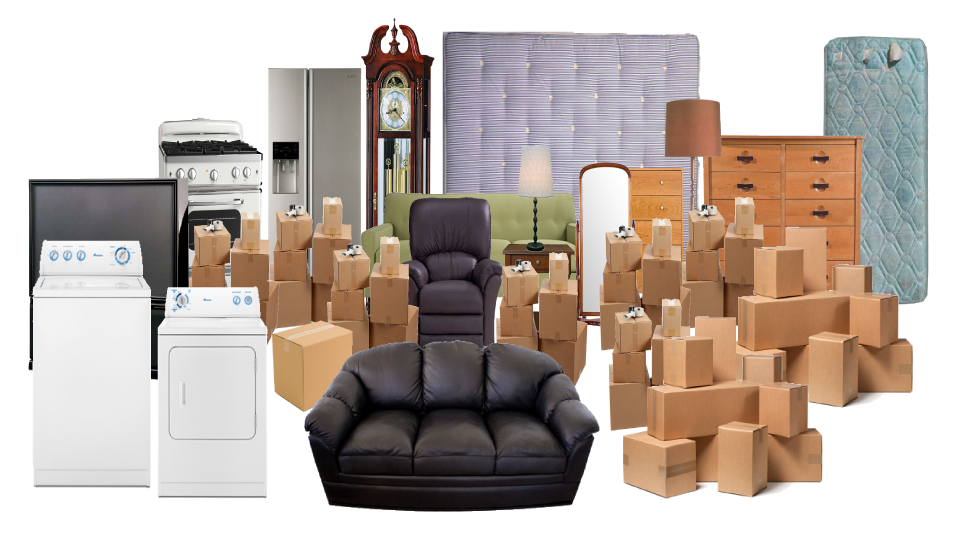
Every cleanout is different, but most non-hazardous retail junk can be removed in one visit or over a scheduled series of pickups for larger properties. Common items include retail fixtures, metal shelving, racks, mannequins, counters, filing cabinets, desks, chairs, breakroom furniture, small appliances, mattresses from specialty retail displays, bagged trash, cardboard, and loose debris.
Backrooms are often where cleanouts get complicated. Years of expired signage, damaged goods, shipping materials, old promotional displays, and abandoned equipment can pile up behind a closed door. A crew can clear these areas without requiring your staff to drag everything to the curb or loading dock first.
Some items require a separate disposal plan. Hazardous materials, chemicals, paint, fuels, propane tanks, medical waste, and certain electronics may not be accepted as part of a standard junk removal job. It is best to identify these materials before booking. A clear description of what is on-site helps avoid delays and lets the removal company explain what can be hauled and what needs specialized handling.
The Difference Between a Cleanout and Dumpster Rental
A dumpster can work for a long renovation where workers are already on-site and can load material as the project moves along. But a dumpster rental puts the loading, sorting, and cleanup on your team. You also need room for the container, a suitable placement area, and enough time to fill it before the rental period ends.
A retail store cleanout service is usually the better choice when you need labor included. The crew comes into the building, removes the items from where they sit, loads the truck, and clears the space afterward. That can be a major advantage for businesses with limited staff, upstairs suites, narrow back corridors, or strict property rules about where debris can be staged.
The cost structure is different, too. Dumpster rentals generally charge for the container, delivery, pickup, and disposal within a weight limit. Full-service junk removal is often priced by the volume your items take up in the truck, with labor and hauling included. Neither option is always cheaper. It depends on the amount of material, how heavy it is, how accessible the space is, and whether you have people available to do the loading.
How to Prepare for a Faster Store Cleanout
You do not need to sort every box or disassemble every fixture before the crew arrives. Still, a little preparation can make the job move faster and help protect your business records and valuable equipment.
Start by separating items that must stay from items that are going. Remove cash, personal belongings, documents with customer or employee information, keys, access cards, and any equipment you plan to reuse. If you are leaving shelving, counters, or built-in displays for an incoming tenant, mark them clearly and tell the crew before work starts.
If there are large amounts of usable merchandise, decide in advance whether it will be returned, donated, sold, or removed. Junk removal crews can haul unwanted materials, but they should not have to guess which boxes are business inventory and which are trash. Clear direction at the start saves time and prevents expensive mistakes.
Finally, make access easy where possible. Reserve a loading area, confirm elevator rules for multi-tenant buildings, provide gate codes, and alert property management if the crew will need to use a service entrance. These details matter, particularly at busy shopping centers and downtown commercial properties where loading access is limited.
What a Professional Cleanout Process Looks Like
A reliable cleanout should not be complicated. You schedule the service, explain the size and type of job, and receive a courtesy call before the crew arrives. Once on-site, the crew reviews the material, checks access conditions, and provides an upfront quote before loading begins.
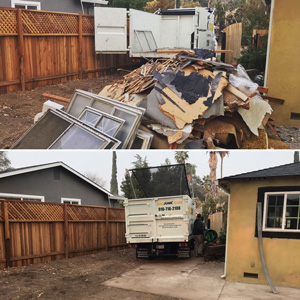
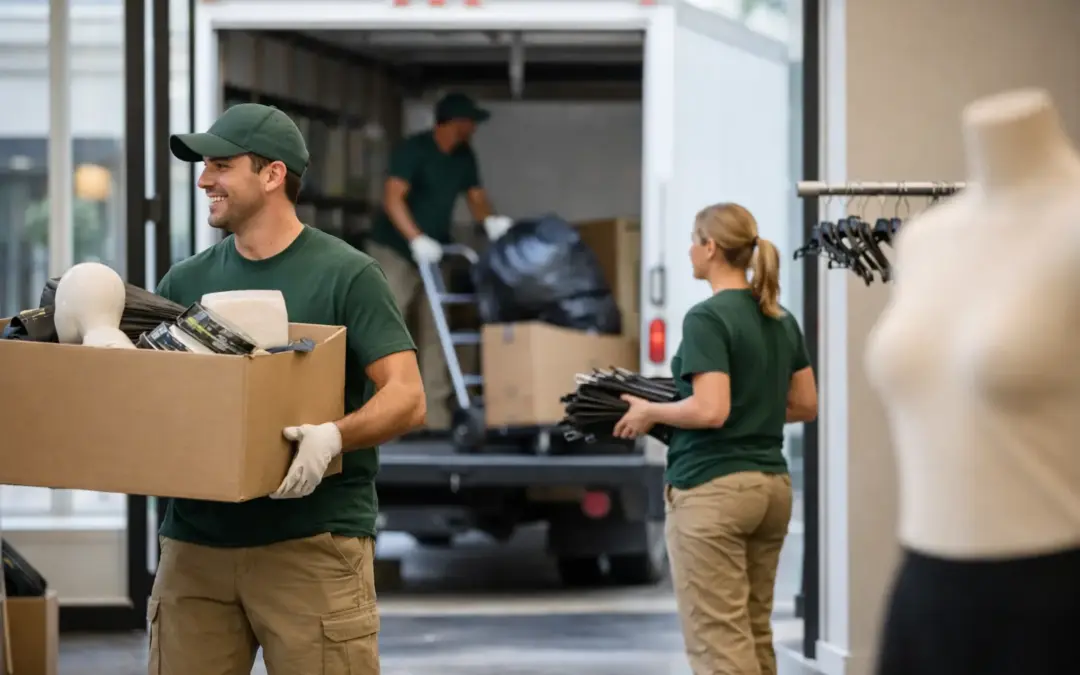
After you approve the price, the crew handles the physical work. That means lifting furniture, breaking down manageable loose items when needed, loading the truck, sweeping up the immediate work area, and hauling everything away. You should not have to provide a truck, recruit staff, or spend the afternoon at a transfer station.
For larger retail closures, a walkthrough before the scheduled service can be worthwhile. It gives the removal team a better picture of fixture volume, stairs, loading dock access, and whether multiple truck loads may be needed. It also lets you schedule the cleanout around contractors, mall hours, or final inspections.
Pricing Should Be Clear Before the Work Starts
Retail spaces can contain a surprising amount of material, so vague estimates are not helpful. Ask how pricing is determined and make sure the quote accounts for the actual volume, labor, and access involved. Truck-volume pricing is straightforward for many jobs because you pay for the space your items use, not for an arbitrary number of pieces.
Be upfront about heavy items, large displays, unusually long carry distances, and items located upstairs or in basements. Those conditions may affect the price or the crew size needed. The right provider explains this before work begins rather than adding unclear charges after the truck is loaded.
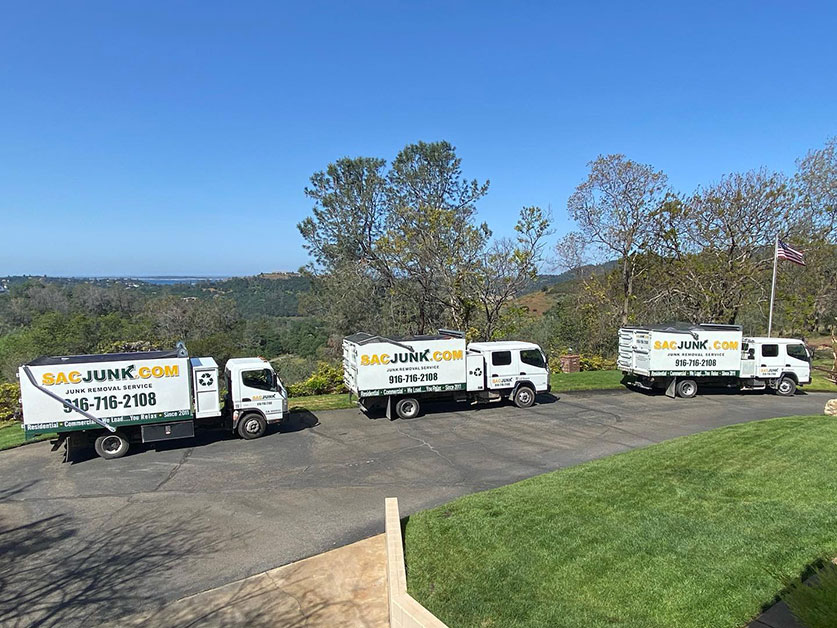
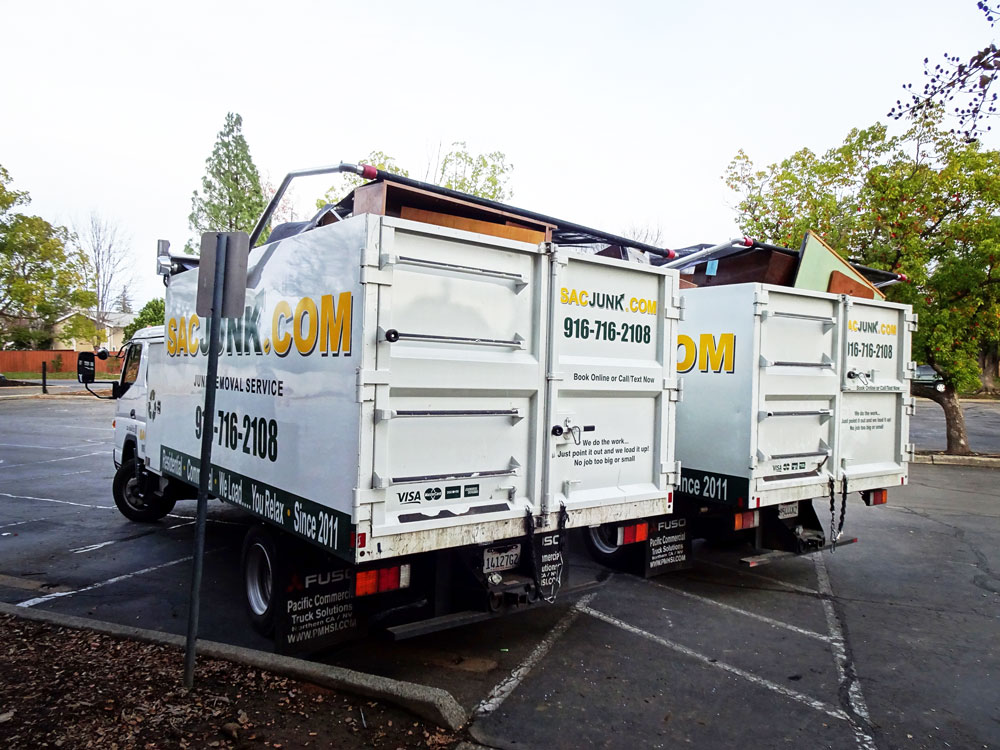
For Sacramento-area businesses, Sac Junk offers full-service hauling with upfront on-site quotes and labor included. The crew does the lifting and loading, then works to donate and recycle usable materials whenever possible, keeping up to 60% of removed material out of the landfill.
Keep the Turnover Moving
A cleared storefront creates options. It allows contractors to start on time, helps property managers market a vacant unit, and gives business owners a clean break from the location they are leaving. More importantly, it removes a task that can quietly eat up days when there are already leases, employees, vendors, and deadlines to manage.
Before your next turnover date gets too close, take a quick walk through the sales floor, backroom, office, and loading area. If the unwanted items are more than your team can safely move in a day, schedule the help and let a hauling crew handle the hard part.