That old sectional in the garage, the broken refrigerator on the patio, and the boxes left after a tenant moves out all create the same question: what does junk removal include? With a full-service crew, it means more than a truck showing up. The crew does the lifting, loading, hauling, and basic cleanup so you can get your space back without renting a dumpster or making multiple trips to the dump.
For homeowners, landlords, contractors, and businesses around Sacramento, junk removal is built for jobs that are too heavy, too time-consuming, or too inconvenient to handle alone. Here is what you can generally expect from a professional pickup and where the limits usually apply.
What Does Junk Removal Include With Full-Service Pickup?
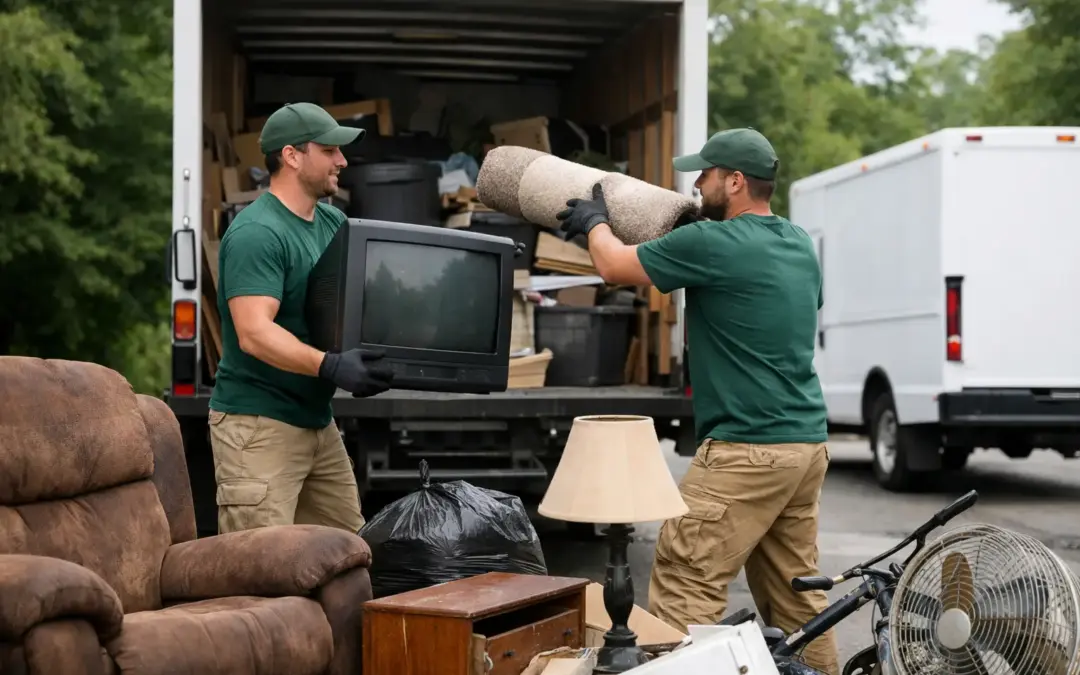
Full-service junk removal starts where most people would rather stop: at the lifting. You point out the items you want gone, approve the price, and the crew takes care of the physical work. That can include carrying items from a garage, backyard, upstairs bedroom, office suite, storage room, warehouse, or curbside area.
A standard service typically includes labor, loading, transportation, disposal, and a sweep-up of the immediate area after the truck is loaded. You do not need to drag a couch to the curb, break down a pile of debris, or figure out which local facility accepts each item. The crew handles the removal process from start to finish.
Pricing is commonly based on how much truck space your items use, not on an hourly meter running while a crew works. That gives you a chance to see and approve an on-site quote before anything is loaded. If the price does not work for you, you can decline the service before the job begins.
Labor and Heavy Lifting
This is the part that saves customers the most time and strain. A removal crew can handle bulky, awkward, and dirty items that are hard to move safely with a personal vehicle. That includes navigating stairs, tight hallways, elevators, gates, and backyard access when conditions allow.
Labor-inclusive service is especially useful for landlords clearing a unit between tenants, families managing an estate cleanout, and contractors who need debris removed from a job site. Instead of gathering friends, renting a truck, and spending a Saturday at disposal facilities, you can have a trained crew clear the load in one visit.
Loading, Hauling, and Site Cleanup
Once the crew has your approval, they load the items onto the truck and haul them away. The goal is to leave the area clear, not to leave you with a pile of loose debris where the furniture used to be. Basic cleanup generally means sweeping up small leftover material in the pickup area.
It does not mean deep cleaning, pressure washing, demolition, or repairing damage behind removed items. If you need those services, ask before booking so the job can be evaluated correctly. Clear expectations make the pickup faster and help avoid surprises on arrival.
Items Junk Removal Commonly Takes
Most non-hazardous household, commercial, and outdoor clutter can be removed in a single pickup. The exact load can vary by local disposal rules, condition of the material, and truck capacity, but common items include:
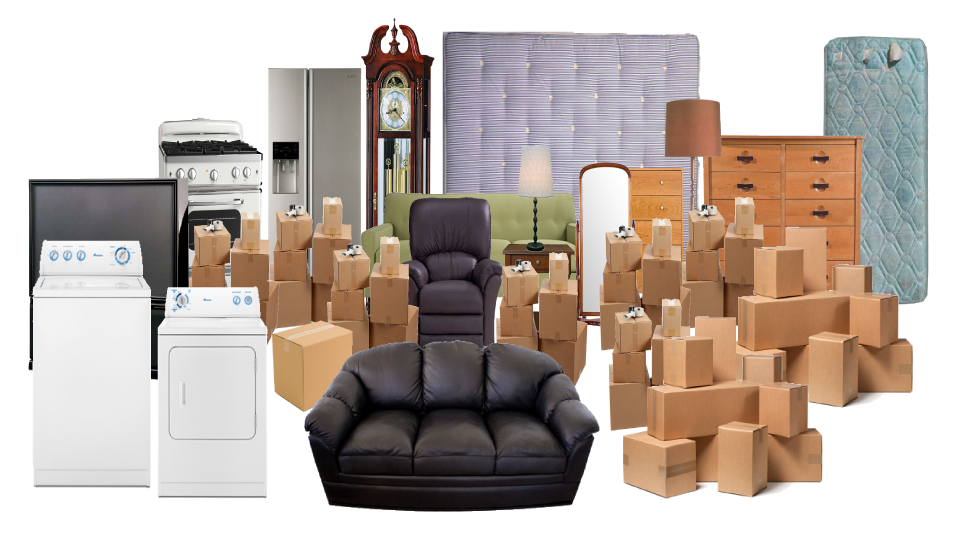
- Furniture such as sofas, recliners, tables, desks, dressers, bookcases, and patio sets
- Appliances including refrigerators, washers, dryers, stoves, dishwashers, and microwaves
- Mattresses, box springs, bed frames, and bedroom furniture
- Electronics, televisions, computers, printers, and office equipment
- Yard waste such as branches, brush, leaves, bagged green waste, and old fencing
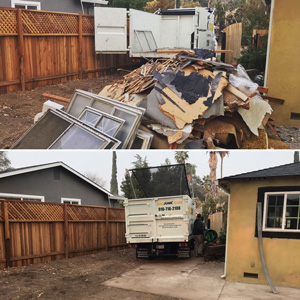
- Construction and renovation debris, including wood, drywall, tile, carpet, cabinets, and fixtures
- Garage clutter, storage-room contents, and household odds and ends
- Commercial materials such as cubicles, office furniture, warehouse debris, retail fixtures, and dumpster enclosure overflow
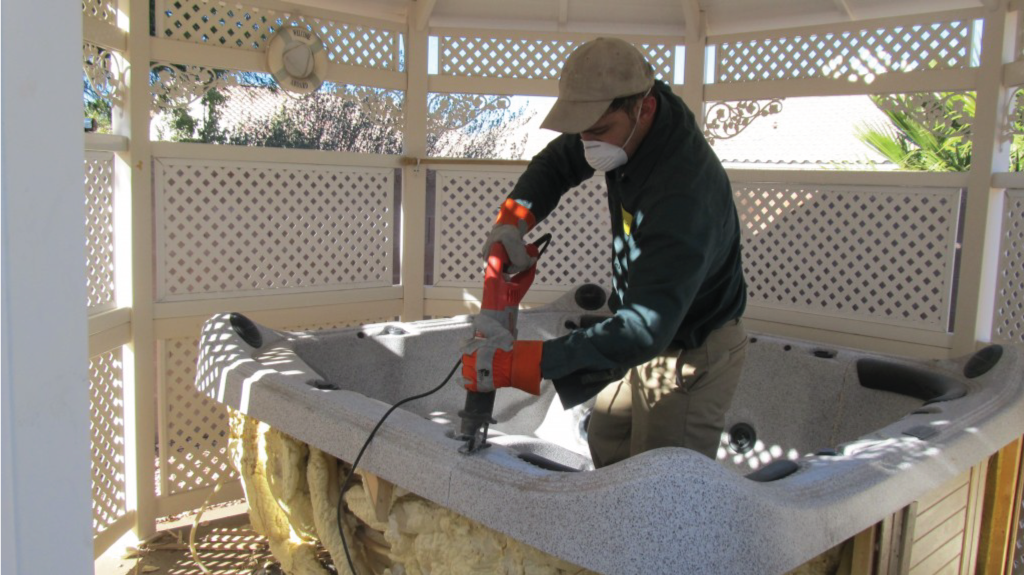
Large, specialized items may also be part of the job. Old sheds, hot tubs, swing sets, and cubicle systems can often be removed, though they may require disassembly or a larger crew. A clear description of the item, along with photos when requested, helps the company send the right equipment and price the work accurately.
What Junk Removal Usually Does Not Include
Junk removal is designed for non-hazardous material. That distinction matters because certain items need specialized handling and cannot legally or safely go into a standard junk truck.
Hazardous waste is the biggest exclusion. This can include paint, solvents, gasoline, propane tanks, pesticides, chemicals, asbestos-containing material, medical waste, and other regulated substances. Car batteries, tires, and some large quantities of electronic waste may also have separate disposal requirements. Never hide these items in a pile. Tell the crew about them before the appointment so you can get the right disposal direction.
Food waste, loose animal waste, and active infestations can also change what a crew can remove. Homeless camp cleanup, severe hoarding situations, and biohazard conditions may require special procedures, protective equipment, or a different type of provider. The best approach is to explain the condition of the site honestly when you call.
There are also practical limits. A crew may not be able to remove an item that is structurally built into a property without prior demolition planning. For example, a hot tub on a deck, a shed attached to a fence line, or cabinets secured to walls may need preparation before hauling begins.
How the Pickup Process Works
The process should be simple because the problem already is not. First, book by phone or online and describe what needs to go. If the job is large, unusual, or located in a difficult access area, provide as much detail as possible.
Before arrival, you should receive a courtesy call so you are not stuck waiting all day. When the crew arrives, walk them through the items and point out anything that is staying. They will assess the volume, labor, and disposal needs, then provide an upfront quote.
After you approve the quote, the crew gets to work. You do not need to be involved in loading unless you want to be. When the truck is loaded, they perform a basic sweep-up and take the material away for sorting, donation, recycling, and disposal.
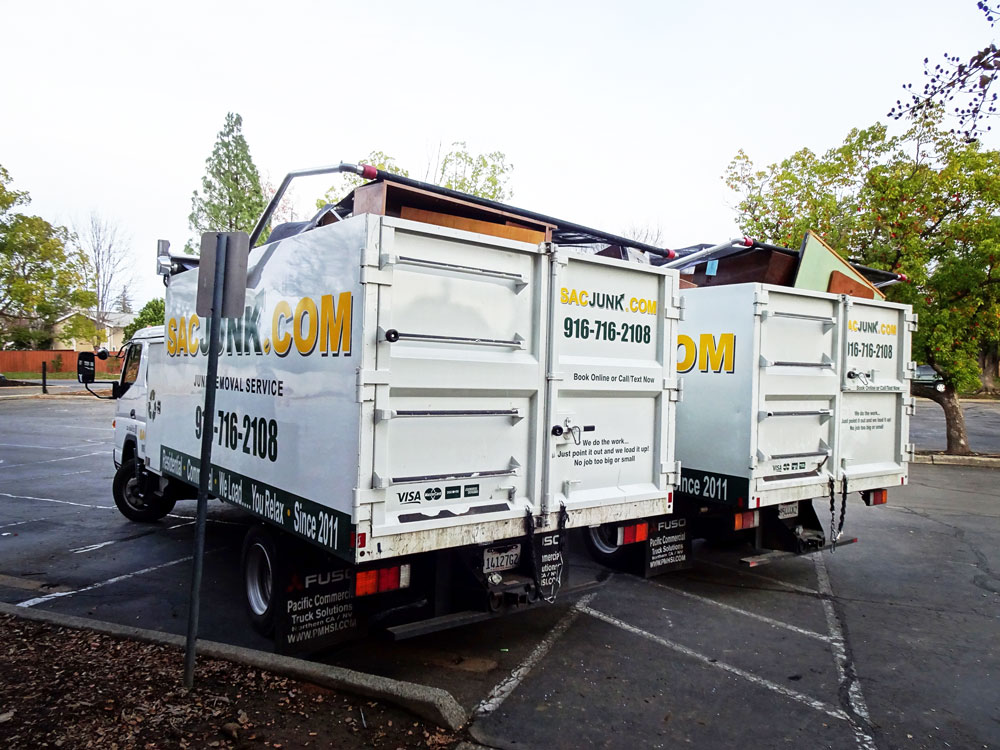
Sac Junk keeps this process local and straightforward for Sacramento-area customers, including property managers and businesses that need a crew to show up, clear the space, and keep the job moving.
Donation and Recycling Are Part of the Bigger Picture
Not every item in a junk load belongs in a landfill. Usable furniture, household goods, metal, cardboard, electronics, and other recyclable materials may be separated when conditions and local facilities allow. This is one reason professional hauling can be a better option than tossing everything into a mixed dumpster.
That said, donation is never guaranteed. A couch with major damage, a broken appliance, or water-soaked materials may not be accepted by a donation center. Recycling also depends on the item type and its condition. A responsible hauler sorts what it can, but customers should understand that some material still has to be disposed of.
When Junk Removal Makes More Sense Than a Dumpster
A dumpster can work well for an extended remodeling project where you are generating debris over several days. But it puts the labor, loading, and sorting on you. You also need a place to set the container, and you may need to deal with permits or driveway concerns.
Junk removal is usually the better fit when you want the job finished quickly, have large household items, or do not want to lift anything. It is also practical for rental turnovers, office cleanouts, post-move clutter, and single-day projects where you want a crew to remove everything at once.
The key is to match the service to the job. If you have a few bags and can transport them safely, a local disposal site may be enough. If you have a packed garage, heavy furniture, an appliance, or a property deadline, full-service removal can save serious time and effort.
Before booking, make a quick pass through the area and separate anything you want to keep. Put aside personal documents, valuables, keys, and items that may have been accidentally mixed into the clutter. Then let the crew handle the rest – because getting rid of junk should feel like clearing a problem, not starting another one.